Raising a bilingual reader takes effort. Some nights, you may question whether the second language is even worth the work.
It's worth it.
We could give you twenty reasons, but ten will do.
1. A Stronger, More Adaptable Brain
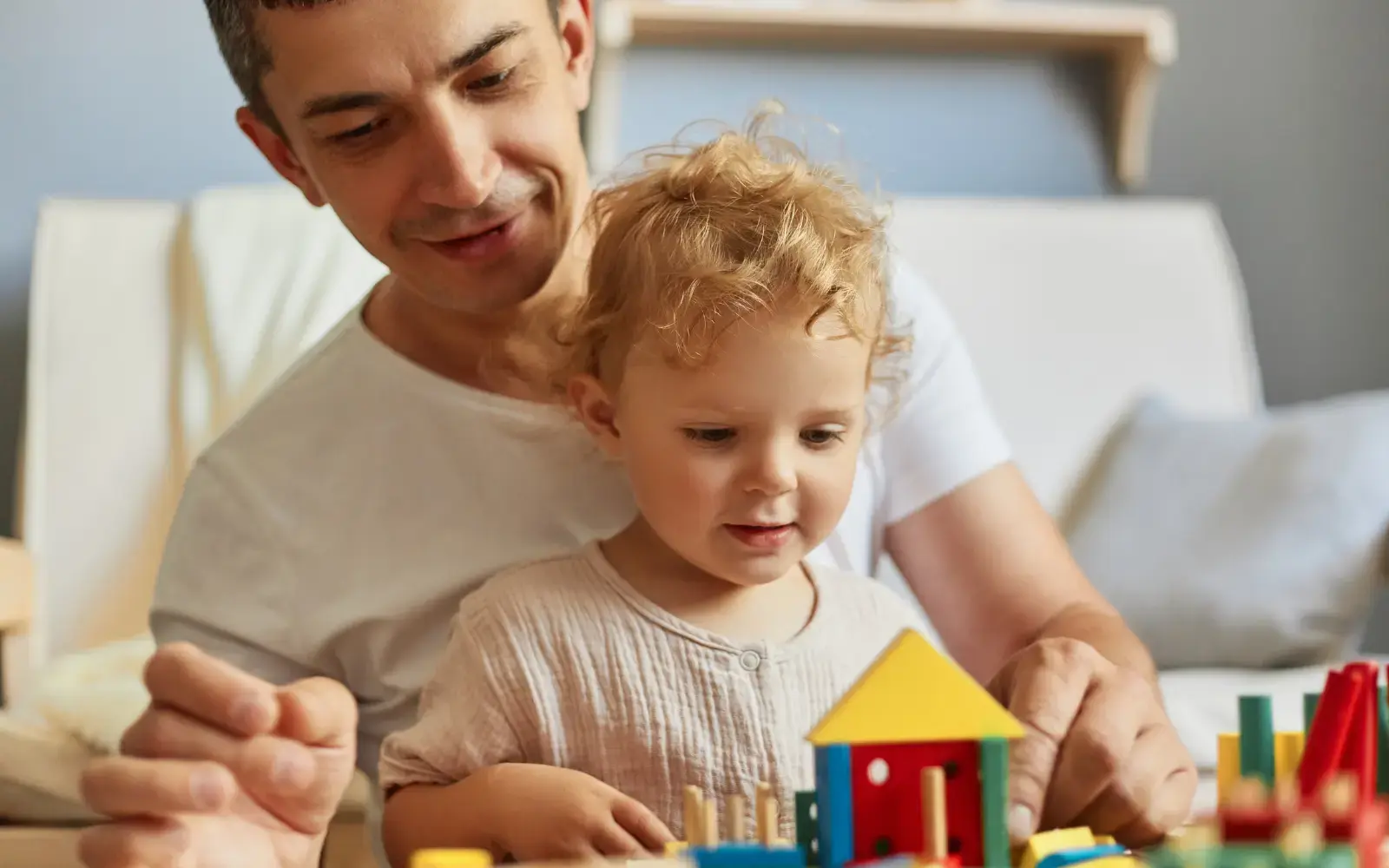
Children who grow up reading in two languages develop richer connections in the parts of the brain responsible for attention, memory, and switching between tasks. The benefits aren't reserved for fluent speakers — even partial bilingual exposure leaves measurable traces. Your child isn't learning a second language. They're building a different kind of brain.
Did you know?
Children between 0 and 3 are uniquely well-suited to learn a second language with ease. This is because their brains are in their most flexible stage.1
2. Deeper Connections With More People
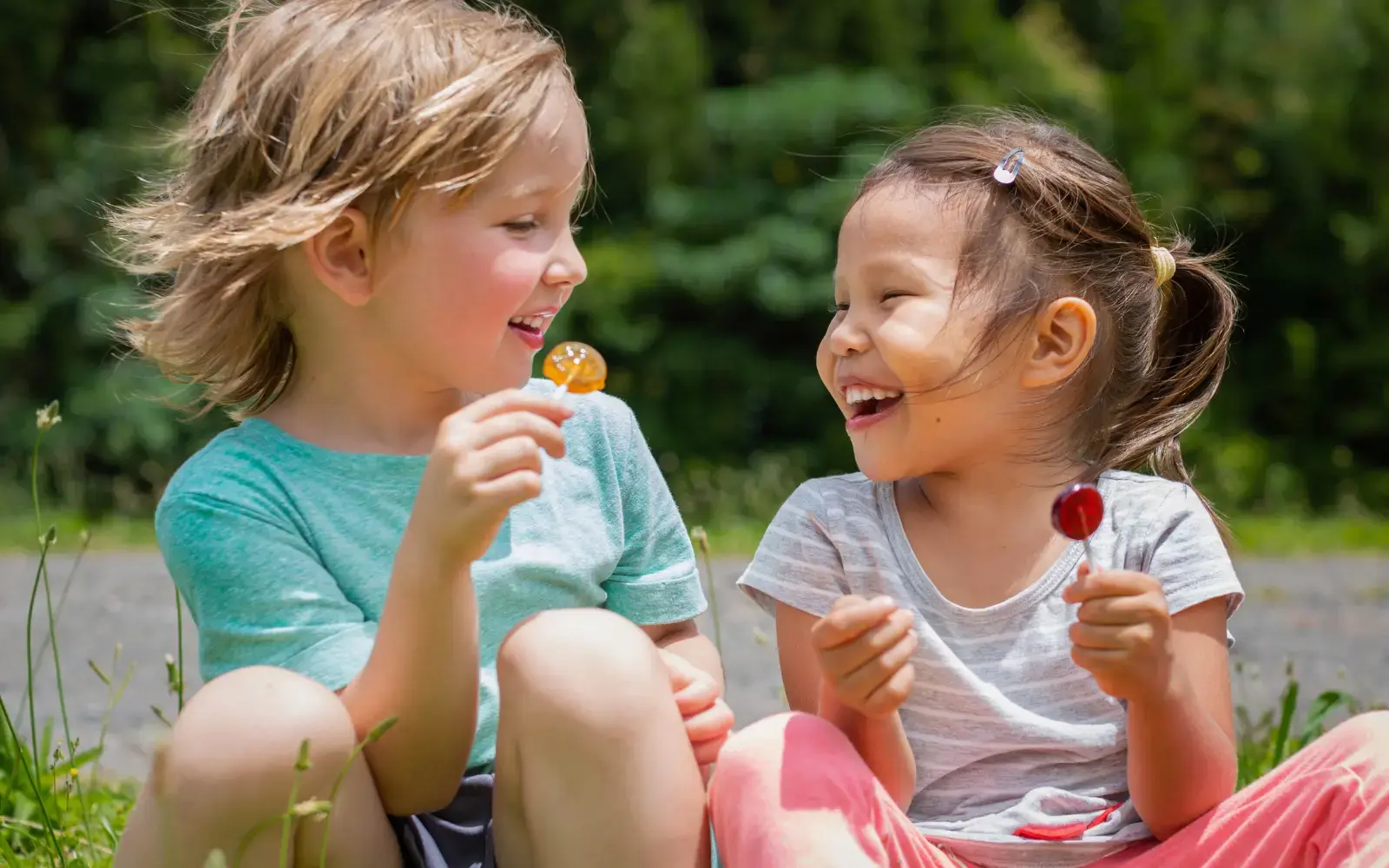
Biliteracy doesn't just open conversations — it opens relationships. Children who read confidently in two languages move through the world able to connect with people their monolingual peers can't. The classmate who speaks Spanish at home. The teammate whose parents grew up in Colombia. The friend they'll meet at college, the colleague they'll meet at work, the partner they'll meet someday whose family they'll be able to know completely. Two languages doubles the people your child can be close to — across a whole life.
3. A Lasting Academic Edge
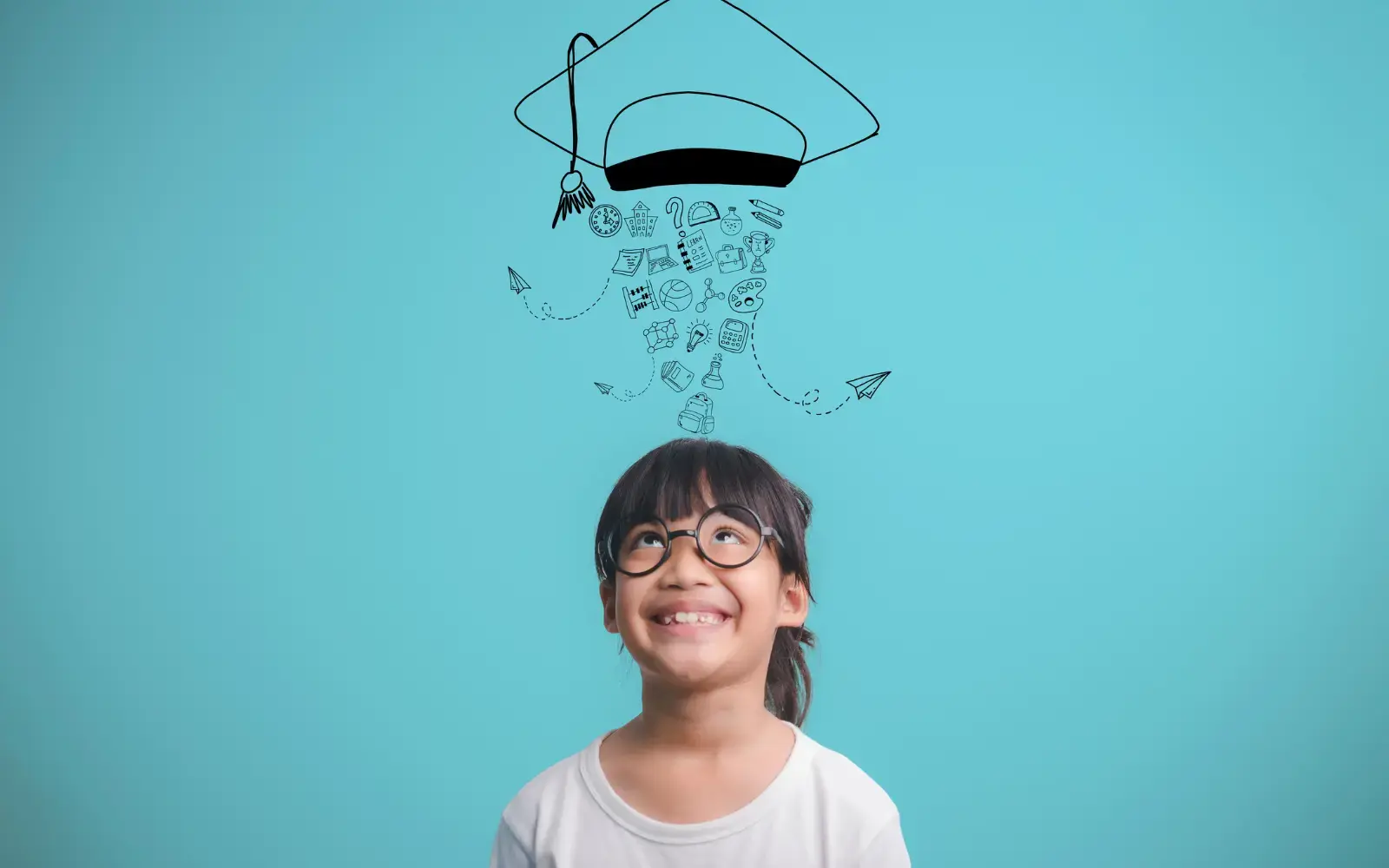
Children who read in two languages tend to perform better in school — across ALL subjects, not just language arts. Reading comprehension, working memory, and the kind of flexible thinking that schools reward all develop differently in biliterate kids. The advantage shows up early and tends to compound.
Did you know?
Students who study foreign languages perform measurably better on standardized test like the ACT and the SAT verbal section.2
4. A Lifelong Career Edge
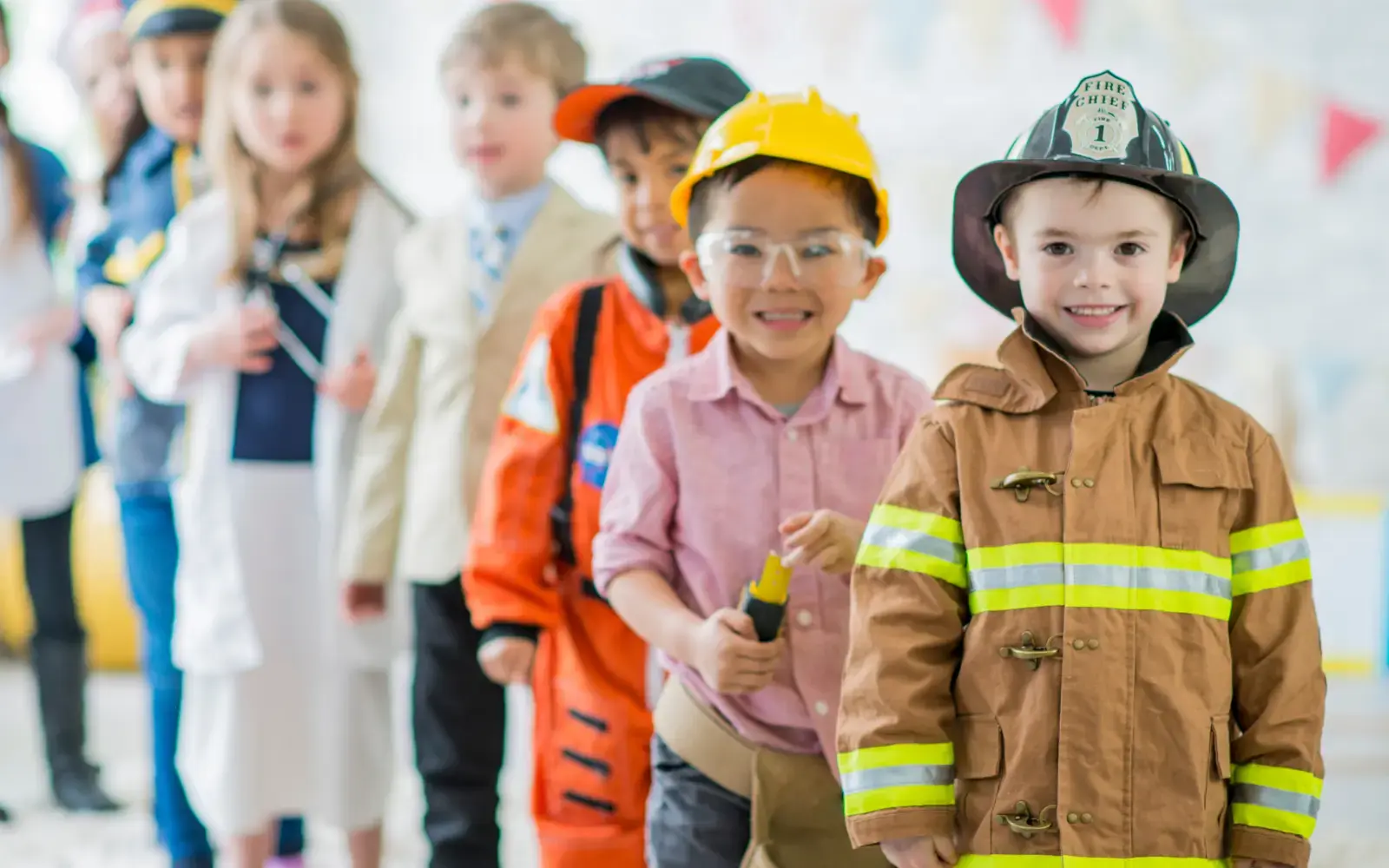
Bilingual professionals earn more, advance faster, and have access to opportunities monolingual peers don't. Healthcare, education, business, diplomacy, technology — every field that touches multiple communities is hungry for people who can communicate across them. Spanish, in particular, is the second-most-spoken language in the United States. The child who reads it now is becoming the adult who's harder to replace later.
5. Stronger Ties to Family

Some children grow up with a abuela who never quite shifted into English. Some have a tía who only leaves voicemails in Spanish. Some have a primo across a border whose voice notes they'd love to be able to answer. Biliteracy is one of the most reliable ways to keep these threads from breaking — the grandmother who can hear her grandchild read, the cousin you can write to, the traditions that don't fade because nobody could carry them across.
Did you know?
Roughly 1 in 3 children under age 8 in the United States have at least one parent who speaks a language other than English at home.
6. A More Inclusive Worldview
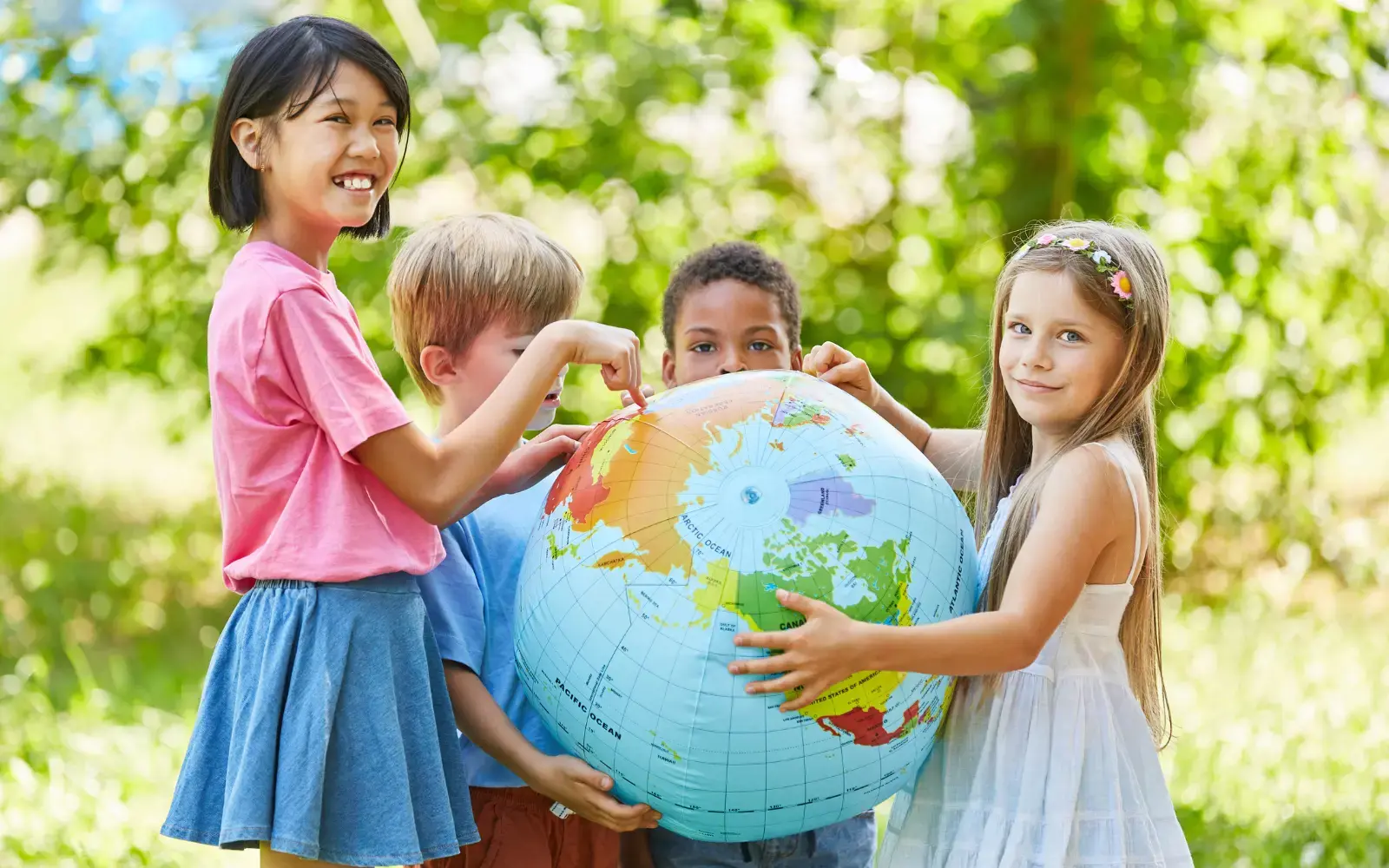
There's something about reading in two languages that loosens the grip of a single point of view. Your child grows up knowing that there's more than one word for the same thing, more than one way to tell a story, more than one set of names for the people in their life. That early flexibility tends to stick. Biliterate kids grow up curious about how other people live — and a little less surprised when they discover it.
7. Lasting Brain Health
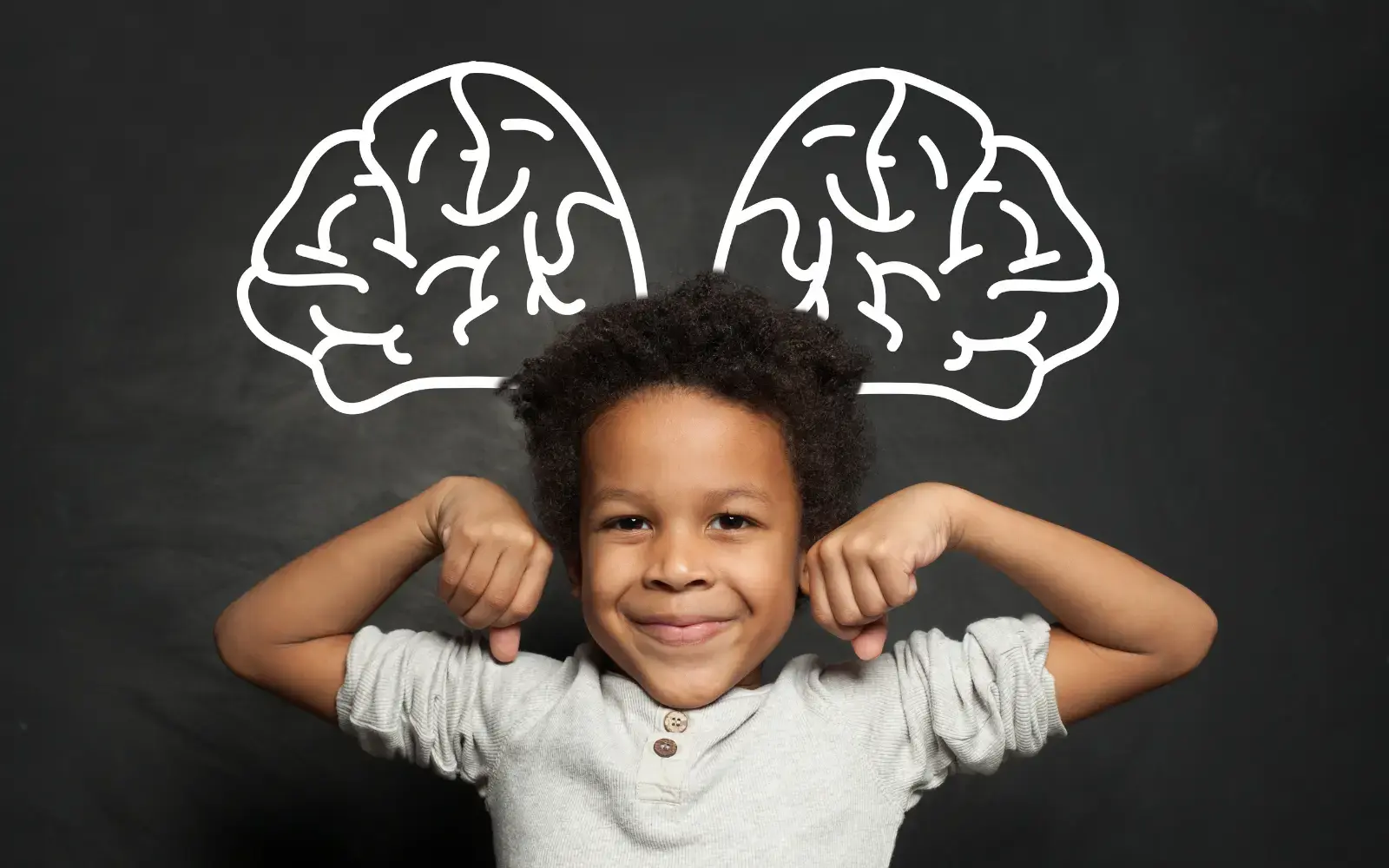
Holding two languages active — choosing the right word, switching between systems — works the brain like exercise. Bilingual adults show stronger cognitive reserve later in life, and some studies link lifelong bilingualism to a meaningful delay in age-related cognitive decline. The Spanish you read your child tonight may be doing work that pays out seventy years from now.
Did you know?
Brain scans of people who learned a second language before age five show greater density of gray matter in the regions tied to language processing.
8. More Places to Call Home

Biliterate children become adults who can study abroad without it being a stretch, take jobs in two countries without flinching, build relationships across borders that monolingual peers can't quite follow them into. They aren't bound by the geography of one language. They have more places they could plausibly call home.
9. Deeper Empathy for Others
Reading stories in two languages means inhabiting two emotional worlds — two ways of describing sadness, two ways of expressing joy, two registers of love. Children who do this from early on develop a quieter, more durable form of empathy. They've practiced imagining other people's lives more than once.
10. A Love of Learning That Lasts
The child who learns to read in two languages doesn't usually stop there. They become the teenager who studies a third for fun, the college student who takes the harder linguistics class, the adult who learns Italian before a trip to Rome because why wouldn't they. Biliteracy doesn't just give them two languages. It gives them the disposition that says: I can learn another one.
--
Raising a bilingual reader is one of the longest investments you'll ever make. The payoff stretches across decades — across your child's grades, their friendships, their family, their career, their adult brain, their old age.
It also starts tonight. With one book.
EXPLORE BOOK BOXES
Plans start at $17.98
1. [Advantages of a bilingual brain]↩
2. [Key Points about the Benefits of Foreign Language Learning To Include in Letters to Legislators]↩
3. [Dual Language Learners: A National Demographic and Policy Profile]↩
4. [Bilingual and Monolingual Brains Compared: A Functional Magnetic Resonance Imaging Investigation of Syntactic Processing and a Possible “Neural Signature” of Bilingualism]↩

Get libros your child will ask for again & again.
Cancel anytime. We'll swap any book you already own.