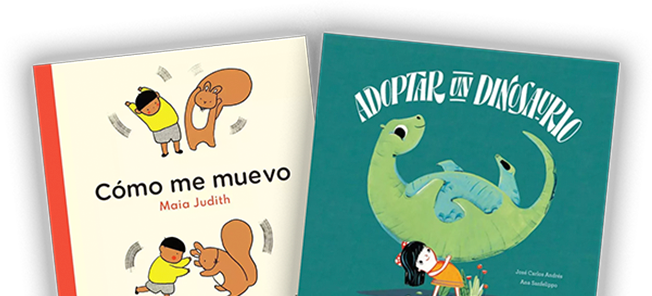
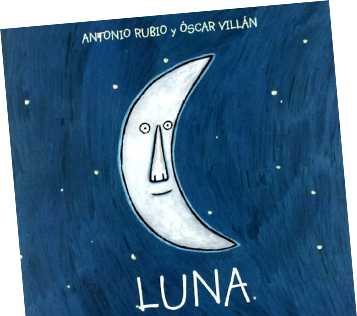
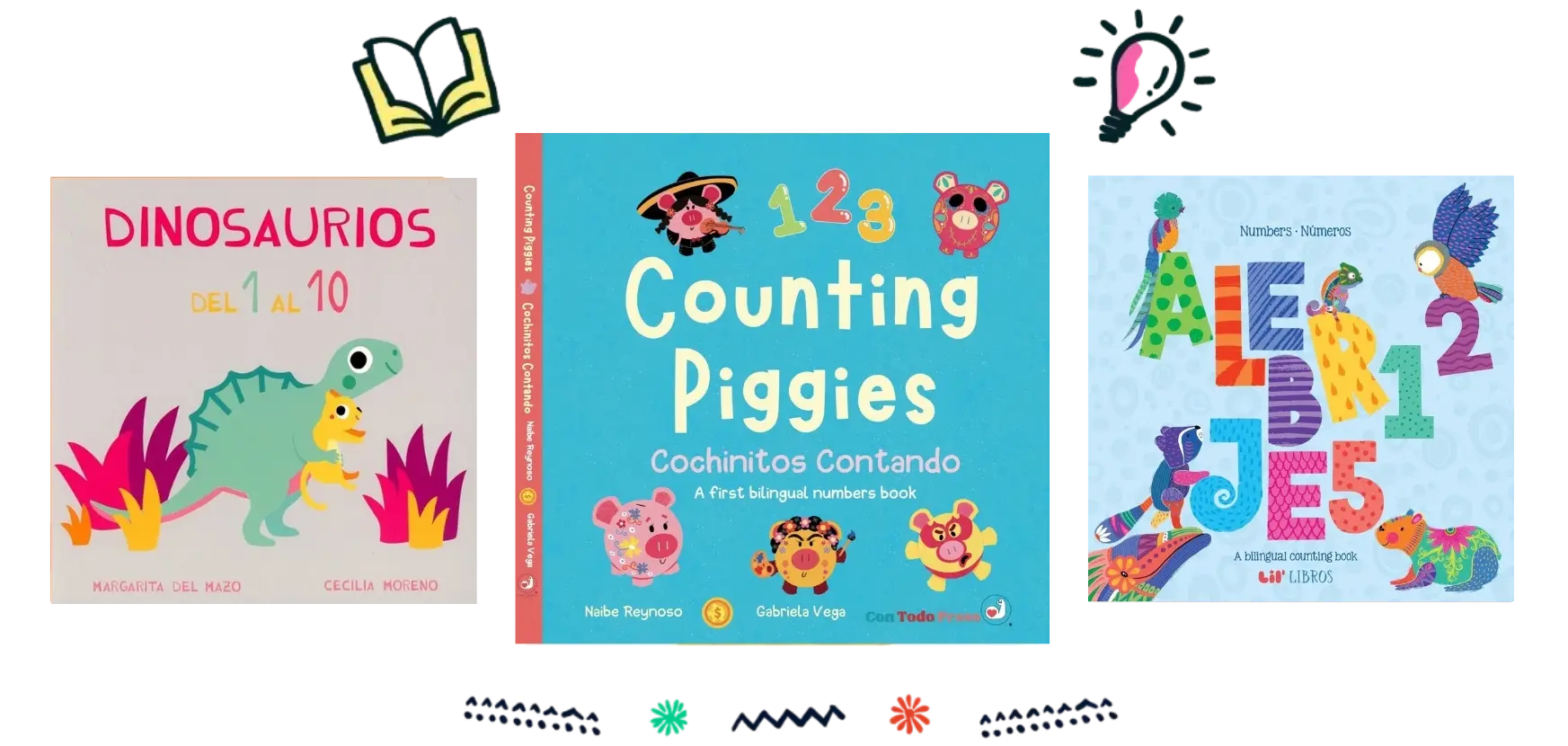
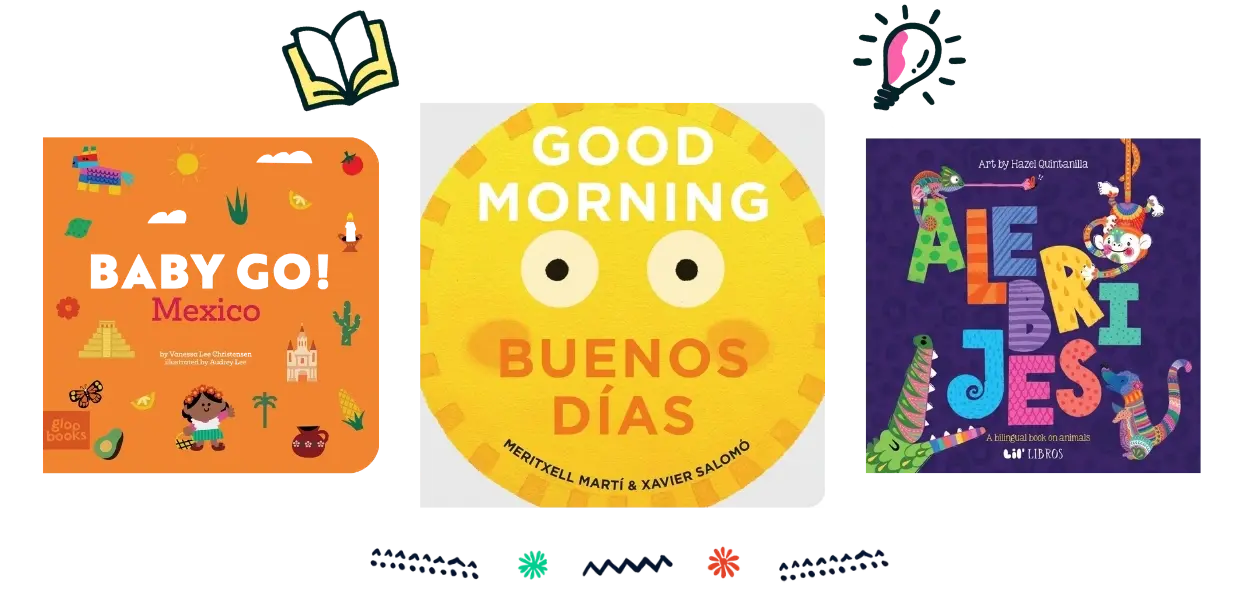
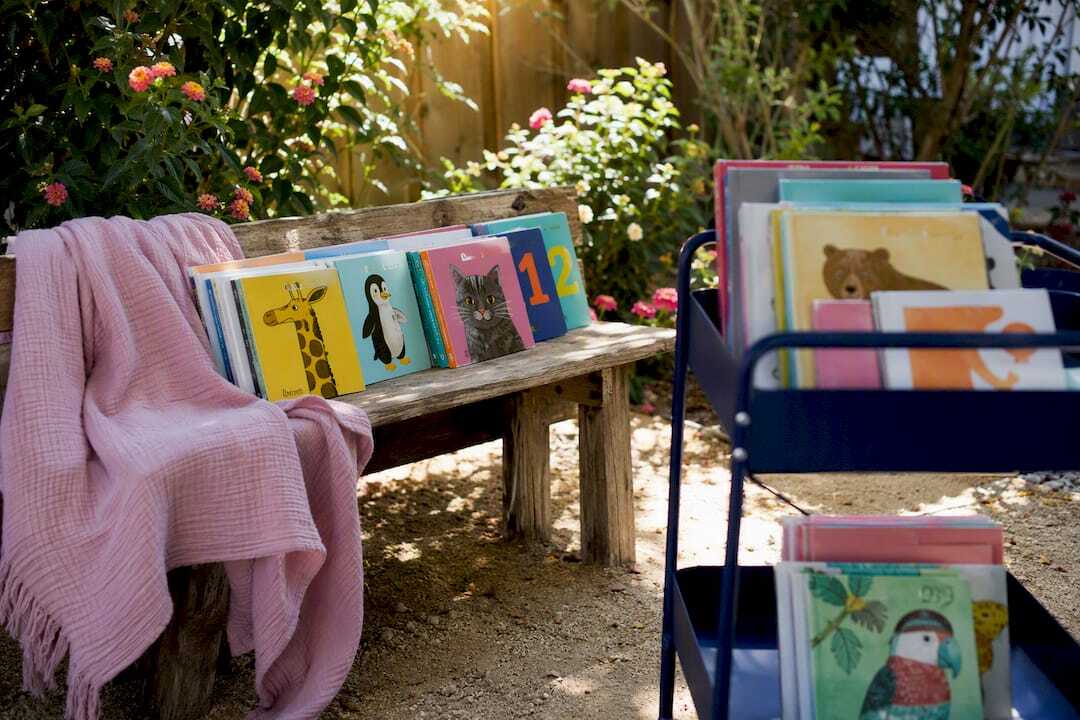
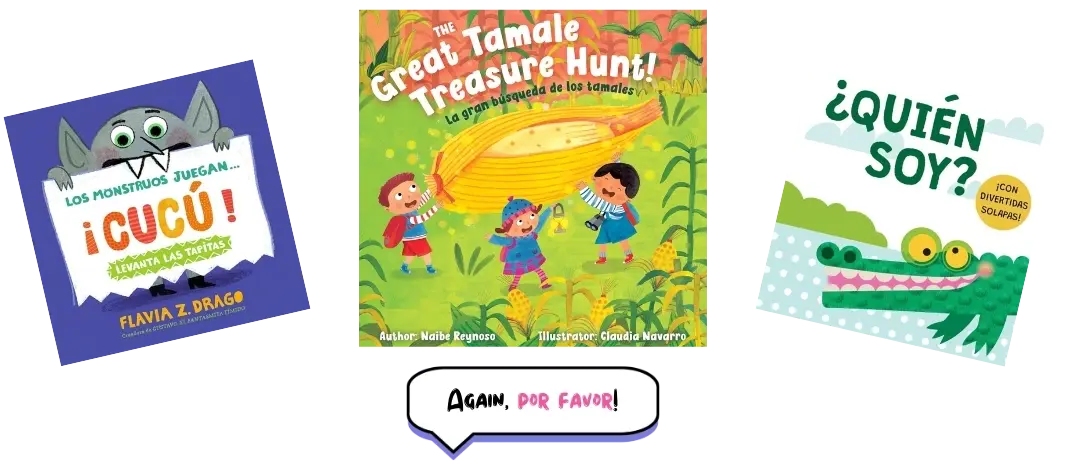
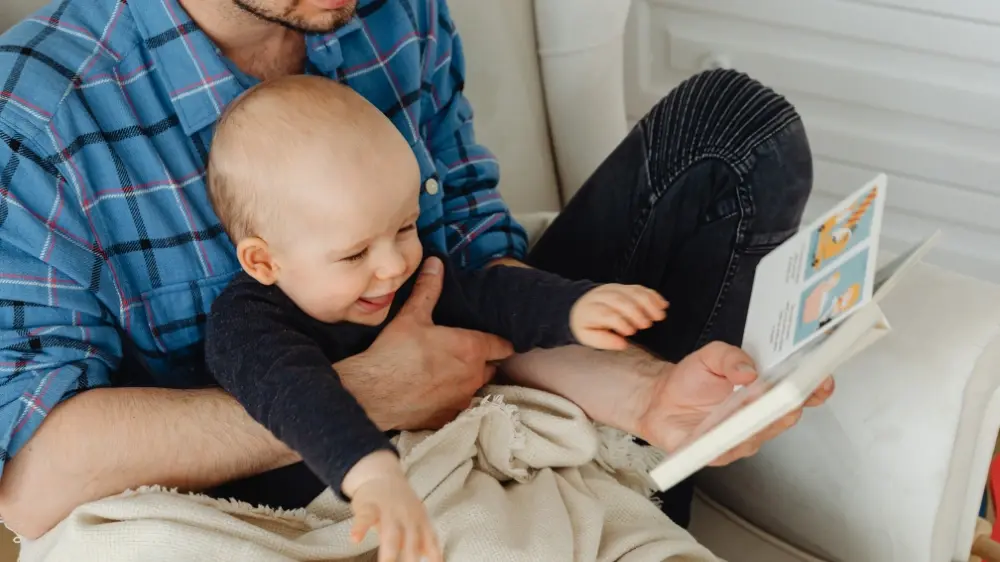
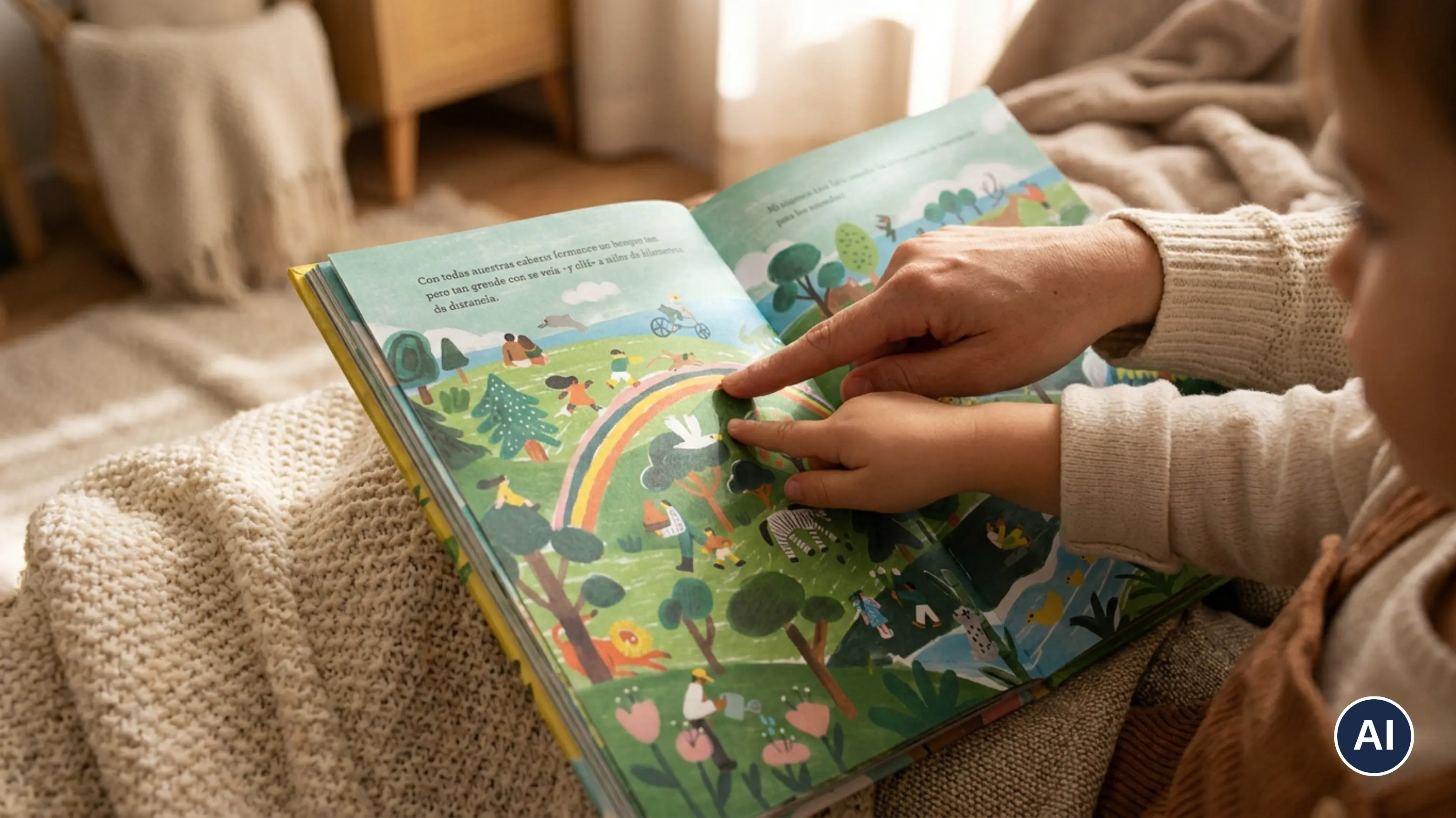
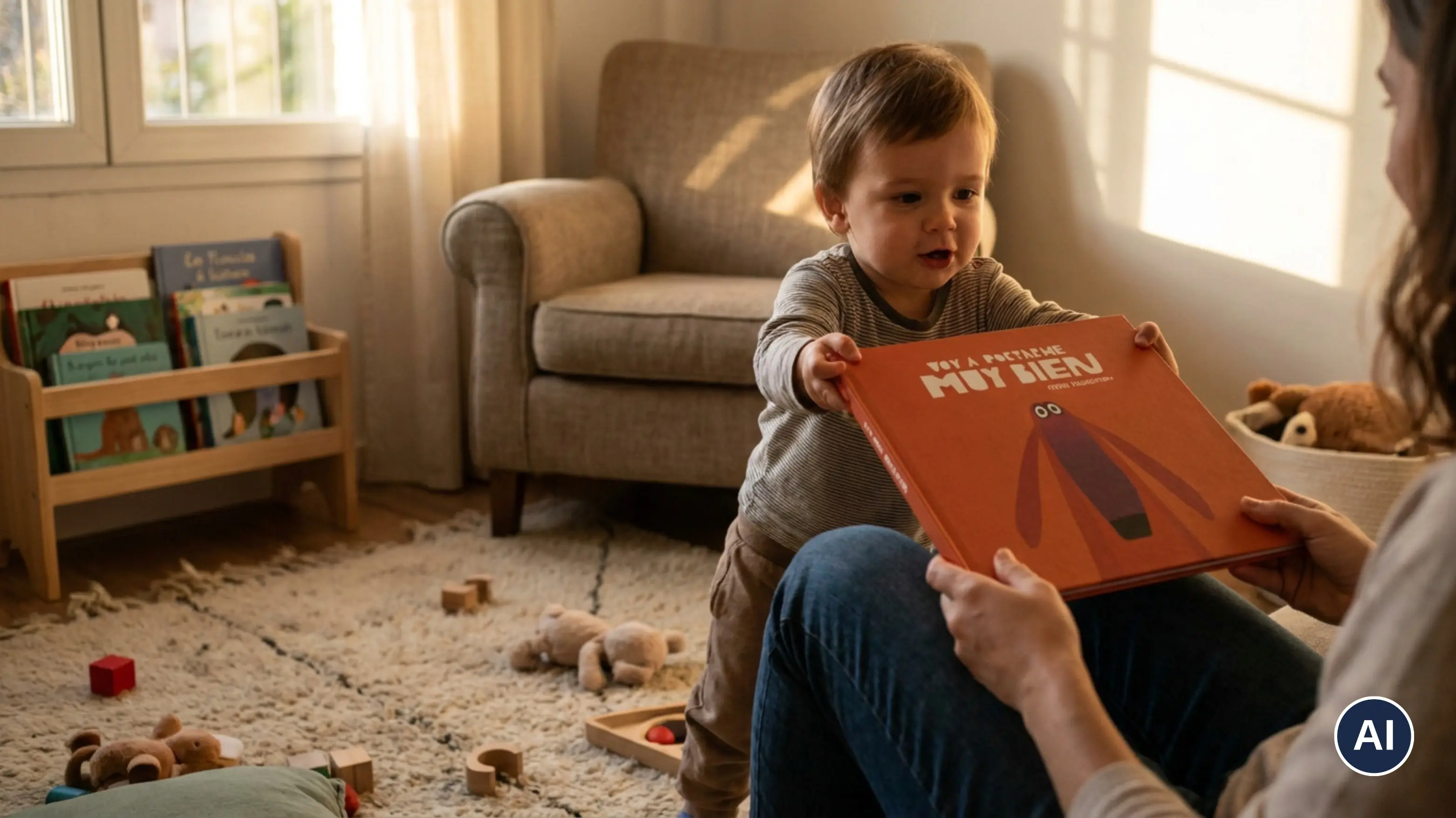
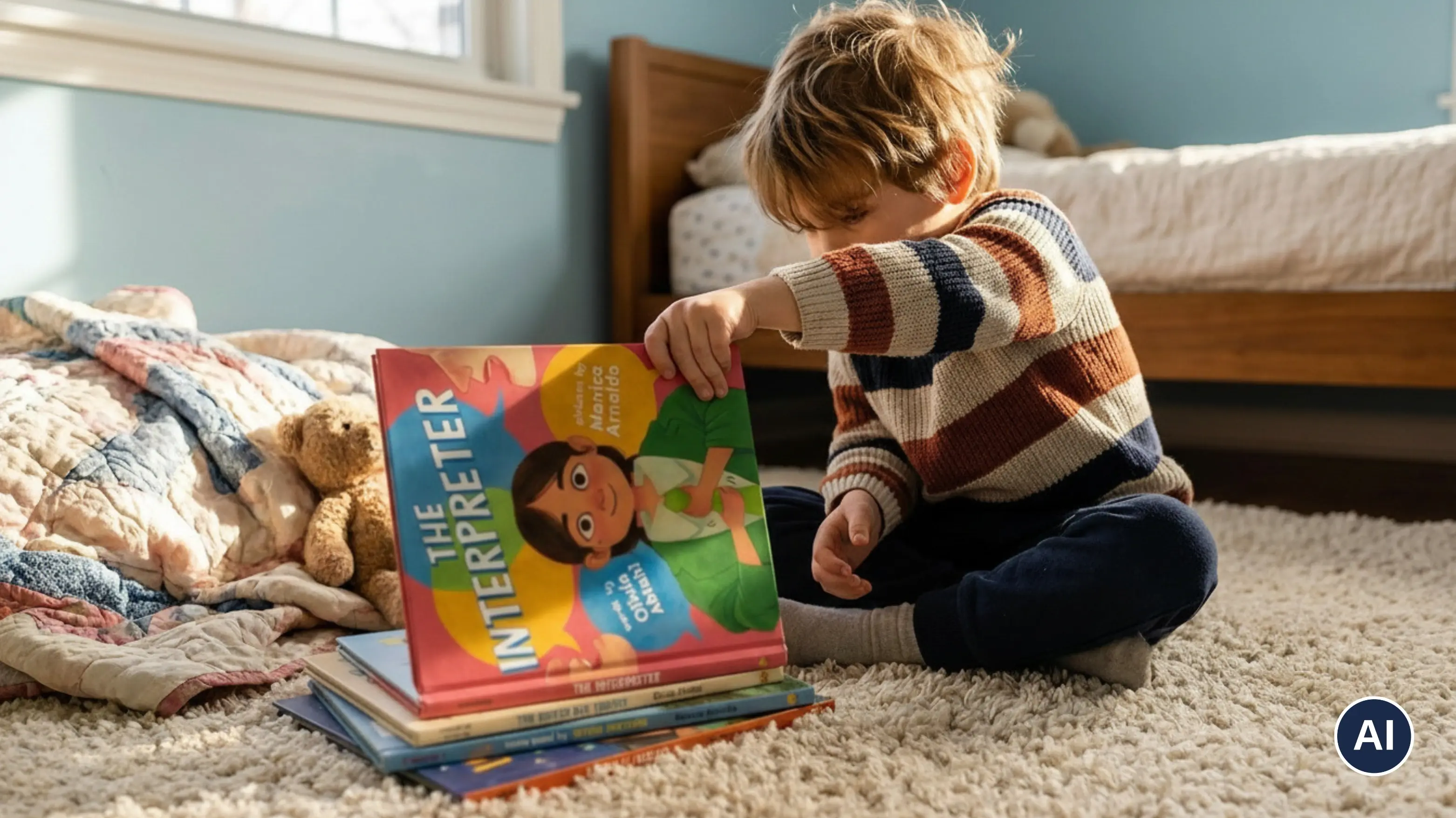
You don't need to speak Spanish to start your child in it. These ten bilingual board books are short enough, repetitive enough, and clear enough that you can read them out loud tonight — plus how to pick the right one for your child's age, and what to do when you hit a word you can't pronounce.
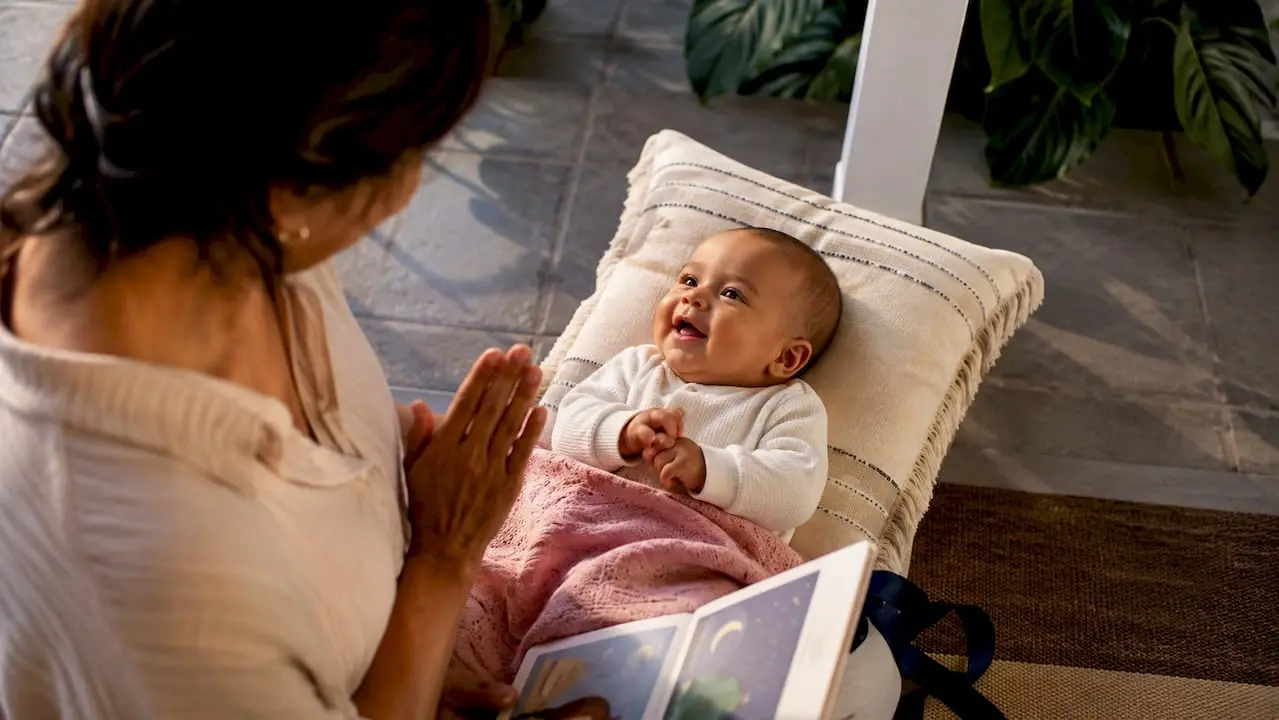
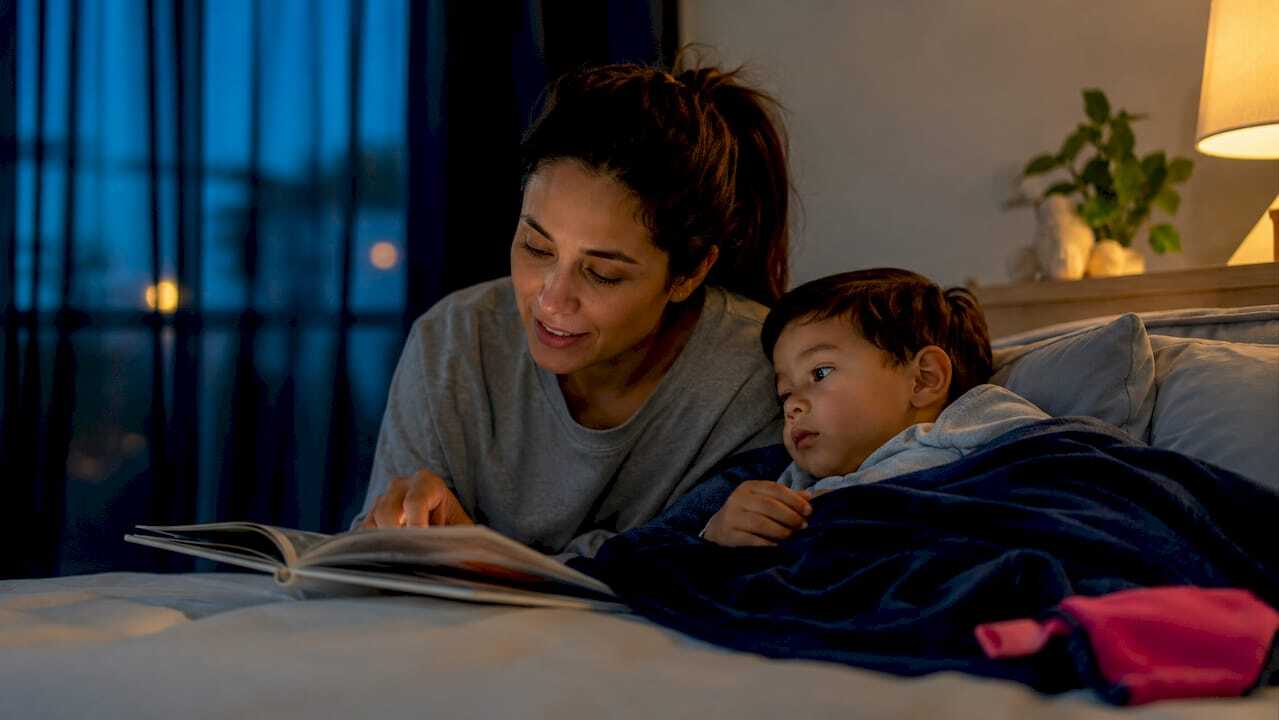
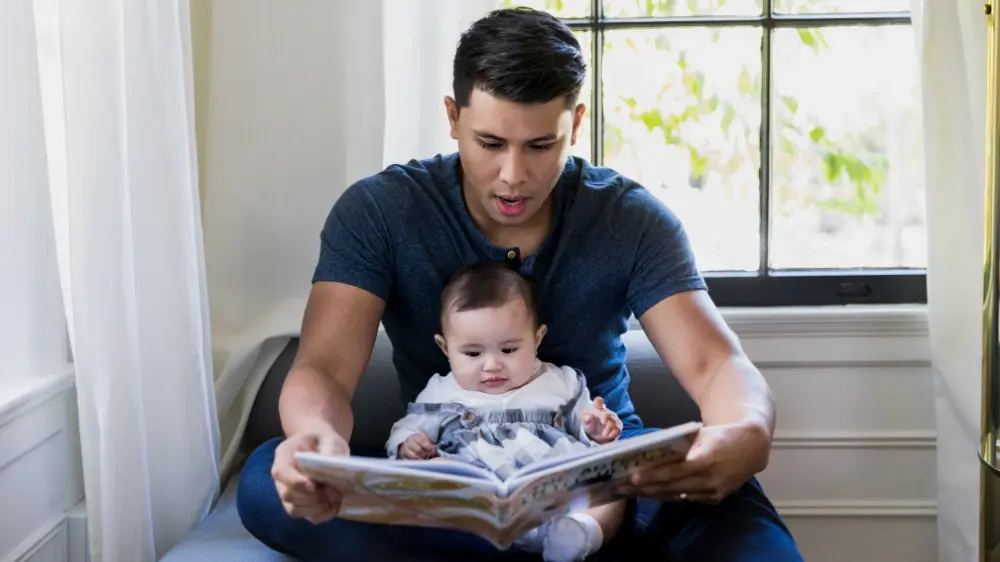
A ten-minute bedtime routine built around short Spanish and bilingual stories, with free read-along and audio sources worth bookmarking, and how to adjust the routine as your child moves from board books to chapter-style read-alouds.
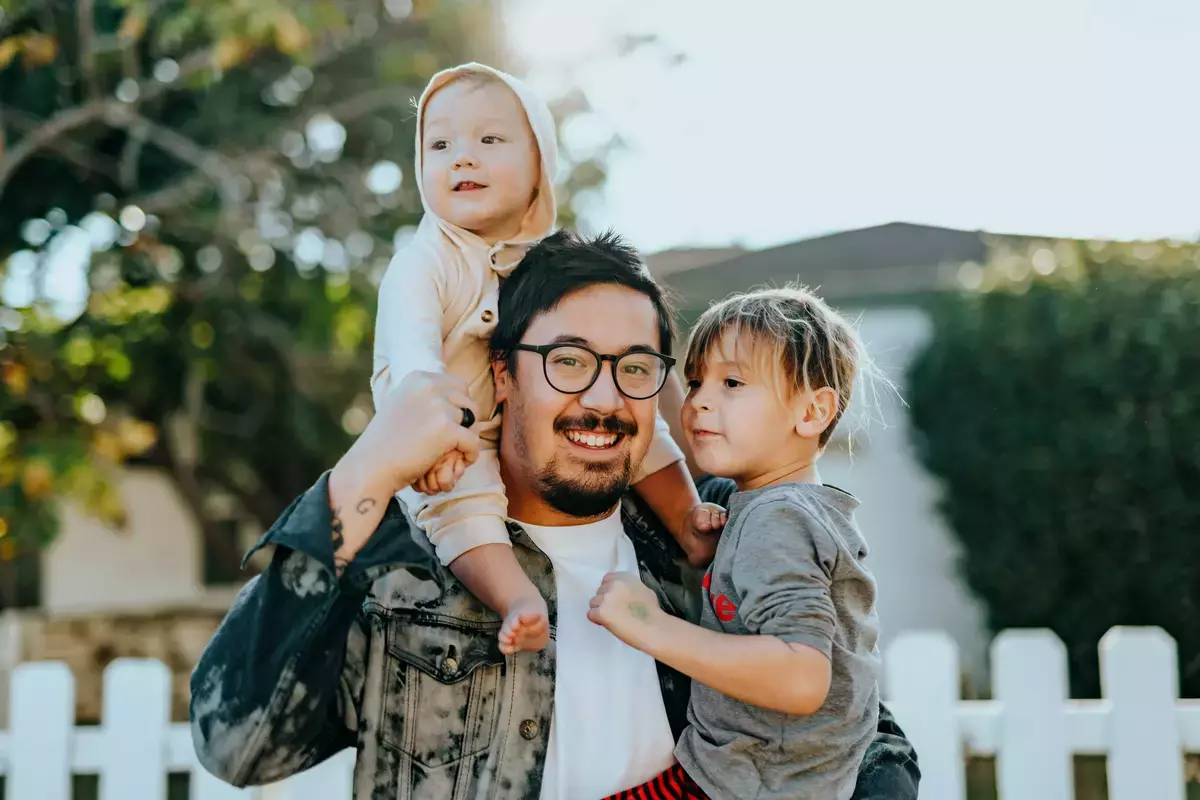
Even if you aren’t fluent in more than one language, you can raise bilingual children. On your journey, here are some common mistakes to be aware of. If you spot any of these in your household, don’t panic. They’re easy to correct, and knowing about them will help you make your child’s learning experience better in the future!
Here in the U.S. we celebrate Hispanic Heritage Month every year from September 15th to October 15th, and for our Mexican/Ecuadorian/American family it’s a chance to be super intentional about how we are celebrating latinidad with our kids. But you don’t have to be Hispanic or Latinx/e to appreciate the incredible contributions of Latin@s!
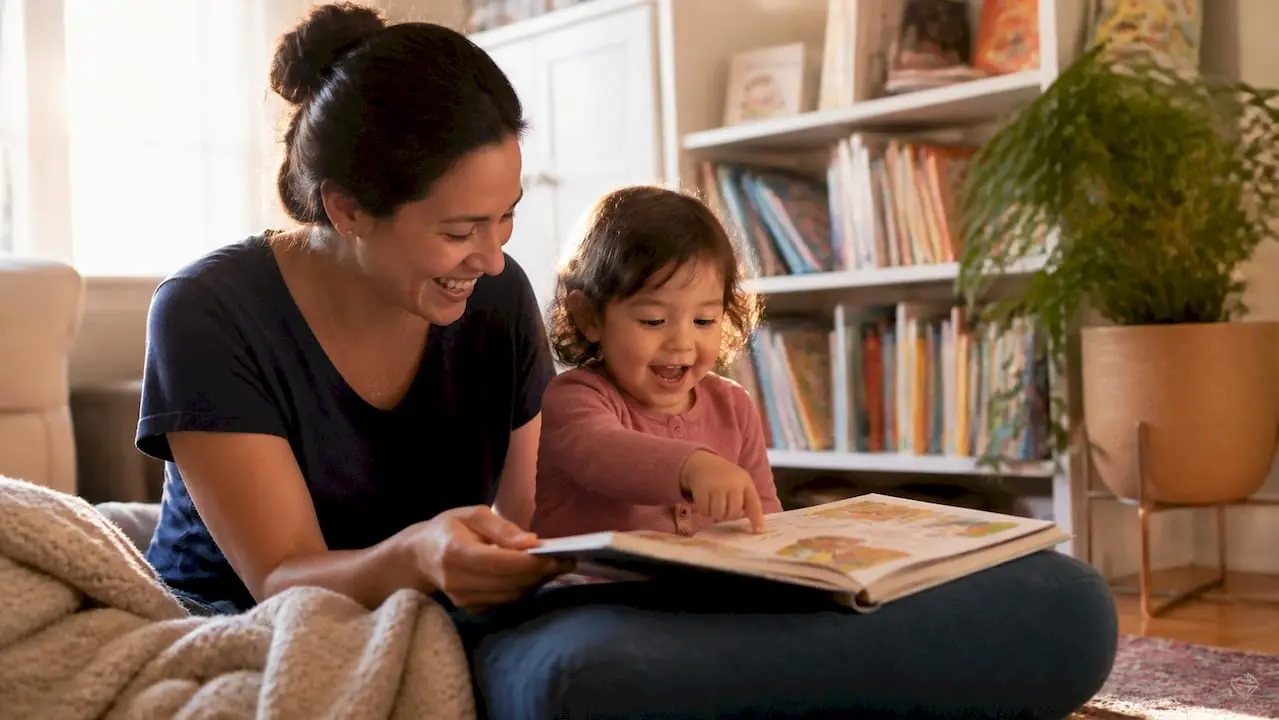
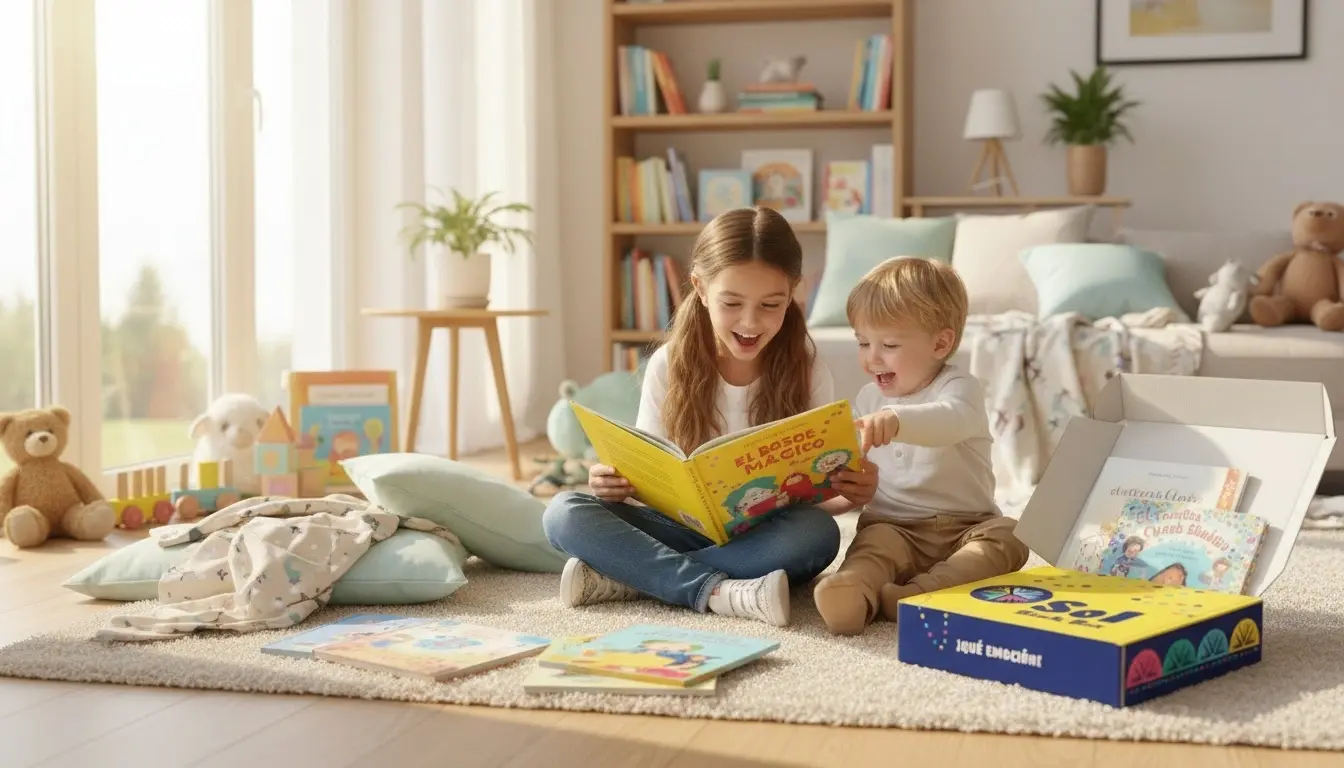
Start with curated Spanish and bilingual picture books, board books, and leveled readers matched to your child's age, and build a five-minute read-aloud habit around them. That single move does more for early bilingual literacy than any app or worksheet.
When researchers look at which families keep Spanish and which slowly lose it, the dividing line isn't fluency, money, or schools. It's something much quieter — and the parents pushing hardest are often the ones it slips away from.
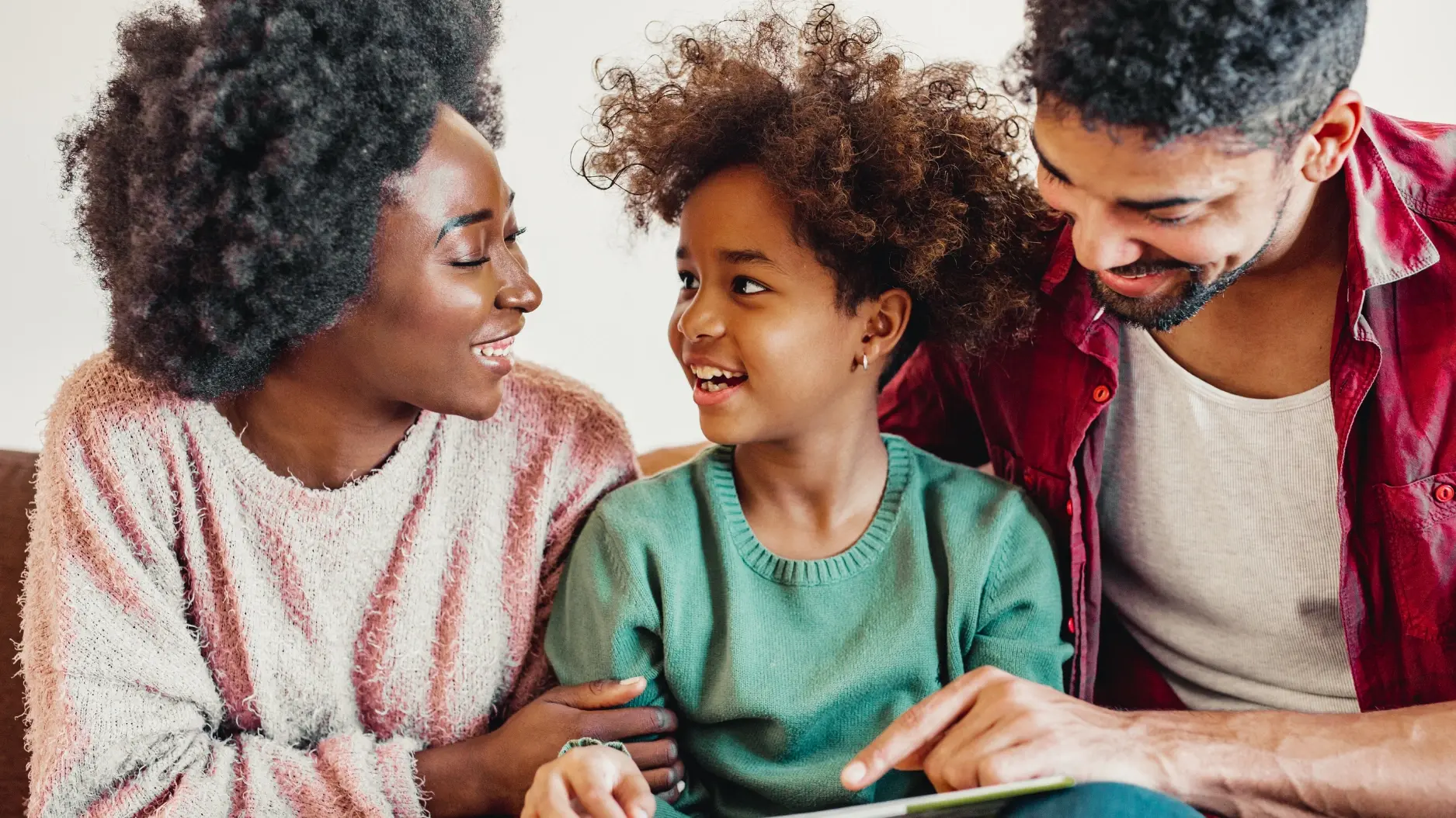
Every bilingual family has this moment. Your child's Spanish starts to sound different from yours — more confident, more natural, maybe even more fluent. What happens next is more complicated, and more beautiful, than you'd expect.