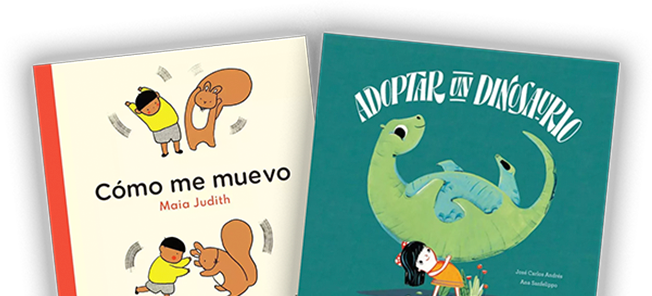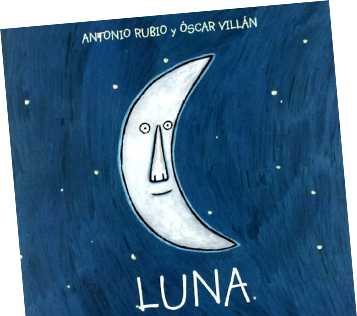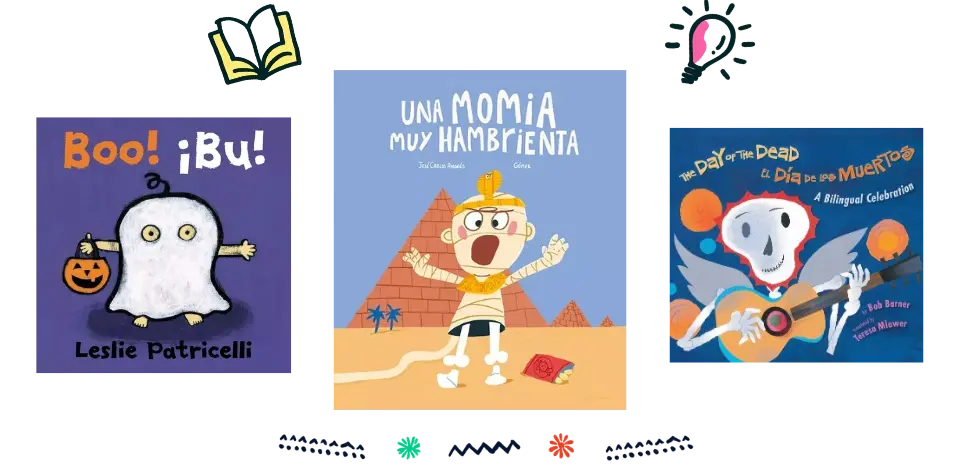
Spanish Halloween books for kids work best when they're funny rather than frightening — a ghost with embarrassing underwear, a witch who can't bake, a vampire nobody finds scary. Below are fourteen we reach for every October, grouped from bilingual board books for a first Halloween through the ones with a real thrill in them. Halloween is low on my own list of favorite holidays, which is exactly why this kind of book works: festive, but not too festive.
Quick answers
- Fourteen Spanish and bilingual Halloween books, grouped by how spooky they actually get rather than by age alone.
- For a first Halloween, look for bilingual board books built around costumes and trick-or-treating rather than plot.
- The best of these are silly before they're scary, and the humor is what makes them worth a tenth reading.
- Halloween and Día de los Muertos are separate holidays. Several books here touch one, the other, or the few days between them.
- Three of these are by José Carlos Andrés, and two each by Flavia Z. Drago and Aaron Reynolds — so if one lands, there's an obvious next book.
On this page
- Board books for a first Halloween
- Funny more than frightening
- For kids who want a little more thrill
- Halloween and Día de los Muertos are not the same holiday
- Reading them aloud, and the words to know
- Frequently asked questions
Board Books for a First Halloween
For the chiquitos, the story matters less than the costumes, the pumpkins, and the chance to name things on the page. All three of these are bilingual, so you can read them aloud whether or not you speak Spanish yourself — our guide to bilingual board books goes further on how that format works.
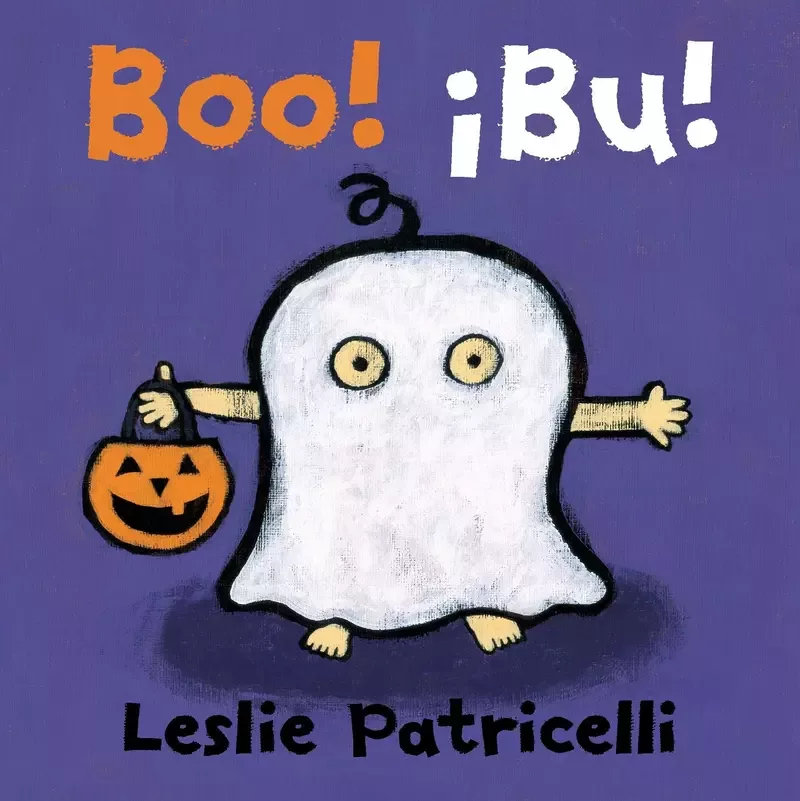
Boo! / ¡Bu!
by Leslie Patricelli
We're starting this list with a book for the chiquitos. What should Baby be for Halloween? A pirate? A princess? From carving a jack-o'-lantern to learning how to trick-or-treat, this bilingual board book is an ideal intro to your little one's first Halloween.
Little Monster, What Pan Dulce Do You Want? / ¿Monstruito, qué pan dulce quieres?
by Ana C. Esparza · Lil' Libros
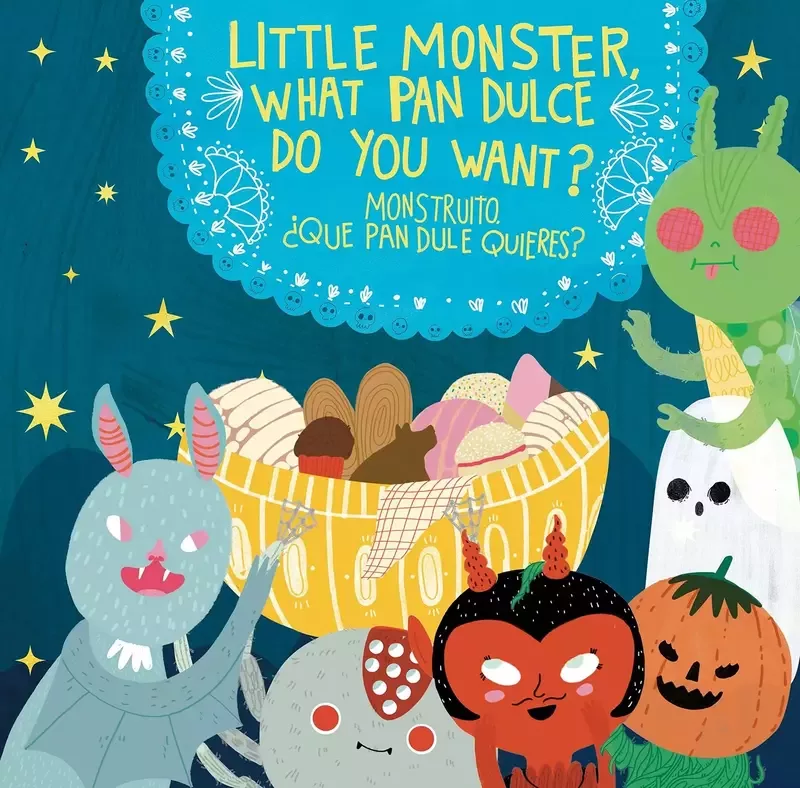
A group of little monsters is hungry for pan dulce, and the narrator hasn't guessed what kind. Is it a concha? An oreja? It takes a few tries but the offering is finally acceptable — just in time to celebrate the end of Halloween and the beginning of Día de Muertos. The naming-and-guessing structure is exactly what a toddler wants from a book, and the vocabulary is food you might actually have in the house.
The Day of the Dead / El Día de los Muertos
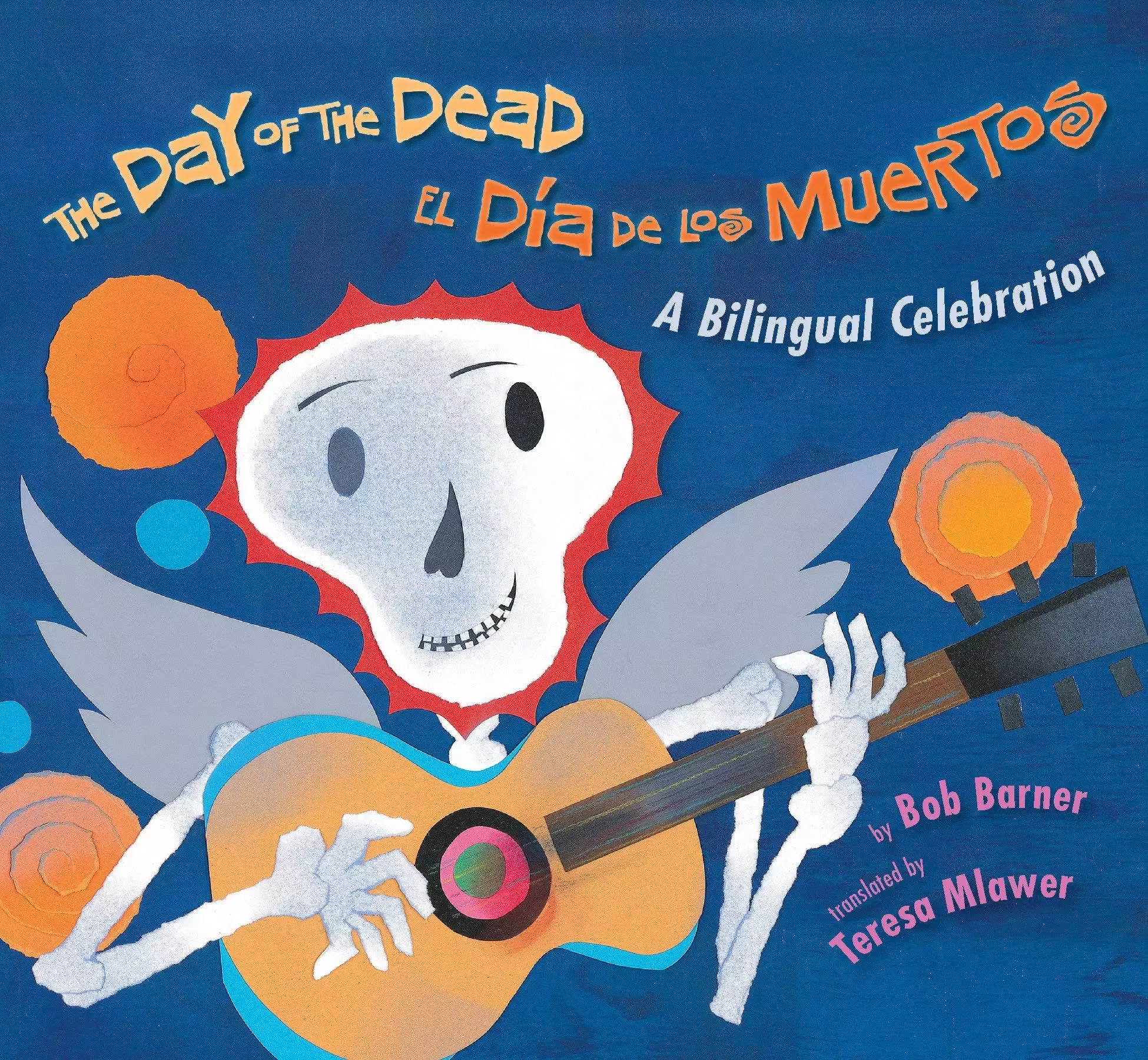
A bit of a cheat on a Halloween list, but this traditional Mexican holiday is observed by millions each year, bringing family and friends together to pay their respects and remember loved ones who have passed on. Despite occupying almost the same space on the calendar, and sharing some similarly spooky iconography, El Día de los Muertos is a celebration all its own. This bilingual board book, with sweet-smelling marigold petals and joyful songs, is a lovely first introduction.
Funny More Than Frightening
This is where most of the list lives. Ghosts with problems, witches who fail at things, a vampire who can't manage a decent scare. If your child is on the sensitive side, start here and stay here. For more in the same spirit year-round, we have a whole list of not-so-scary Spanish picture books about monsters.
El Fantasma de las Bragas Rotas
by José Carlos Andrés, illustrated by Gómez
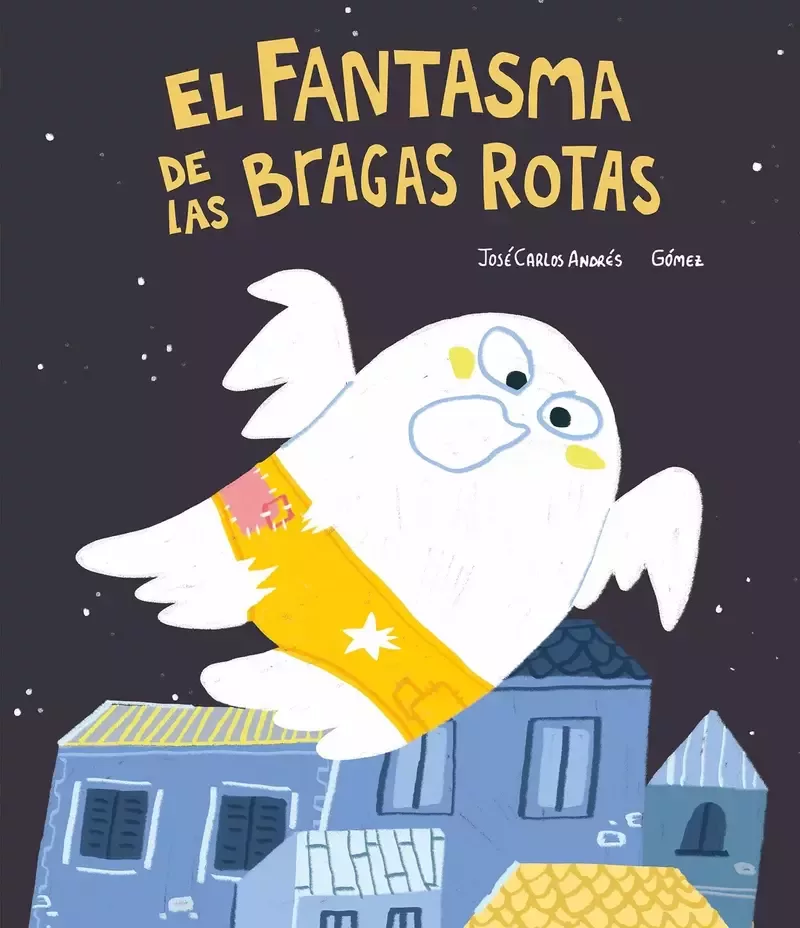
The residents of Villa Pesadilla are having a hard time. They'll just be minding their business when the local ghost comes around and terrifies them, yelling "¡Soy el fantasma de las bragas rotas!" The townsfolk send their bravest, strongest, cleverest neighbors to deal with him, and each one ends up running away in horror. Is there anyone who can fix things for el fantasma with the smelly old underwear?
Un Vampiro Peligrozo
by José Carlos Andrés, illustrated by Gómez
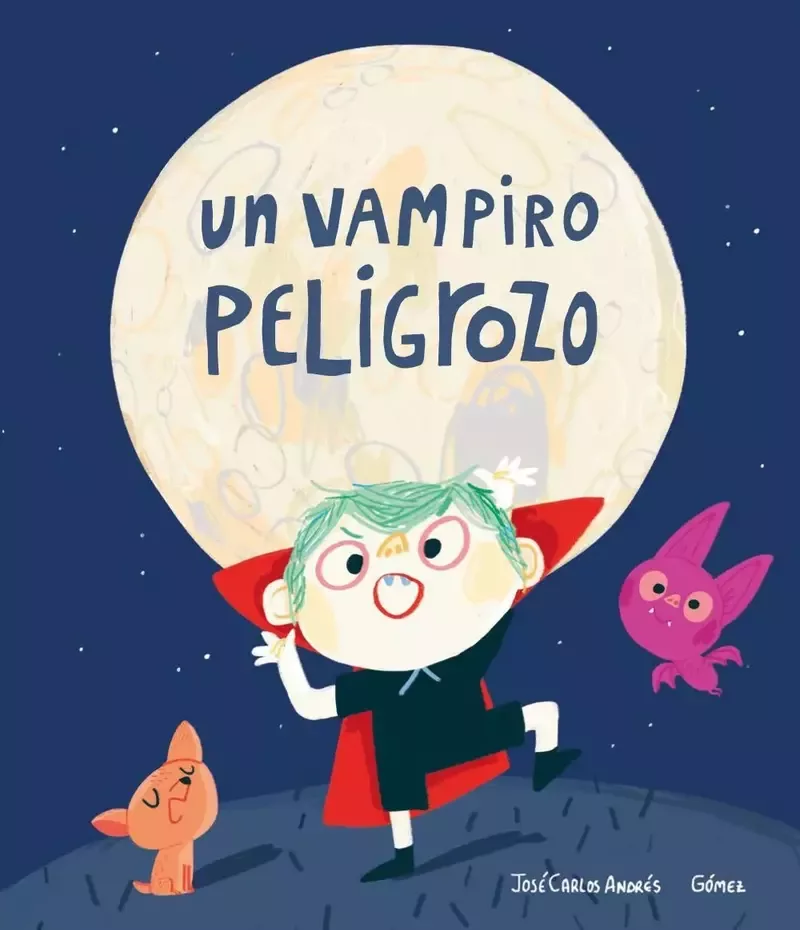
On a dark night in Transylvania, a little vampire is ready to give someone the scare of their life. If he manages it, he passes the test at Vampire School. If he doesn't, he'll be banished to Banana Peeler School. So when he sees a little girl walking alone, he tries his tactics on her. The little girl is… not very scared. But when she sees how upset the vampire is, and how much this means to him, she decides to help him out. Will our vampirito get his gran susto after all?
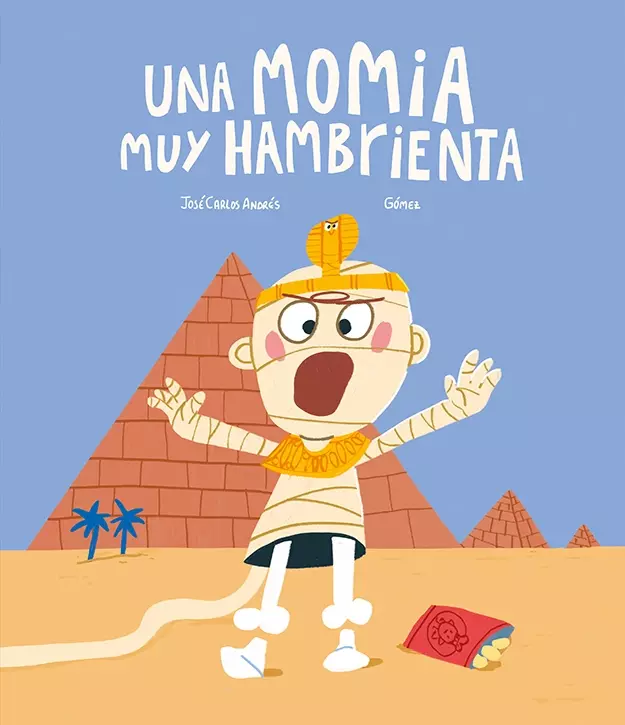
Una momia muy hambrienta
by José Carlos Andrés
A new not-so-scary story from José Carlos Andrés has become something of a spooky season tradition here. This one follows a very hungry mummy and the little girl who decides to help her. Same goofy spirit as Un vampiro peligrozo and El fantasma de las bragas rotas, with lessons about friendship, compassion, and facing down a fear. If the other two land, this is the third.
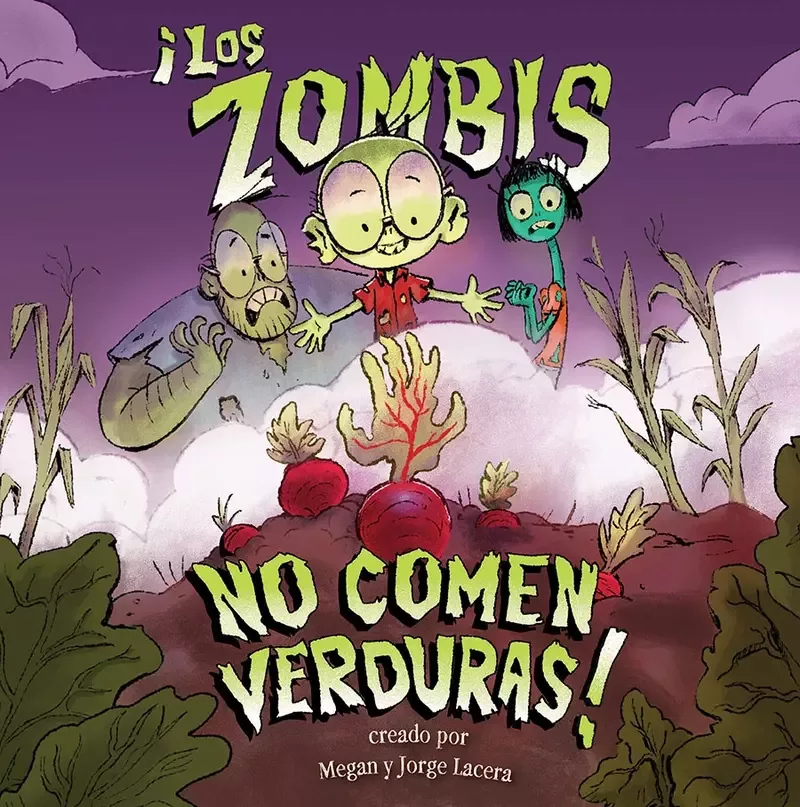
Los Zombis no comen verduras
by Megan Lacera, illustrated by Jorge Lacera
Mo the zombie is a little veggie enthusiast, but his parents don't get it. Why can't he just eat their regular healthy zombie foods? When Mo realizes he can make a vegetarian meal look like a zombie meal, he sets out to convince them to give peas a chance. A very silly, slightly gross book that also delivers a real lesson about daring to be different.
Start their shelf today. We'll keep it growing.
Cancel anytime. We'll swap any book you already own.
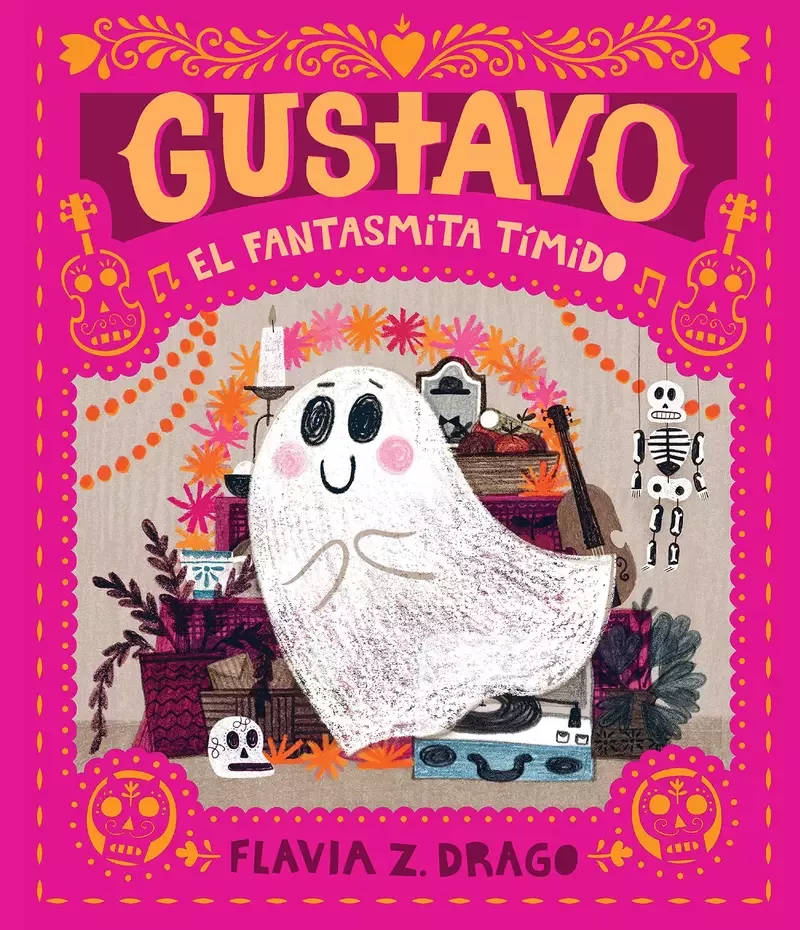
Gustavo el fantasmita tímido
by Flavia Z. Drago
Gustavo is an excellent ghost. He can walk through walls, make objects fly, even glow in the dark, and he loves nothing more than playing his violin. But Gustavo is terribly shy, and although his greatest wish is to make friends, he's never had the courage to talk to the other monsters in town. With el Día de Muertos approaching, will he be brave enough to let them get to know him?
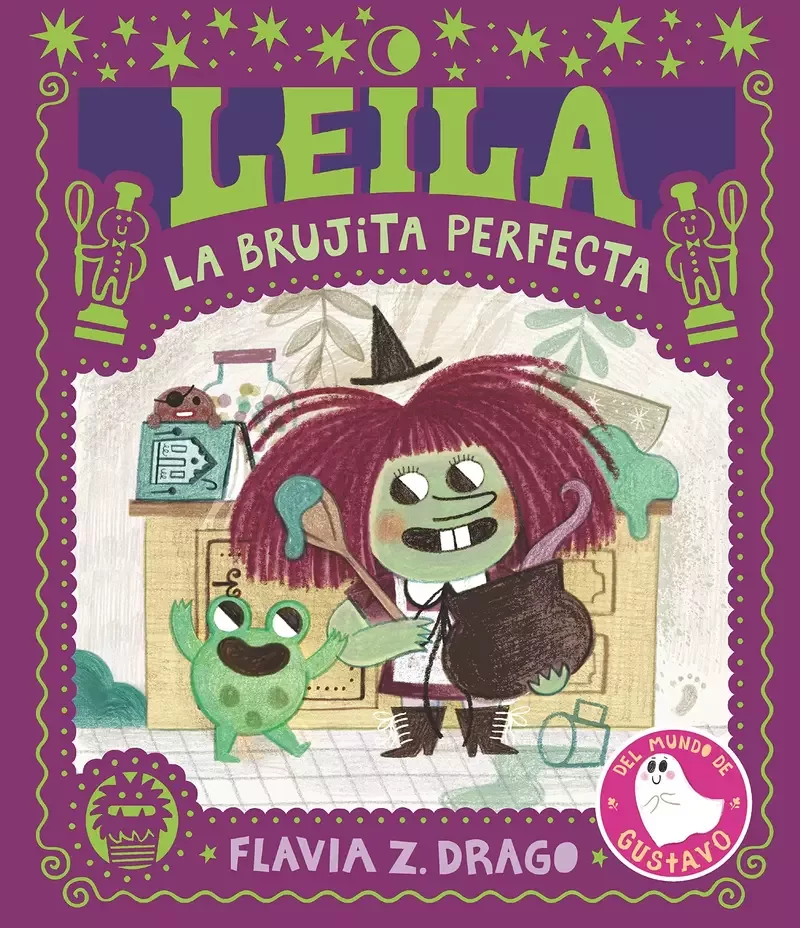
Leila La Brujita Perfecta
by Flavia Z. Drago
Leila is a perfect little witch. She's the best at everything she does, whether that's flying, shape-shifting, or making potions. The one thing she hasn't won yet is the Magnificent Witchy Bakeoff, and of course she plans to win it by baking something perfect. There's just one problem: the kitchen is the one place Leila is decidedly not perfect. Some helping hands may be the thing that lets her taste something sweeter than baked goods.
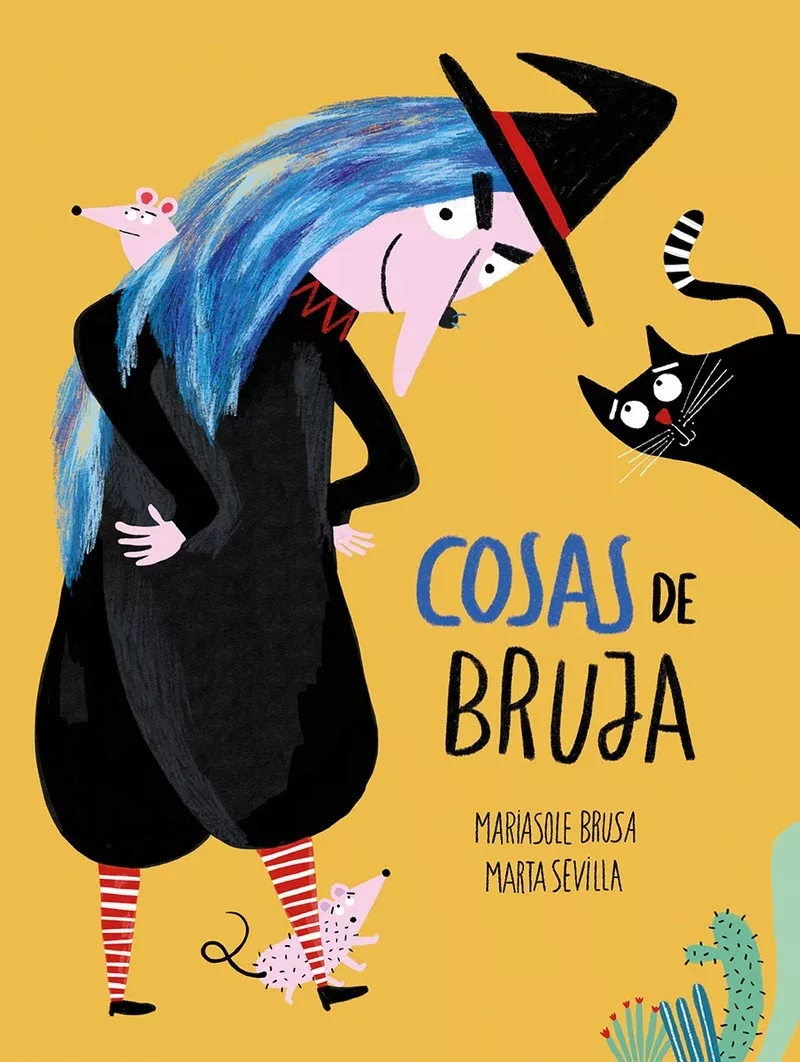
Cosas de Bruja
by Mariasole Brusa, illustrated by Marta Sevilla
This witch is hopping mad. Her hair, instead of being a properly witchy color like green (boogers!) or red (blood!), is a distressingly cheerful shade of blue. To prove how very witchy she really is, she decides to do something truly terrible. When she spots Nicolás playing with what she takes to be dolls stolen from his sister, she's found her victim. Will she become the witchiest witch of all, or find her way to radical self-acceptance instead?
For Kids Who Want a Little More Thrill
A step up in atmosphere, though all four still land somewhere safe. These suit a child who likes the feeling of being a bit scared and knows the lights are on.
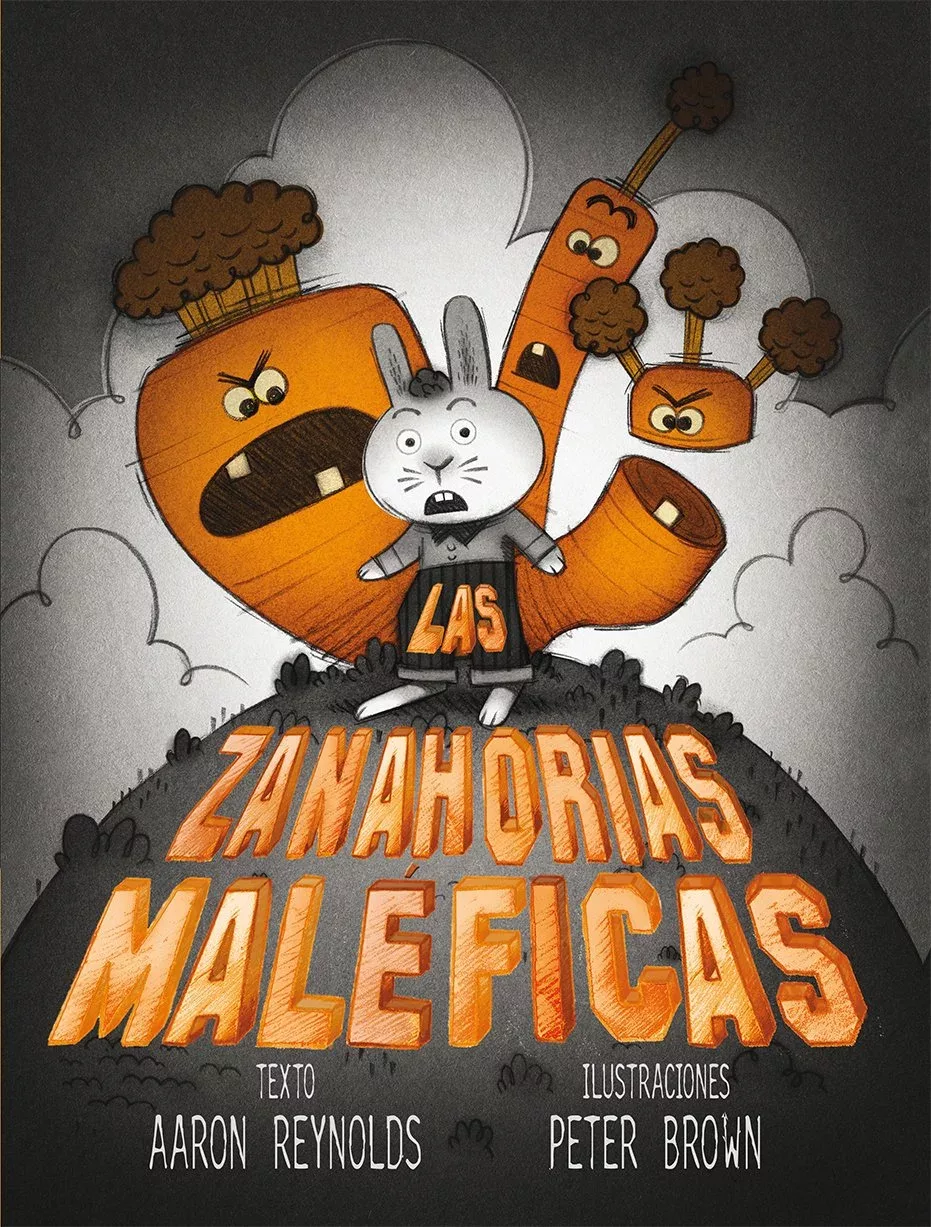
Las zanahorias maléficas
by Aaron Reynolds, illustrated by Peter Brown
This one reminds me of an old-timey horror film, with ominous black-and-white illustrations peppered with a pop of orange. El conejito Jasper loves carrots, and stops by the carrot patch often to pick the biggest and juiciest. Until one day the carrots decide to come after him. Or is he imagining things? One of my very favorite Halloween books in Spanish.
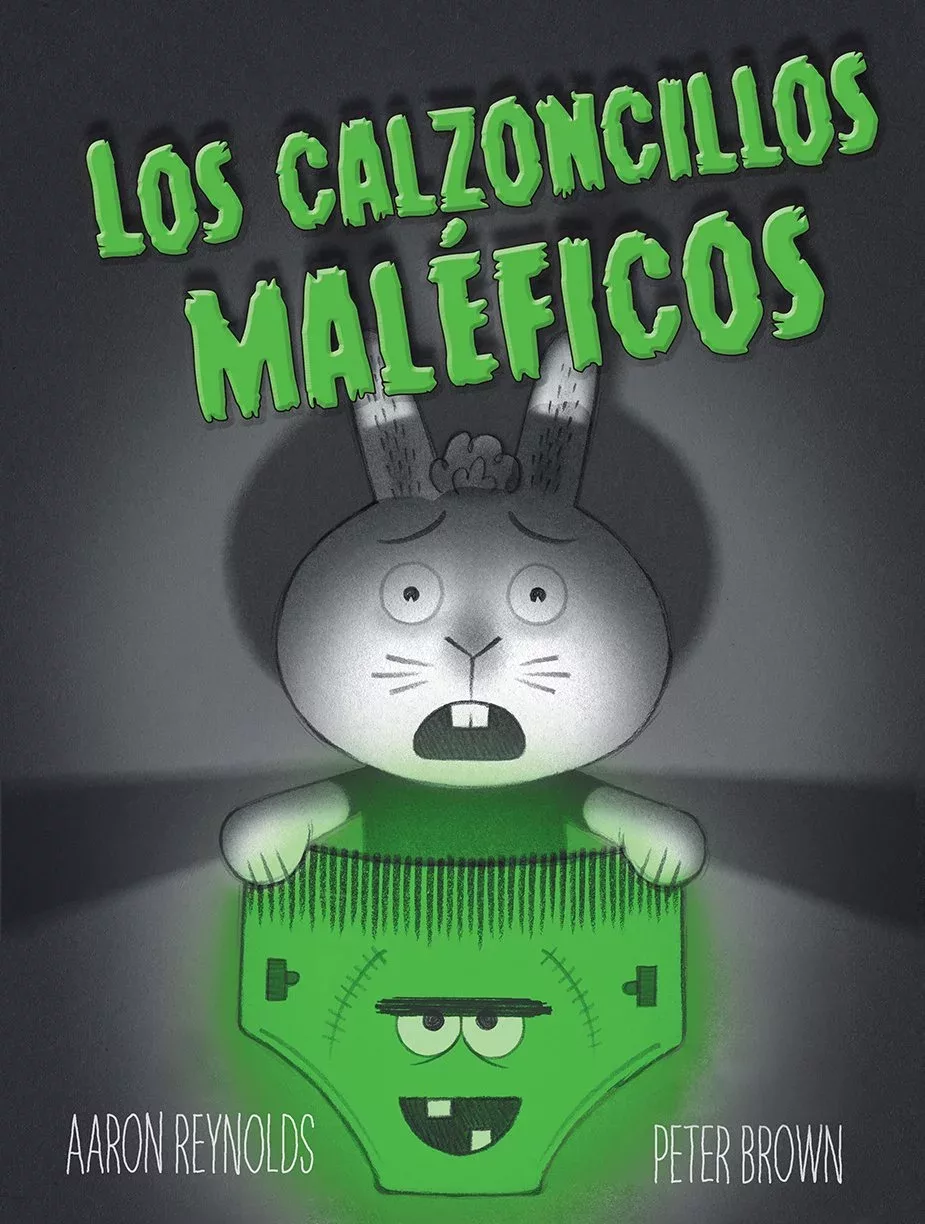
Los calzoncillos maléficos
by Aaron Reynolds, illustrated by Peter Brown
You've got to love a sequel, and here our little conejito Jasper is back. He's not a baby bunny anymore. He's not scared of the dark, and he's definitely not scared of some undies. Until the lights go out and they glow. If Jasper were afraid, he would try to get rid of the chones. And it certainly wouldn't terrify him if they kept coming back. ¡Para nada!
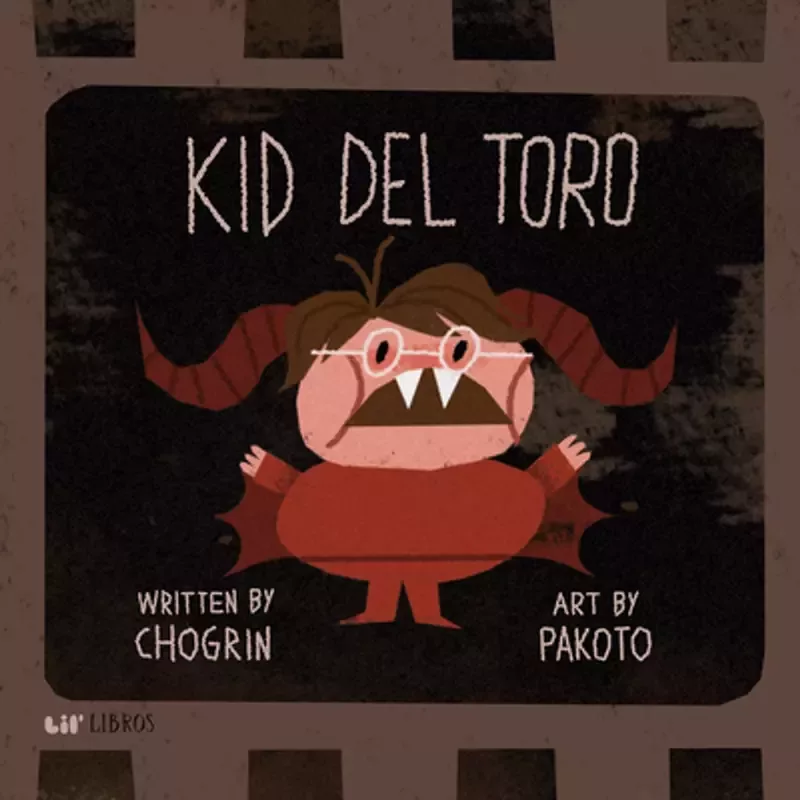
Kid del Toro
by Chogrin, illustrated by Pakoto
When a curious, monster-book-loving boy decides he absolutely needs his books to keep him company at night, there's only one problem: he has to get past the actual monster lurking in his bedroom. Inspired by a childhood dream the director Guillermo del Toro has described in several interviews, this is a winner for creature-loving kids and for parents who know his films.
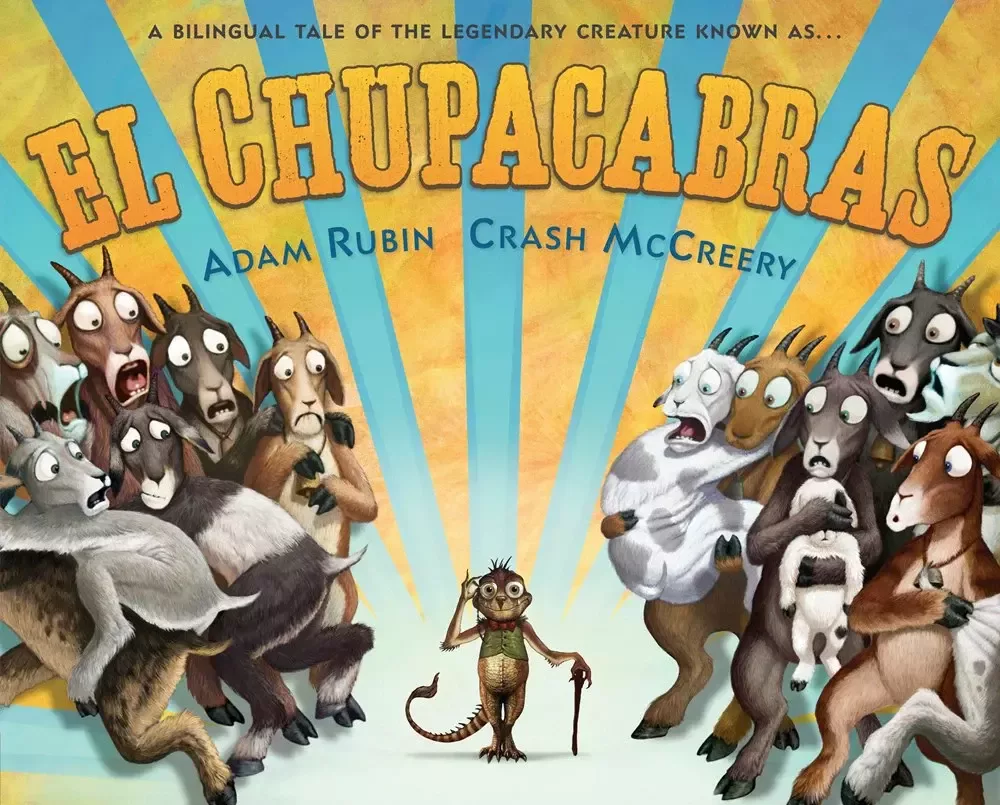
El Chupacabras
by Adam Rubin, illustrated by Crash McCreery
A long time ago, a girl named Carla lived on a goat farm with her father, Hector. One night a goat disappeared and turned up flat as a pancake. Only one creature could do that — El Chupacabras, the goatsucker. A fearsome beast, according to legend. But you can't believe everything you hear, and sometimes the truth is more interesting. From the bestselling author of Dragons Love Tacos, this bilingual retelling of the folktale is a family-friendly hoot.
Halloween and Día de los Muertos Are Not the Same Holiday
They land within days of each other and share some imagery — skeletons, the sense of a season for the dead — which is why they get blended together so often in English-language book lists. They're doing different things.
Halloween is costumes, candy, and knocking on doors. Día de los Muertos, observed on November 1 and 2, is about remembering people who have died: building an ofrenda, laying out marigolds and the food they loved, and welcoming them back for a night. It's warm rather than frightening, and it belongs to families who keep it.
A one-sentence framing before you read is usually enough for a young child: Halloween is about dressing up, and Día de los Muertos is about remembering people we love who died. Four books on this list touch it — the pan dulce monsters, Gustavo, El Chupacabras, and the board book made for it — so you can follow the calendar from one to the other without pretending they're the same thing.
Reading Them Aloud, and the Words to Know
A few minutes of prep makes the reading land better, and none of it requires you to be fluent. Our guide to Spanish read alouds covers the longer version.
- Preview five words before you start so your child recognizes them the moment they appear on the page.
- Let the silly ones be silly. These books are built for voices. A ridiculous ghost voice does more for engagement than perfect pronunciation.
- Use echo reading on repeated lines. Read a line, let your child repeat it back before you turn the page. ¡Soy el fantasma de las bragas rotas! is practically designed for it.
- Ask one open question per page — ¿Qué ve el fantasma? — rather than quizzing on vocabulary directly.
The words that come up again and again across this whole list:
- la calabaza — pumpkin
- el fantasma — ghost
- la bruja — witch
- el murciélago — bat
- el disfraz — costume
- el esqueleto — skeleton
- los dulces — candy, sweets
- dulce o truco — trick or treat
Frequently Asked Questions
What is the Spanish word for Halloween?
Most often it's simply Halloween, borrowed straight from English and used that way across Latin America and Spain. You'll also hear Noche de Brujas — night of the witches — which is common in much of Latin America, and the more formal Víspera de Todos los Santos for All Hallows' Eve. To say something is spooky, de miedo is the everyday phrase.
Is Día de los Muertos the same as Halloween?
No. Halloween is about costumes and candy. Día de los Muertos, on November 1 and 2, is about remembering loved ones who have died, and it's celebratory rather than scary. Many book lists feature both, which is fine — just worth naming them as two separate things rather than one long spooky season.
Which of these are least scary for a sensitive child?
Start with the board books, then anything by José Carlos Andrés — the ghost, the vampire, and the mummy are all built on the joke that the scary character isn't scary at all. Los zombis no comen verduras is gross rather than frightening. Save Las zanahorias maléficas and Kid del Toro for a child who actively wants the thrill.
Should I choose bilingual or Spanish-only for Halloween reading?
If you're not fluent, bilingual editions let you follow the English while your child hears the Spanish, which is why all three board books here are bilingual. Spanish-only titles push further, and seasonal books are a good place to try one, because the vocabulary repeats across every book you'll read that month.
Spooky Season Is Short. Their Shelf Isn't.
Halloween books get read hard for three weeks and then go back in the cupboard for a year. The rest of the year still needs filling. Sol Book Box sends a curated box of Spanish and bilingual libros matched to your child's age each month, chosen from publishers you won't find on a big-box shelf. If autumn reading is what you're after right now, our cozy Spanish books for fall picks up where the pumpkins leave off.
¡Feliz lectura!
About the author

Vanessa Nielsen Molina is an entrepreneur, educator, and mamá of four, who's passionate about helping other parents experience the joy of raising bilingual children. Follow her journey and find more resources at BilingualBookworm.com.