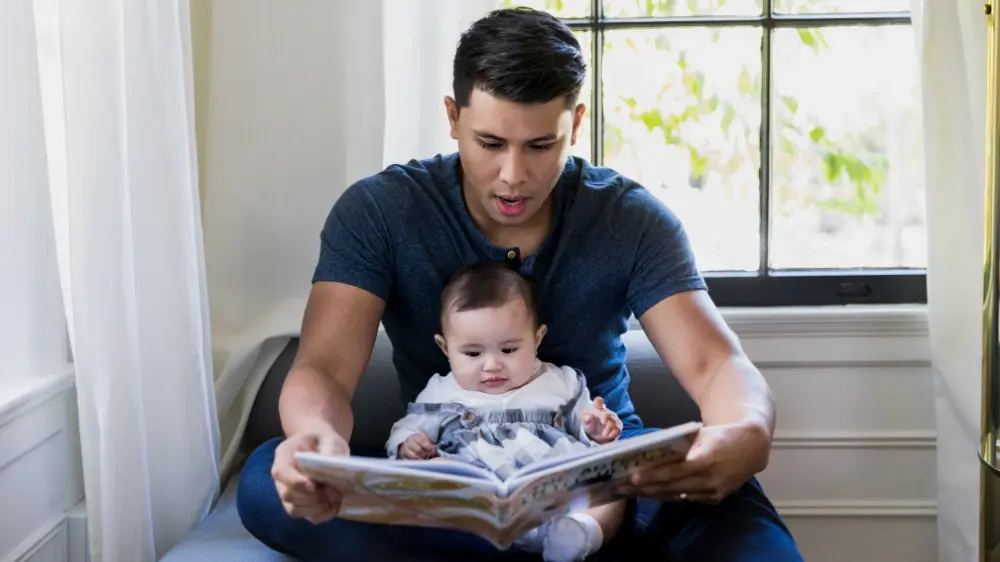
When you read to a young child in a second language, the instinct is to read the way a fluent speaker would — at conversation pace, smoothly, naturally. The research on how young brains absorb the sounds of a new language points in the opposite direction.
Slower tempo. Stretched vowels. Wider pitch range.
The exaggerated, sing-song quality adults instinctively use with infants — and sometimes feel a little silly about — is exactly what a young brain needs to start building the language.
But the technique only works as well as the book in your hands. Some board books are built for it. Others fight it.
What follows are six Spanish board books we reach for when slow, deliberate reading is the goal.
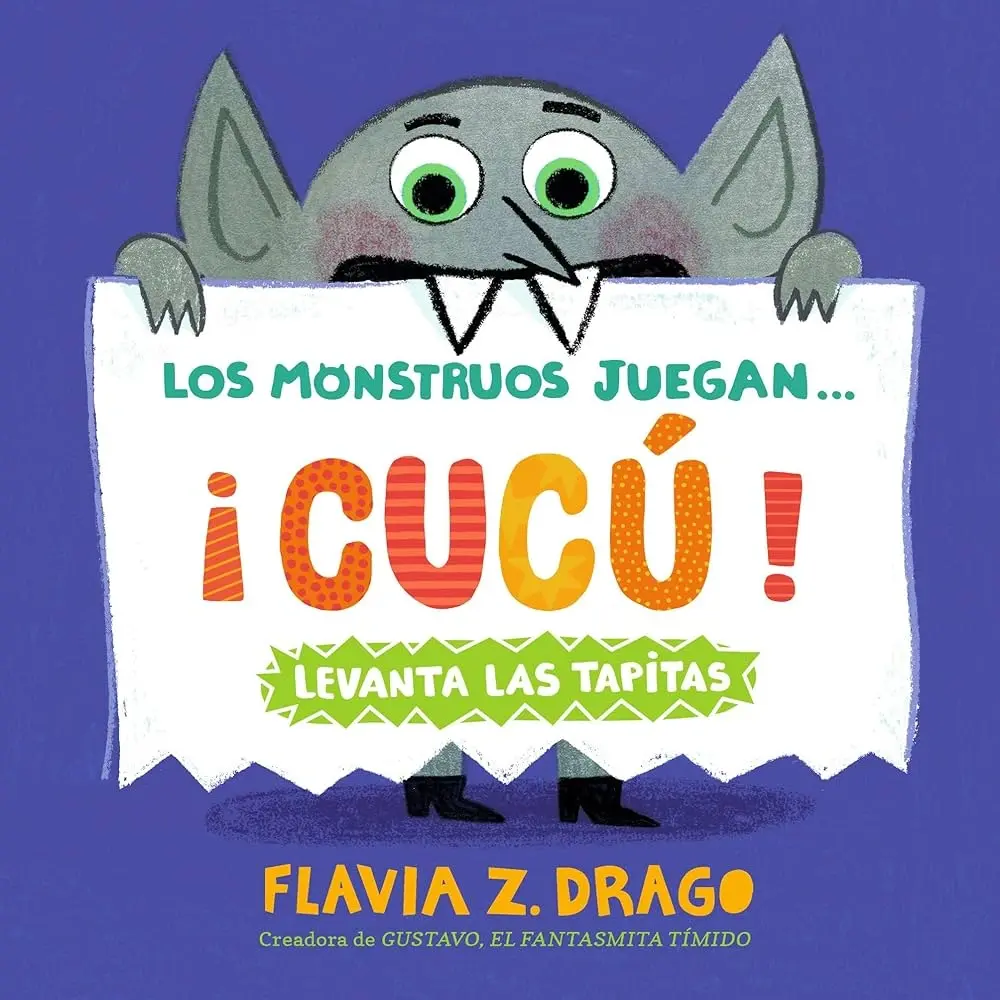
1. Los monstruos juegan… ¡Cucú!
Flavia Z. Drago · Candlewick
A peekaboo lift-the-flap book full of friendly little monsters and the rhythmic anticipation of cucú… ¡aquí estoy!
The simple structure — hide, reveal, repeat — gives the book a built-in pacing that rewards a parent willing to draw out each beat.
Why it works for the slow read: Cucú is one of the most stretchable words in Spanish — two open vowels, room for theatrical inflection, perfect for the dramatic pause the technique calls for.
The flap mechanic creates natural stopping points where you can hold a vowel, let the anticipation build, and reveal with full sing-song delivery. A book practically designed for this kind of reading.
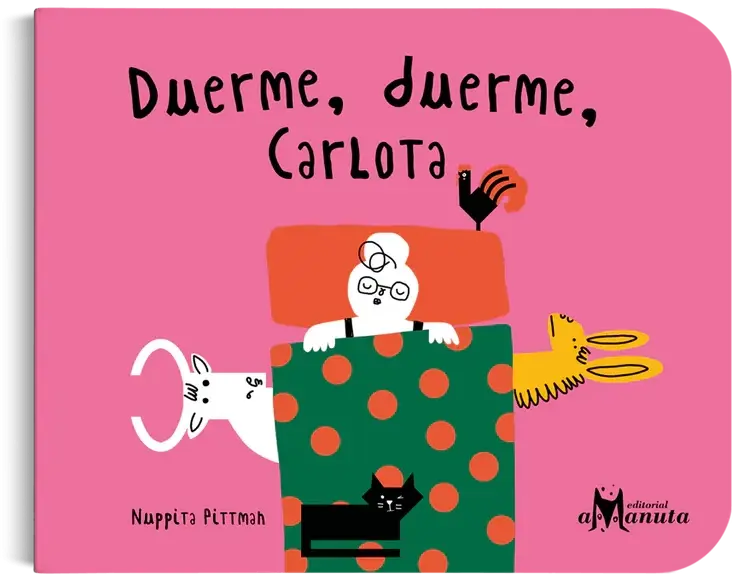
2. Duerme, Duerme Carlota
Nuppita Pittman · Amanuta
A bedtime board book from Amanuta, one of our favorite small presses anywhere in the Spanish-speaking world. The text uses repetition and onomatopoeia to lull a small reader toward sleep, paired with the spare, striking illustration style Amanuta is known for.
Why it works for the slow read: The book wants to be read slowly. The repeated duerme, duerme refrain is built for stretched vowels and a softening voice — and the sleep-soft pacing means slowing down doesn't fight the book's mood; it deepens it.
A book where the technique and the content reinforce each other.
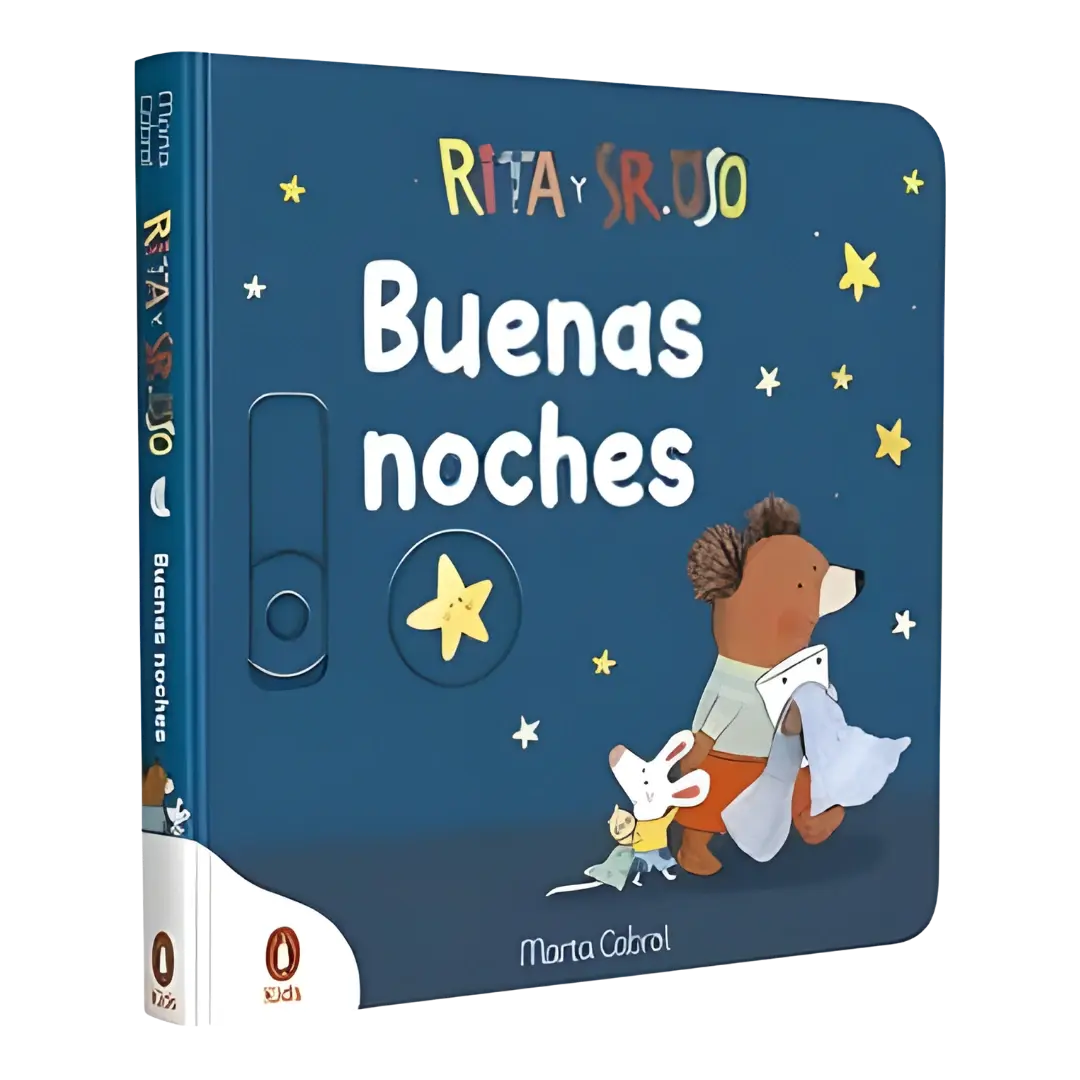
3. Rita y Sr. Oso — ¡Buenas Noches!
Marta Cabrol · Penguin Kids
A bedtime board book by Marta Cabrol with sliding tabs and spinning wheels on every page, following a little bear searching for the moon. The interactive mechanism makes the child a participant, not just a listener — and the rhyming text gives the parent something to lean into.
Why it works for the slow read: The interactive elements naturally slow the reading down — every spread has something to pull or turn, which gives the parent permission to pause, repeat phrases, and stretch the moments between actions.
Combined with rhyme that rewards a sing-song delivery, the book sets up a rhythm that's hard to rush even if you tried.

4. ¿Quién tiene qué?
Margarita del Mazo & Cecilia Moreno · Ediciones Jaguar
A rhyming guessing-game book from the Spanish independent press Ediciones Jaguar. Each page shows an animal holding something — and the gentle question-and-reveal structure across pages keeps young readers engaged.
Why it works for the slow read: The question format (¿Quién tiene qué?) is built around a natural pause — you ask, you wait, you turn the page. That pause is the technique's signature move, baked into the book's structure.
Combined with rhyme that pulls toward sing-song delivery, it gives a parent two strong scaffolds for slowing down.
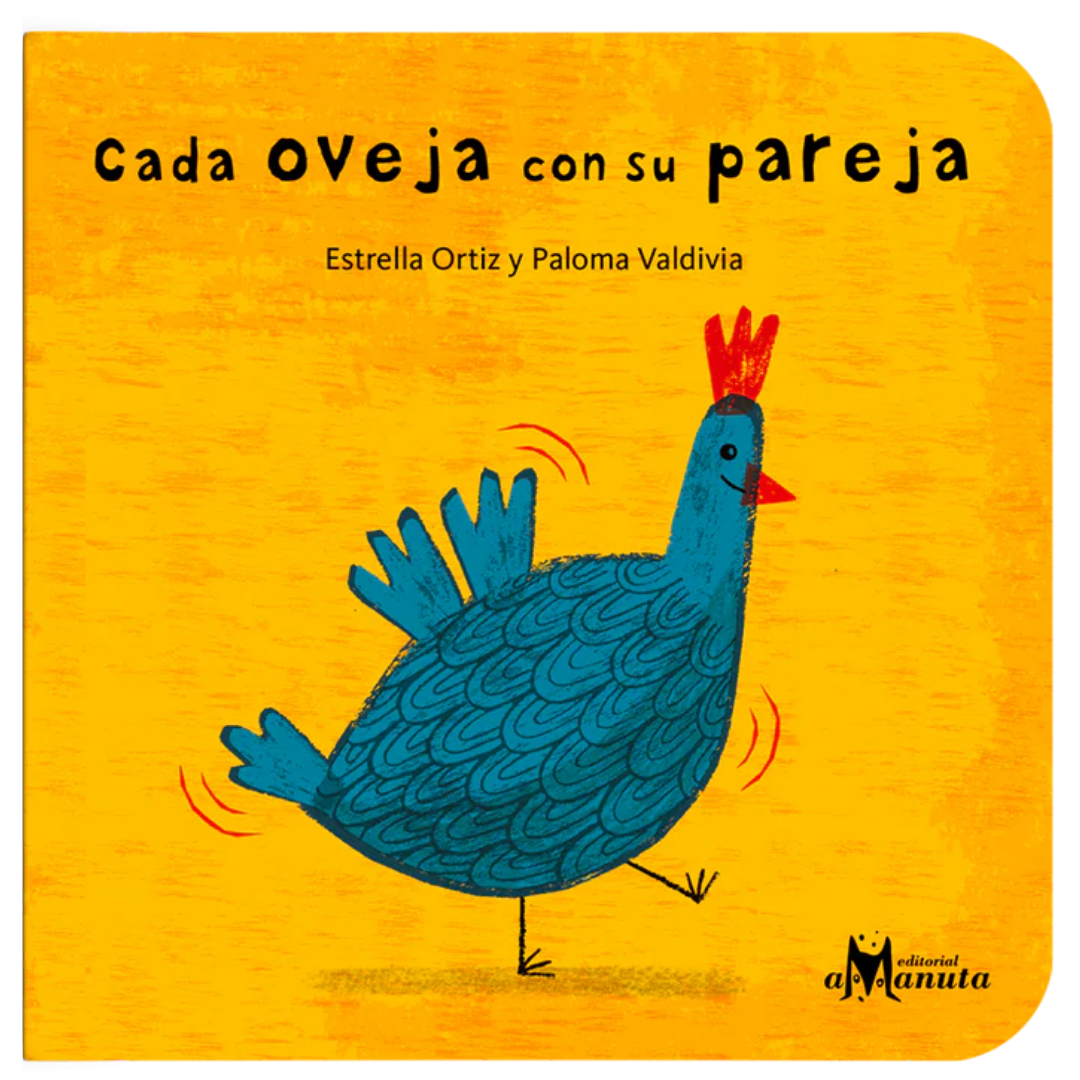
5. Cada oveja con su pareja
Estrella Ortiz Arroyo · Amanuta
Another title from Amanuta — a rhyming animal book that invites singing, moving, and imitation as you go. Each spread introduces a new animal, names it, and lets the reader play along.
Why it works for the slow read: Animal names in Spanish are vowel-rich and stretchable — ooove-ja, gaaato, vaaa-ca, pe-rrrro — and the rhyming structure across pages lets the parent settle into a cadence that builds over the course of the book.
The "imitate the animal" invitation is permission to be theatrical, which is the whole technique distilled. The book is asking for the voice the research is asking for.
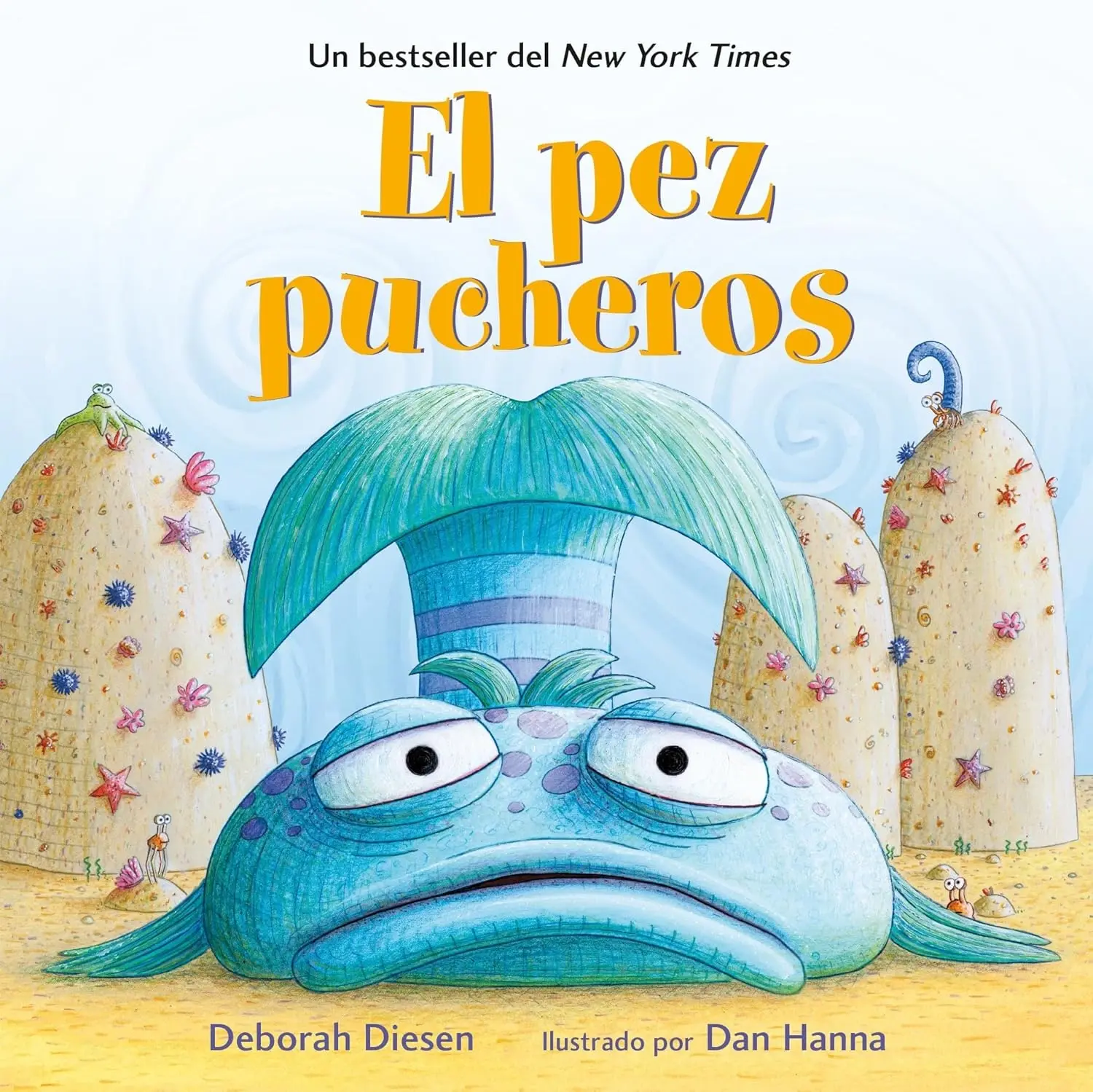
6. El Pez Pucheros
Deborah Diesen · Macmillan
The Spanish edition of Deborah Diesen's bestselling Pout-Pout Fish series, following a glum fish who slowly learns that being grumpy isn't his destiny. Bright ocean colors, exaggerated facial expressions, and a rhyming structure that's already familiar to many English-reading parents.
Why it works for the slow read: Pucheros (pouts) is itself a wonderfully stretchable Spanish word — three syllables with rolling consonants and open vowels, designed for theatrical delivery.
The book is full of similar treats: blub blub blub sound effects, repeated refrains, exaggerated emotional vocabulary. For a parent who already knows the English version, slowing down to deliver the Spanish version forces a fresh kind of attention — and the book rewards it.
A note on finding these
Some of these — the Candlewick, Penguin Kids, and Macmillan titles — you can find easily online. Others are harder. The Amanuta titles don't travel well to the U.S. without specialty importers, and Ediciones Jaguar can be similarly difficult to track down. Which is part of why we do what we do.
If you'd like books like these arriving each month — sourced from independent publishers across the Spanish-speaking world — Sol Book Box is here for that.