Want to raise a lil' bilingual bookworm?
Join 20,000+ families getting our storytime picks, tips, and inspiration every week.
Here's what's different about raising bilingual readers: You're navigating challenges that English-only families rarely face.
Not because it's always harder—but because the dynamics are simply different.
Your toddler might push away the Spanish book and ask for the English one. You stumble over words you haven't used in years and wonder if you're doing it right. They clearly understand what you're saying—you can see it in their eyes—but they answer in English every single time.
And here's what makes it even trickier: you can't just apply the same book-selection strategy you use for English.
The features that make a bedtime book work in English—soothing rhythm, familiar vocabulary—don't automatically translate. A book might have beautiful repetition in Spanish, but if the words are unfamiliar, suddenly they're asking questions instead of settling down.
The interactive elements that grab attention in English? They only work in Spanish if kids know the words for the actions.
You need books that work with the unique dynamics of bilingual reading—not against them.
So today, we're giving you a practical guide for the moments that trip up bilingual families—and the specific types of books that help you move through them.
📚 Before we start, a quick note on availability:
Many of the best Spanish children's books aren't sold on Amazon or in US bookstores—they're international titles published in Spain, Latin America, and other Spanish-speaking countries. That's exactly why we created Sol Book Box: to source these authentic, high-quality books and bring them directly to families in the US.
Some of the books in this guide are easy to find. Others are titles we've carefully sourced from international publishers—the kind of books that make bilingual reading truly work, but that most families would never discover on their own.
Interested in a specific title?
Email us at [email protected] and we'll let you know if it's currently available or coming soon in one of our boxes.
1. When They Say "No, The English One"
The challenge:
You reach for a Spanish book. Your kid immediately says "no" and grabs the English version instead (or asks for a different book entirely).
This isn't about language ability. It's about comfort and familiarity. English is everywhere—at daycare, in TV shows, on signs at the grocery store. Spanish requires more effort, more focus. And toddlers, like all of us, gravitate toward what feels easier.
What works:
Books so visually engaging, so interactive, so focused on topics they're obsessed with that the language becomes secondary to the experience.
You want:
- High visual interest - Pictures that tell most of the story, so they're engaged even if they don't catch every word
- Interactive elements - Flaps to lift, textures to touch, actions to perform
- Their current obsession - If they're into trucks right now, get Spanish books about trucks. If they love animals, lean into that.
The goal isn't to force Spanish. It's to make Spanish the path to something they already want.
Books to try:
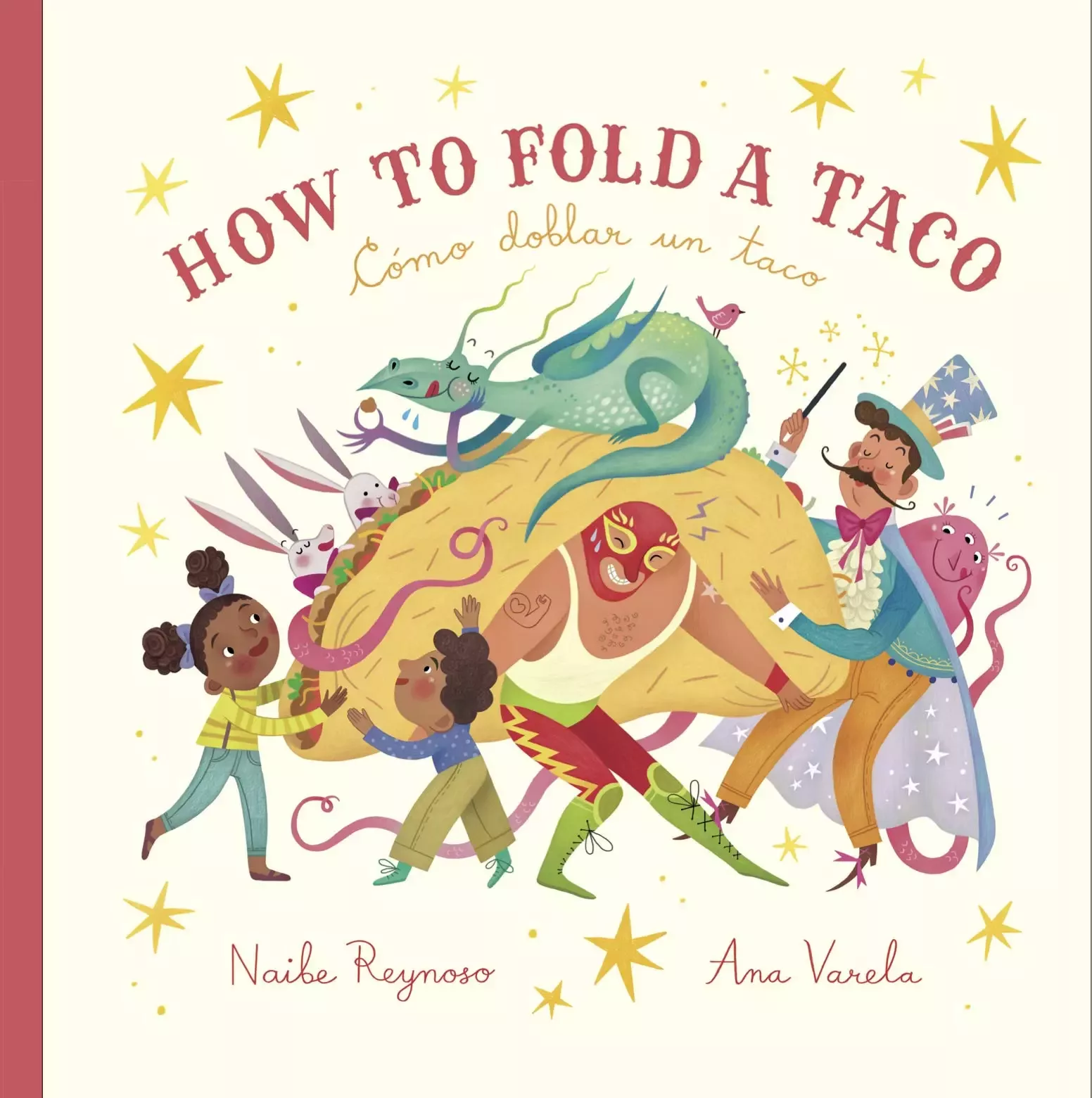
How to Fold a Taco / Cómo Doblar un Taco
Age range: 3-6 years
Format: Bilingual
A rhythmic, laugh-out-loud ode to tacos, traditions, and creative chaos. This book invites kids to repeat, invent, and shout along as they learn the (highly imaginative) art of taco-folding.
Why it works: The call-and-response structure and active participation make this irresistible. Kids are too busy dancing and folding imaginary tacos to notice they're hearing Spanish. The book becomes the fun activity, not a language lesson.
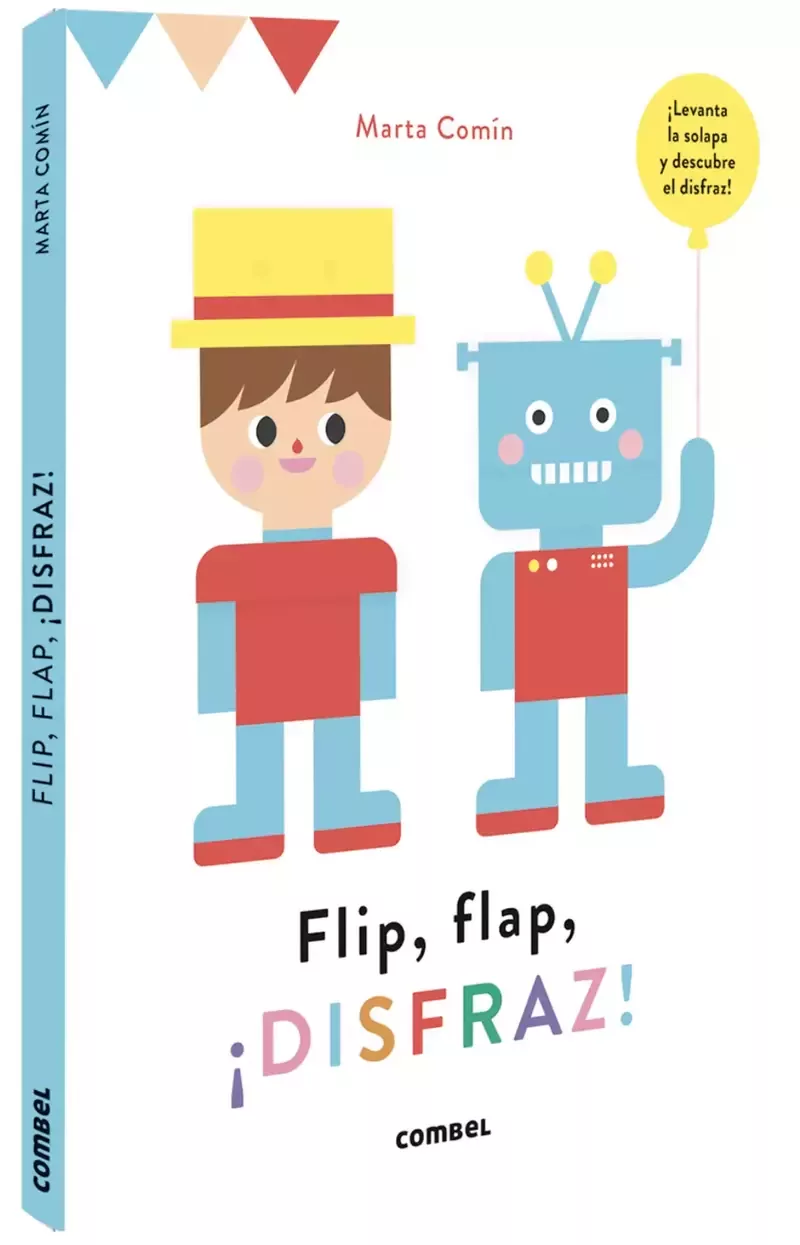
Flip Flap Disfraz
Age range: 0-3 years
Format: Spanish-only
Everyone's ready for the costume party—what have the guests disguised themselves as? Find out by lifting the flaps!
Why it works: This extra large, colorful, highly interactive board book is perfect for connecting with curious little explorers. The flaps provide instant gratification and excitement, making the Spanish text secondary to the discovery.

¡Ouah!
Age range: 2-5 years
Format: Spanish-only
A gorgeously illustrated story about a dog that's so compelling, merely reading the pictures is sufficient to ignite enthusiasm in any dog-loving young reader.
Why it works: The visual storytelling is so strong that kids follow along eagerly even if they miss some words. If your child is hesitant to read in Spanish, this book often becomes a firm favorite for the entire family—including the neighbor's dog they read to from time to time.
2. When You're Worried You're Saying It Wrong
The challenge:
You open a Spanish book and immediately feel self-conscious. Am I pronouncing this right? Did I just say that wrong? Will this confuse them?
If your Spanish is rusty—or if you learned it as an adult—this hesitation is real. And it can make reading feel like work instead of connection.
Here's the truth: your child isn't grading your accent. They're absorbing the sound of Spanish, the rhythm of the language, the fact that you're trying. That matters more than perfect pronunciation.
But that doesn't mean the books don't matter. Some books make it easier to read confidently, even when your Spanish isn't fluent.
What works:
Books with simple, repetitive text and strong visual context so the story carries through even if you stumble.
You want:
- Repetitive phrases - By page three, you'll have the pattern down and can read more confidently
- Pictures that tell the story - Kids follow along visually even if they miss a word
- Rhyming or rhythmic text - Easier to pronounce, more forgiving of accent, flows naturally
The insight: These books work even when your Spanish is rusty. The story comes through.
Books to try:
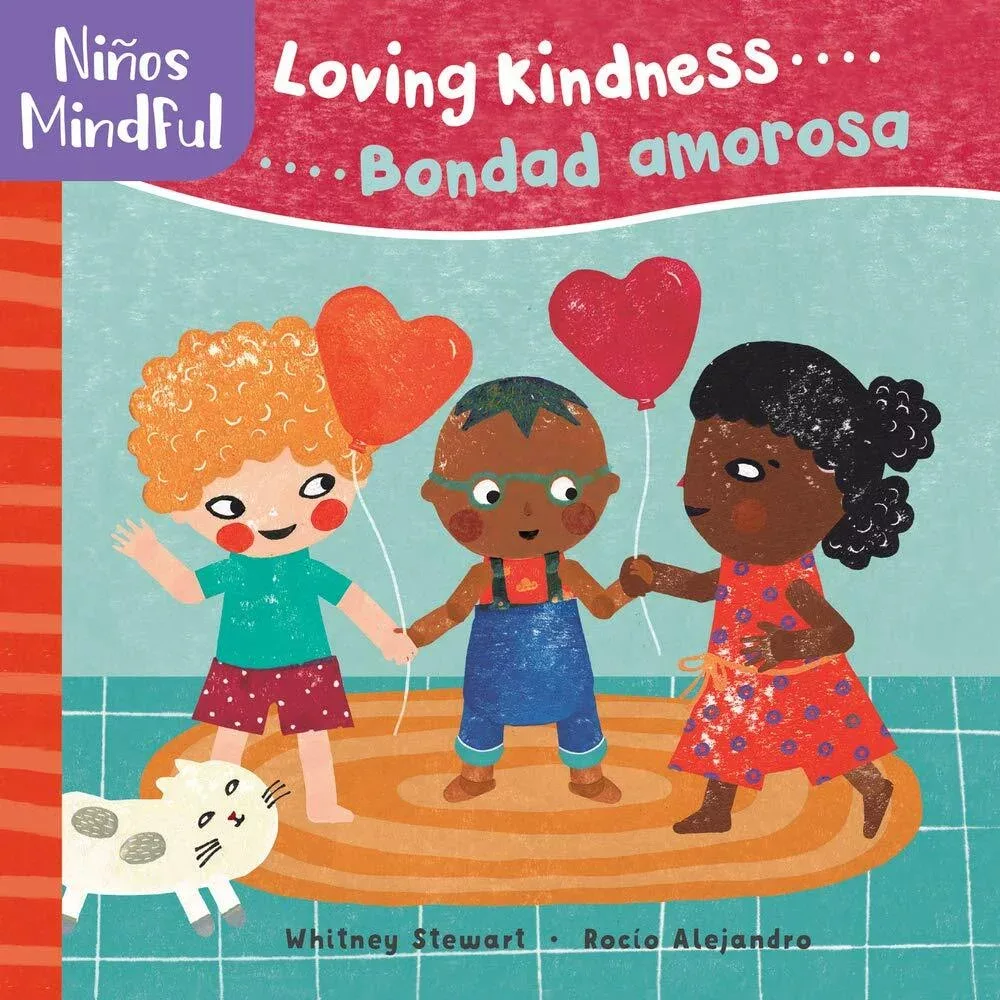
Niños Mindful: Loving Kindness / Amabilidad Amorosa
Age range: 2-5 years
Format: Bilingual
This story introduces simple Spanish phrases that promote empathy, connection, and calm—ideal for parents building slow, meaningful bilingual moments, especially with quieter kids.
Why it works: The phrases are short, repetitive, and emotionally resonant. Because books that help kids feel safe are often the books that help them speak more freely, this one builds confidence for both parent and child.
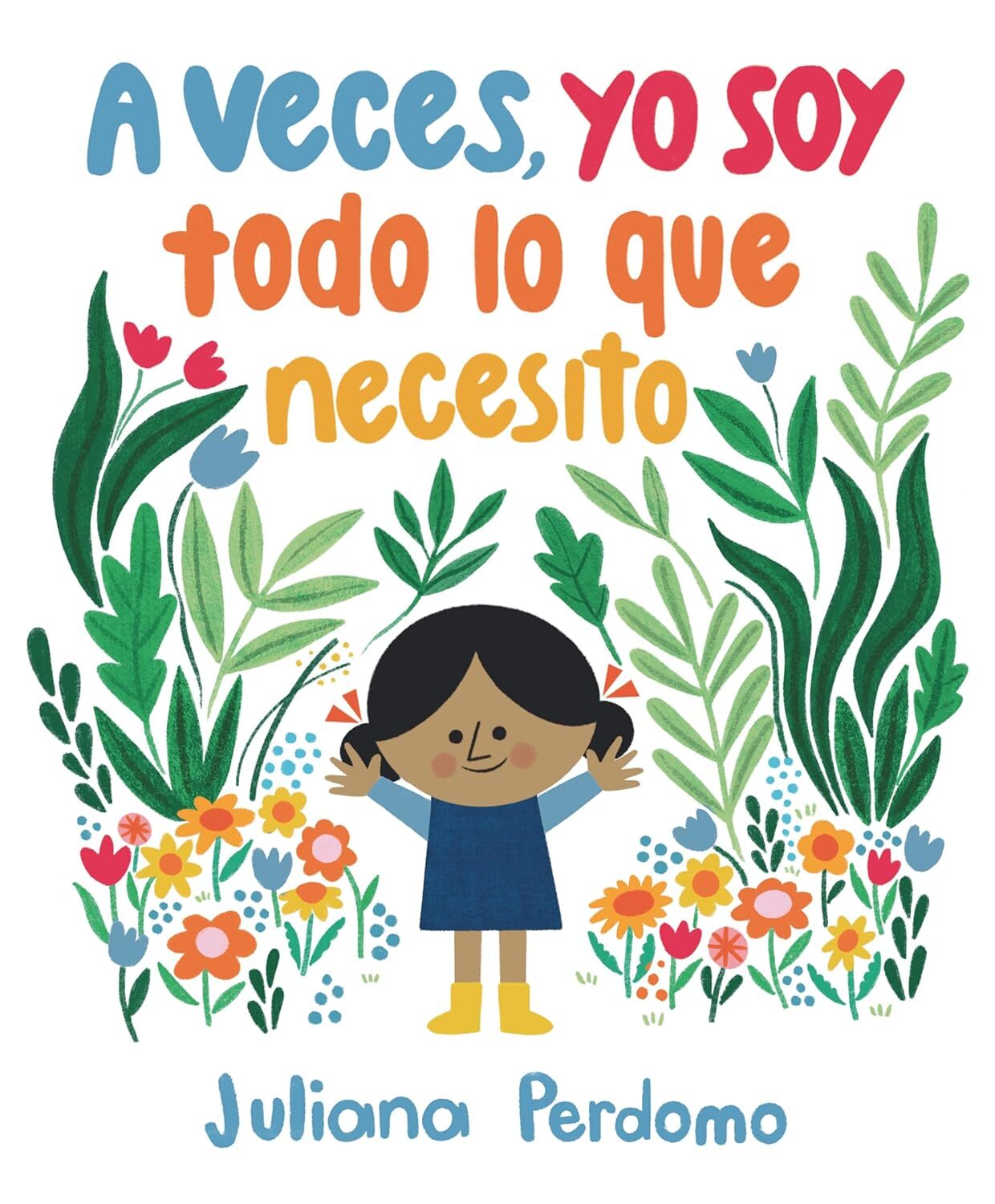
A veces, yo soy todo lo que necesito
Age range: 3-6 years
Format: Spanish-only
A beautiful affirmation of self-worth with gentle repetition and empowering language that helps little ones explore big feelings with confidence.
Why it works: Simple, repetitive phrases build your confidence while teaching emotional vocabulary your child will actually use. The affirmation structure makes it easy to read aloud even if you're still building fluency, and the straightforward language helps you focus on connection rather than pronunciation.
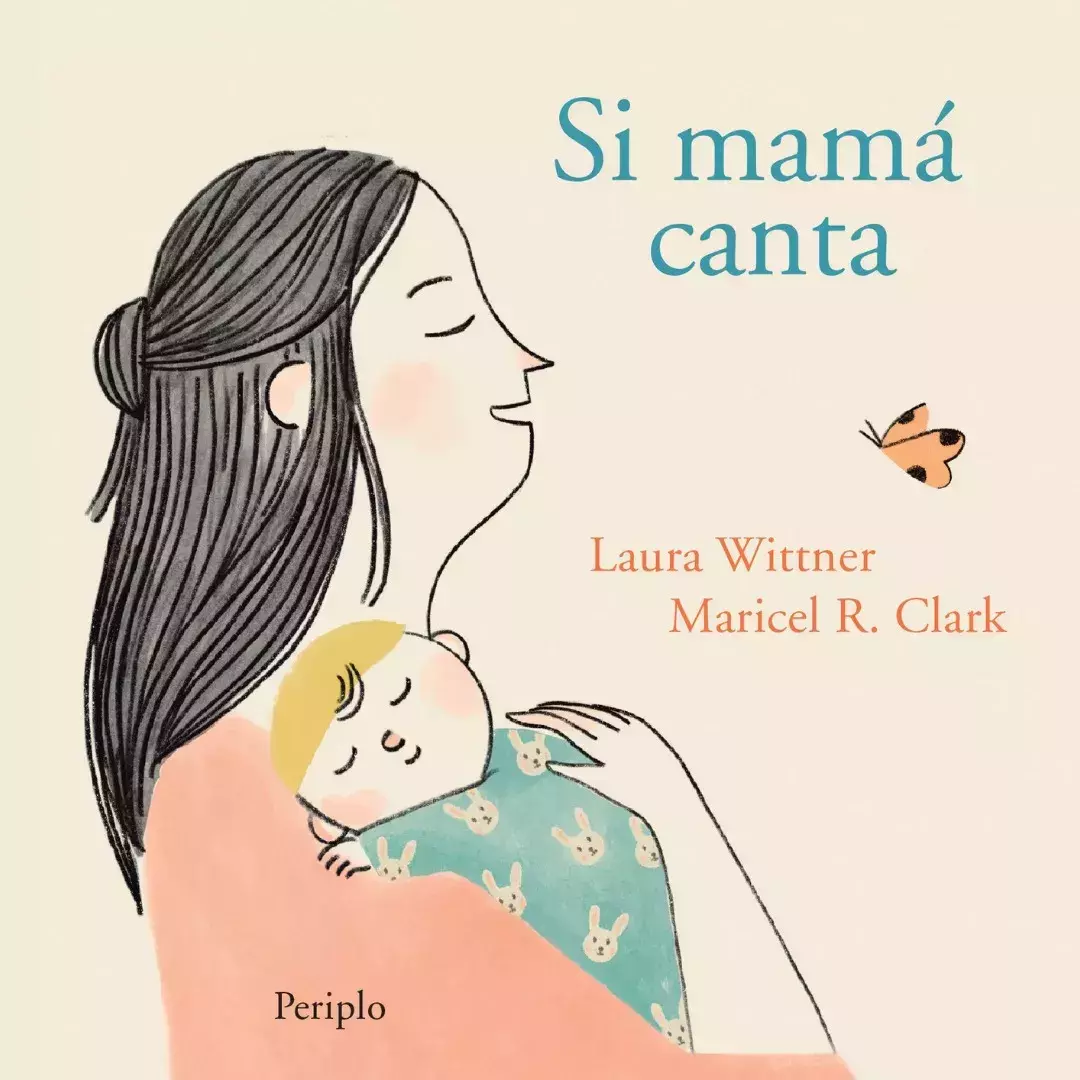
Si Mamá Canta
Age range: 0-4 years
Format: Spanish-only
When mamá sings, everything feels right. A warm and rhythmic en español story that celebrates the healing power of song, family, and togetherness.
Why it works: The rhythmic, poetic text flows naturally and is easy to read aloud even if your Spanish is rusty. The repetition and melody make pronunciation feel less intimidating—you're almost singing, not reading.
3. When They Understand But Won't Speak Spanish Back
The challenge:
You read in Spanish. You speak in Spanish. Your child clearly understands—they follow instructions, laugh at jokes, point to the right pictures.
But they respond in English. Every time.
This is called the "silent period" in bilingual development, and it's completely normal. Comprehension comes first. Production comes later. Your child is absorbing Spanish even if they're not speaking it yet.
But that doesn't mean you can't help them move toward output.
What works:
Books that create low-pressure opportunities for participation—not forced speech, but natural invitations to engage.
You want:
- Call-and-response structures - Questions built into the story: "¿Qué ves?" "¿Dónde está?" "¿De qué color es?"
- Counting, naming, pointing - Simple tasks that let them participate without full sentences
- Songs or chants - Repetitive phrases they can join in on
The insight: You're not forcing speech. You're creating openings where Spanish feels natural to use.
Books to try:
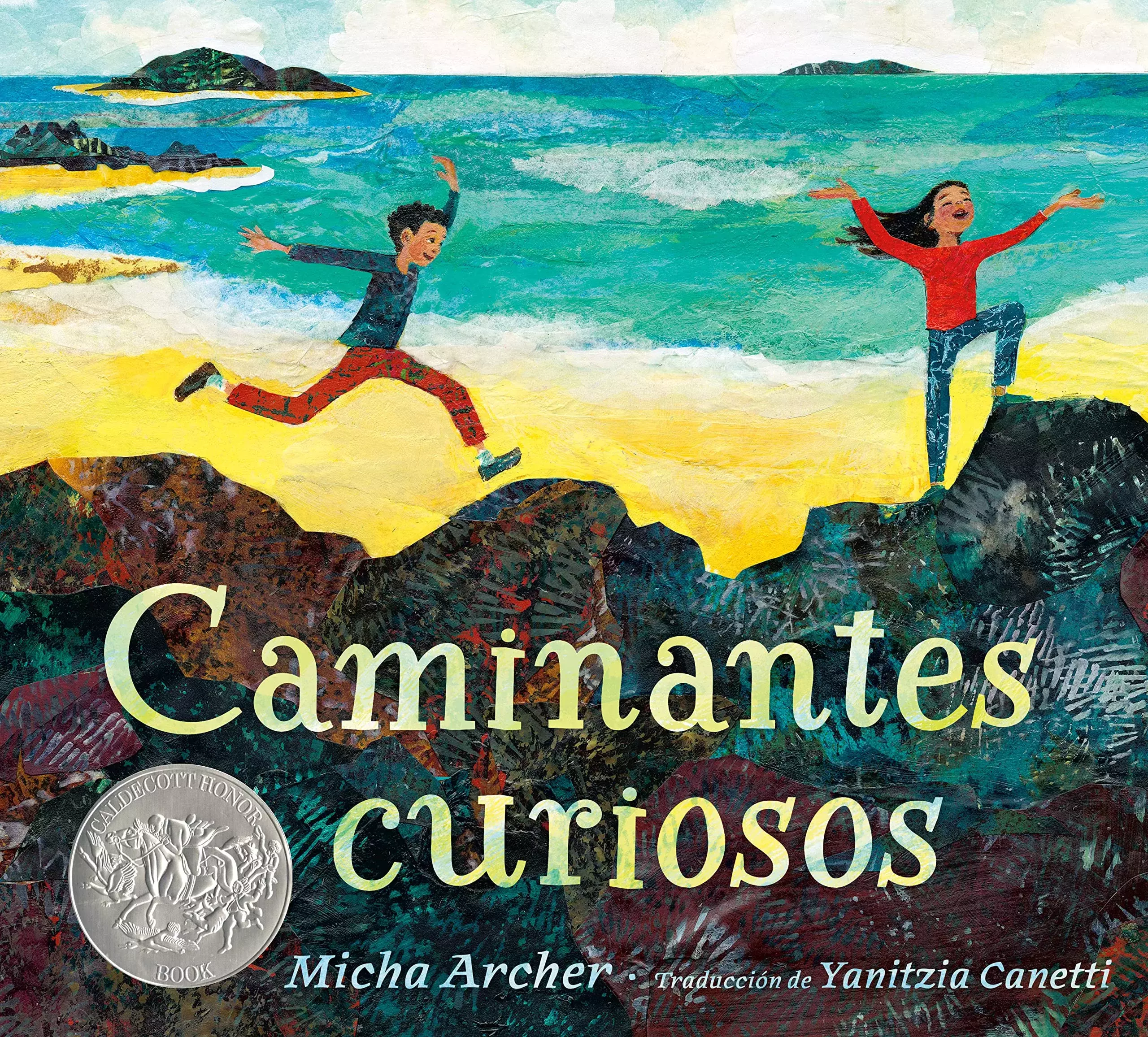
Caminantes Curiosos
Age range: 3-7 years
Format: Spanish-only
A Caldecott Honor-winning collage that brings the wonders of the natural world to life through detailed illustrations that practically beg children to point and name what they see.
Why it works: The rich visual details create natural opportunities to name things—trees, birds, flowers—without pressure. "¿Qué ves?" becomes an invitation, not a test. Perfect for the silent period because comprehension comes first, and the gorgeous illustrations do half the work for you.

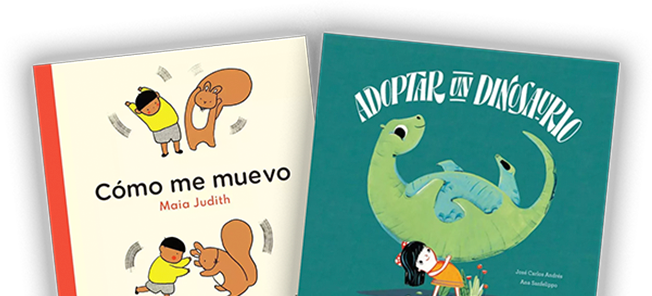
¿Cómo Me Muevo?
Age range: 0-3 years
Format: Spanish-only
With bold illustrations and playful prompts, this board book invites young readers to think, move, and engage—body and brain.
Why it works: For little ones still finding their voice, this is a beautiful way to say: you don't have to sit still to speak up. Actions, gestures, and simple Spanish responses all count as participation.

Papá Dice
Age range: 0-3 years
Format: Bilingual
Bold illustrations and playful prompts make this board book perfect for interactive reading with call-and-response opportunities.
Why it works: The question-and-answer format naturally invites kids to respond. Even simple answers like "¡Sí!" or naming an animal count as Spanish output.
4. When Spanish Feels Like "School" Not "Fun"
The challenge:
Somewhere along the way, Spanish started feeling like an obligation. Like homework. Like something they have to do, not something they want to do.
This happens when Spanish only shows up in "learning" contexts—flashcards, worksheets, "repeat after me" drills. Or when adults get too serious about it, correcting every mistake, turning storytime into a lesson.
Kids don't need Spanish to be educational. They need it to be joyful.
When Spanish = fun, they come back for more. The language becomes the vehicle for joy, not the barrier to it.
What works:
Books that are pure delight—humor, silliness, adventure, surprise. Books that make them laugh out loud. Books where the story is so good they forget they're "learning."
You want:
- Stories that make them laugh - Silly scenarios, funny characters, unexpected twists
- Characters doing ridiculous things - The more absurd, the better
- Books YOU genuinely enjoy reading - Your enthusiasm is contagious
The insight: When Spanish is the language of fun, it stops feeling like work.
Books to try:
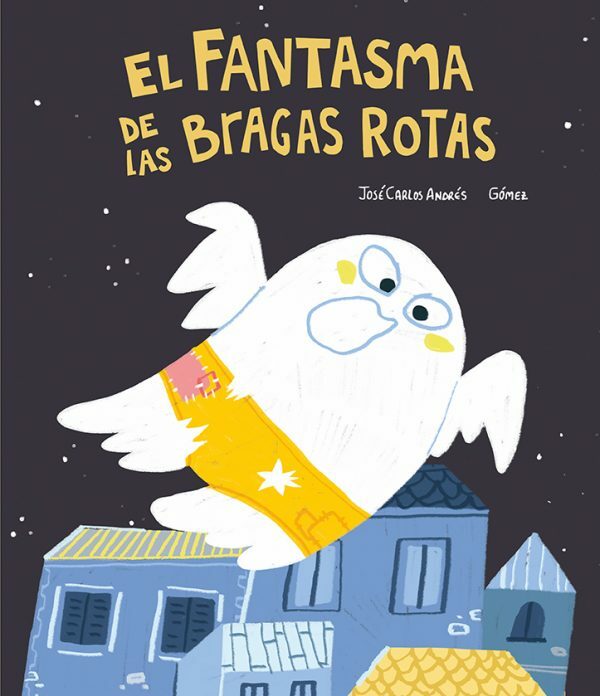
El Fantasma de las Bragas Rotas
Age range: 3-6 years
Format: Spanish-only
Yes, it's got a silly title. That's the point. This ghost story—comedy hybrid is designed to make kids laugh out loud—which is exactly what shy learners often need to break through language hesitation.
Why it works: Expect giggles, side glances, and "otra vez" the moment you finish. Kids will want to read this one again and again, making Spanish feel like the language of fun, not obligation.
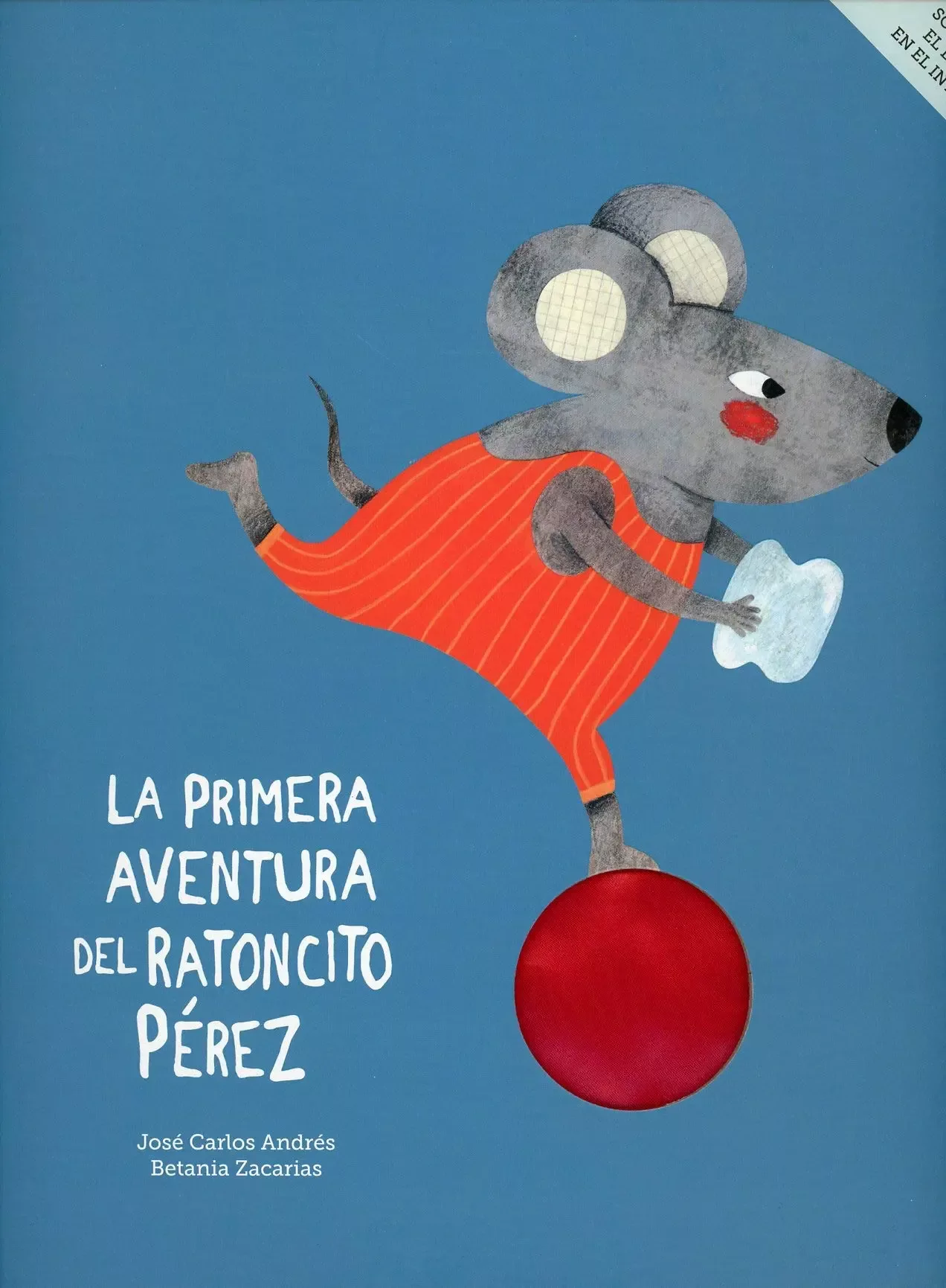
La Primera Aventura del Ratoncito Pérez
Age range: 3-6 years
Format: Spanish-only
As a child, I absolutely loved the story of a little mouse (no, not Mickey Mouse!) sneaking into my room in the middle of the night and exchanging my teeth for money. This updated, highly imaginative take is a firm favorite since our little one has just lost their two front teeth in our casita!
Why it works: The Ratoncito Pérez is a culturally beloved character, and this imaginative story brings magic and excitement to Spanish reading. Kids get swept up in the adventure.
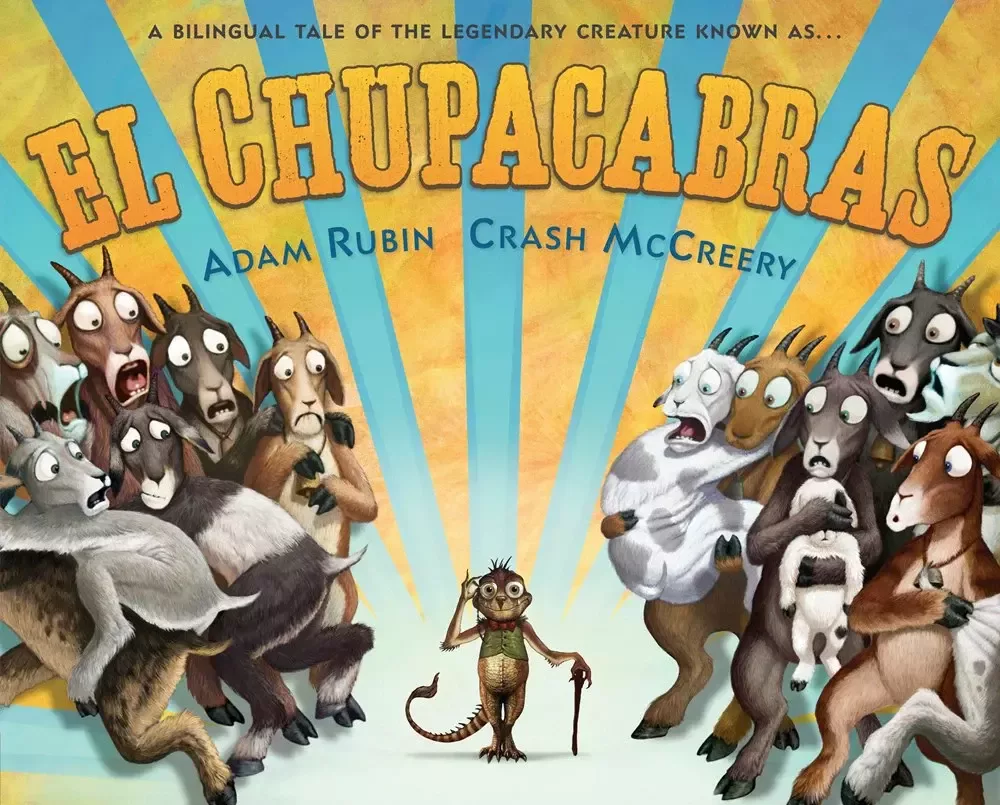
El Chupacabras
Age range: 3-6 years
Format: Bilingual
A fantastic read for those who adore Dragons Love Tacos (and an excellent introduction to another gem by the same author for the little ones). It's also a comedic spin on the cryptozoological creature known in parts of Latin America as El Chupacabras.
Why it works: The humor, the legendary creature, and the playful storytelling make Spanish feel exciting and fun rather than like a task.
5. When You Want Them to Remember the Words
The challenge:
You read a Spanish book once. Maybe twice. Your child seems engaged. But a week later, they don't remember any of the words.
Here's the thing about language acquisition: repetition is everything.
Kids need to hear words multiple times—in multiple contexts—before those words stick. One read isn't enough. Five reads might not be enough. Some kids need to hear a word 20+ times before it becomes part of their active vocabulary.
This means you need books worth reading over and over and over again. For both of you.
What works:
Books you can tolerate reading 100 times without losing your mind.
You want:
- Stories with layers - You notice new details on each re-read (visual jokes, background details, subtle humor)
- Vocabulary that shows up in real life - Words they'll actually use: comida, agua, zapatos, cansado
- Books that don't make you want to hide them - Seriously. If you hate it, you won't read it enough for the words to stick.
The insight: Repetition is how language sticks. Pick books you can handle repeating endlessly.
Books to try:
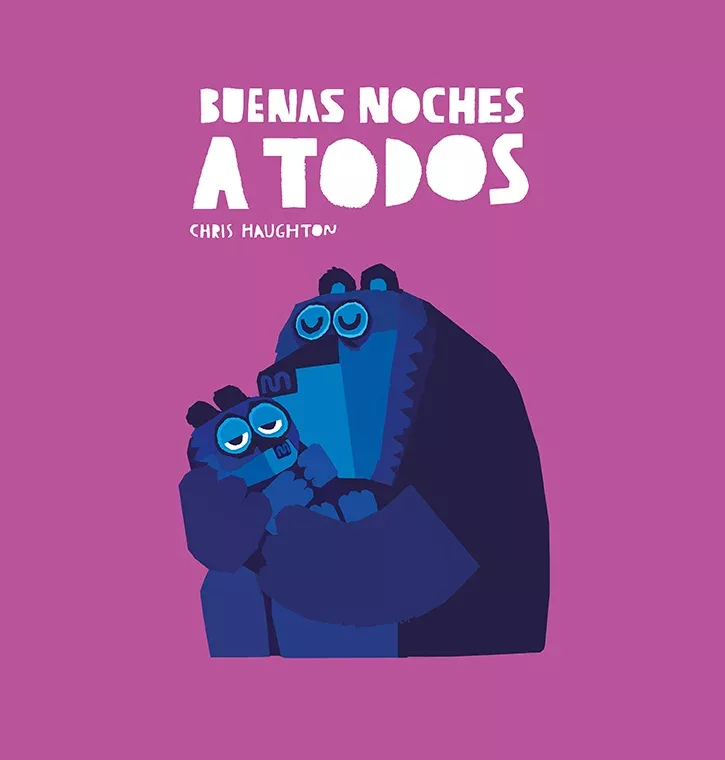
Buenas Noches a Todos
Age range: 0-3 years
Format: Spanish-only
This makes for a wonderful bedtime story as your little one is sure to catch the yawning bug. We enjoy saying buenas noches to our cuddly toys for an extra touch of bedtime fun.
Why it works: Repetition at bedtime = vocabulary that sticks. The yawning, the routine, the ritual—it all reinforces the same Spanish phrases night after night.
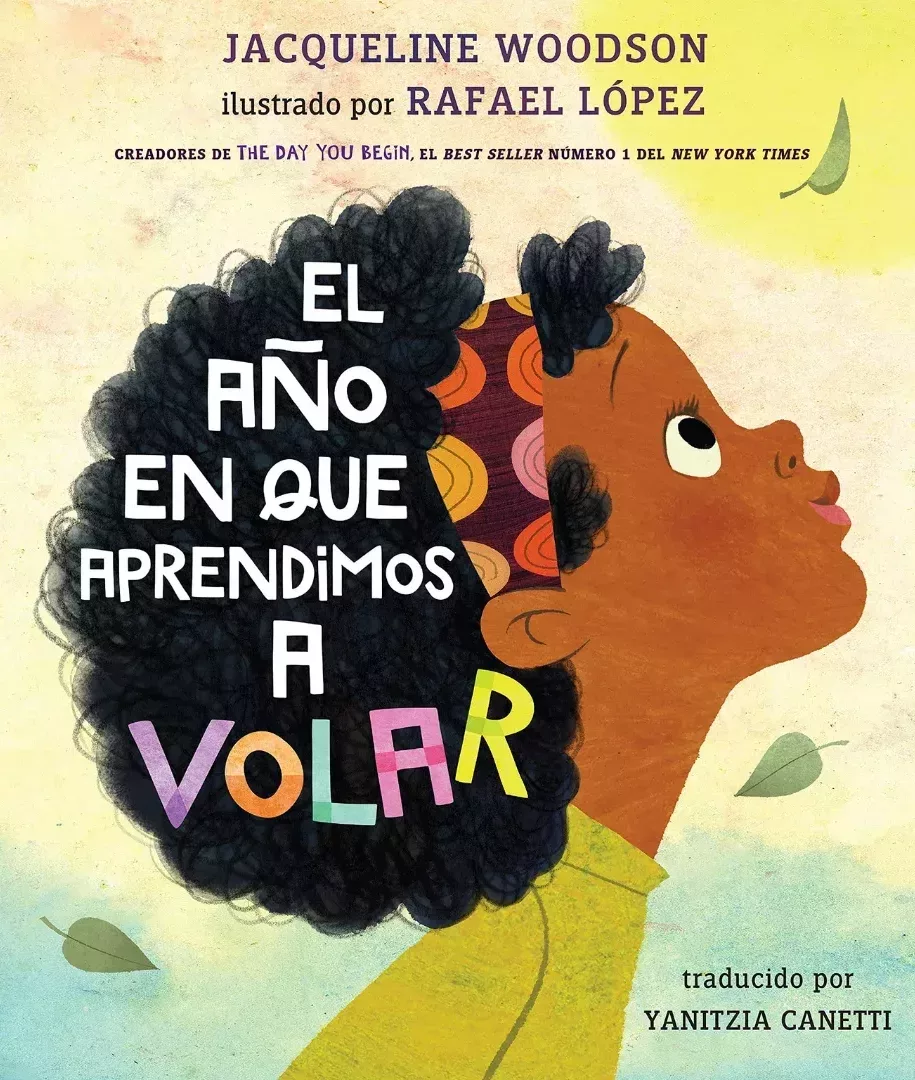
El año en que aprendimos a volar
Age range: 5-8 years
Format: Spanish-only
When siblings are stuck inside and bickering, their grandmother teaches them to use their "beautiful and brilliant minds" to soar above difficult moments—a metaphor that deepens with every reading.
Why it works: The story has enough depth that you'll read it 100 times and still discover new layers. Vocabulary about emotions, imagination, and family relationships shows up every single day in real conversations. From the award-winning duo behind El día en que descubres quién eres.

Naciste Para Mí
Age range: 0-3 years
Format: Bilingual
A heartwarming tale from a papá's perspective about the joy and wonder of welcoming a new baby into the family.
Why it works: Beloved baby books get read hundreds of times. The emotional connection and repeated readings mean vocabulary naturally sinks in without effort.
Pro tip: When your child asks for the same book for the 47th time, they're not being annoying—they're learning. That repetition is exactly what their brain needs to lock in the language.
The Takeaway: It's Not About Having More Books. It's About Having The Right Books.
Raising bilingual kids isn't just about reading Spanish books.
It's about having the right Spanish books for the specific challenges bilingual families face.
- Books that work when they resist
- Books that work when your Spanish is rusty
- Books that work when they won't speak back
- Books that make Spanish feel like joy, not homework
- Books worth reading 100 times (for both of you)
That's what we think about when we curate Sol Book Box—not just "good books in Spanish," but books that solve the real friction points of bilingual reading.
We've read thousands of books. We know which ones hold a toddler's attention when they'd rather grab the English book. We know which ones flow easily even when your accent isn't perfect. We know which ones create those magic moments where a kid suddenly says a Spanish word unprompted.
You don't have to figure this out alone.
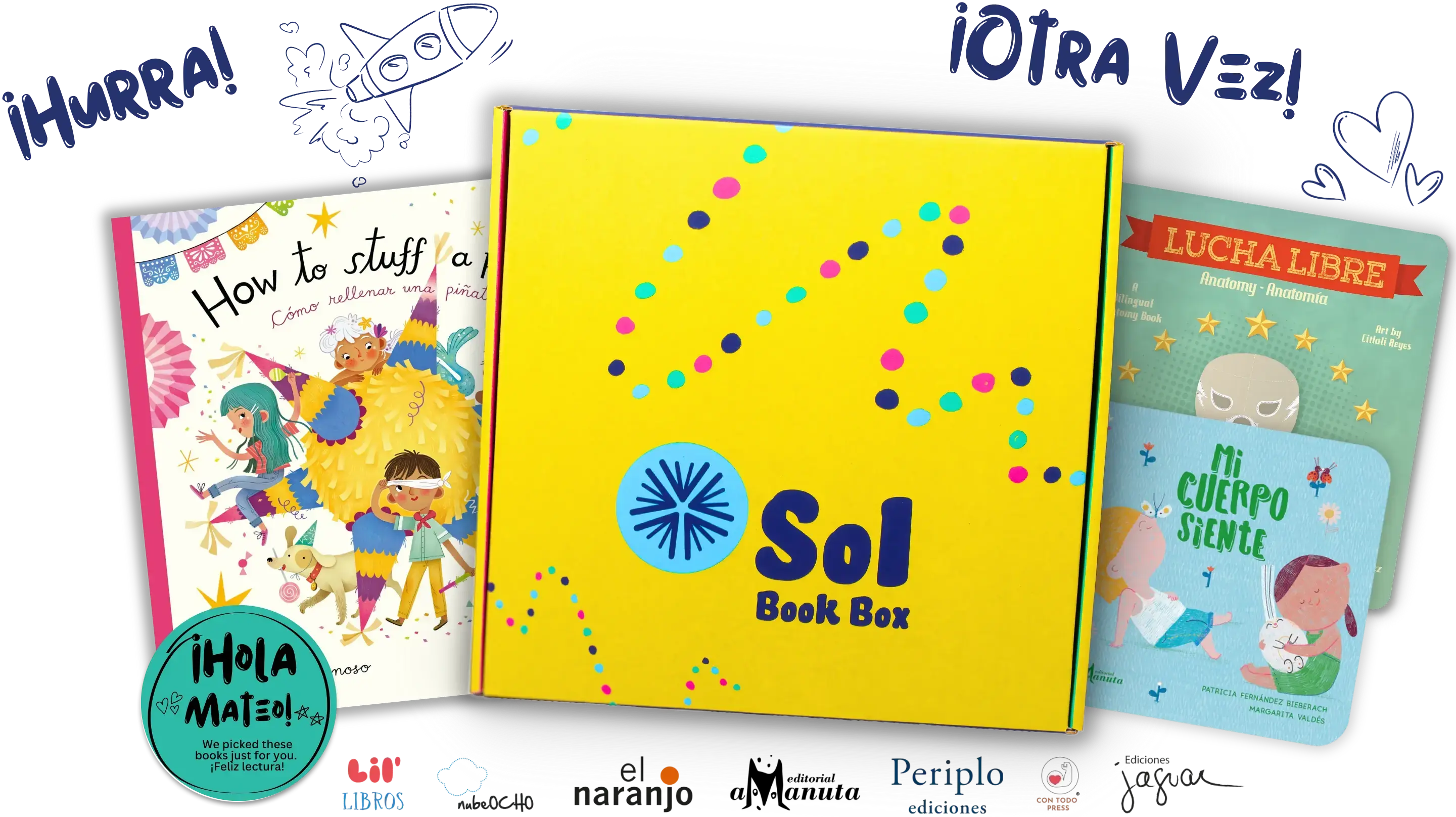
Every month, we send 3 carefully chosen Spanish books to your door—books selected specifically for the age, stage, and challenges your family is facing.
No research. No guessing. No wondering if you picked the "right" one.
Just open the box and read.
[Explore Sol Book Box subscriptions →]
Before You Go: Bookmark This Guide!
Save this post. The next time you're stuck in one of these moments—resistance, hesitation, silence, boredom, repetition—come back here.
You'll know exactly which type of book to reach for.
And if you want to make sure you always have the right books on hand? That's what we're here for.