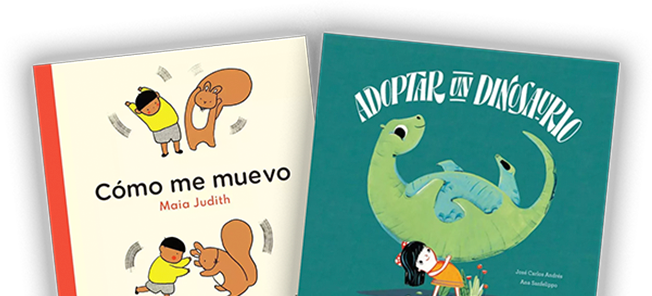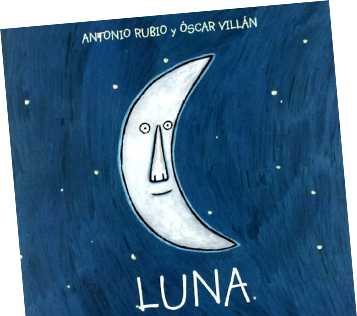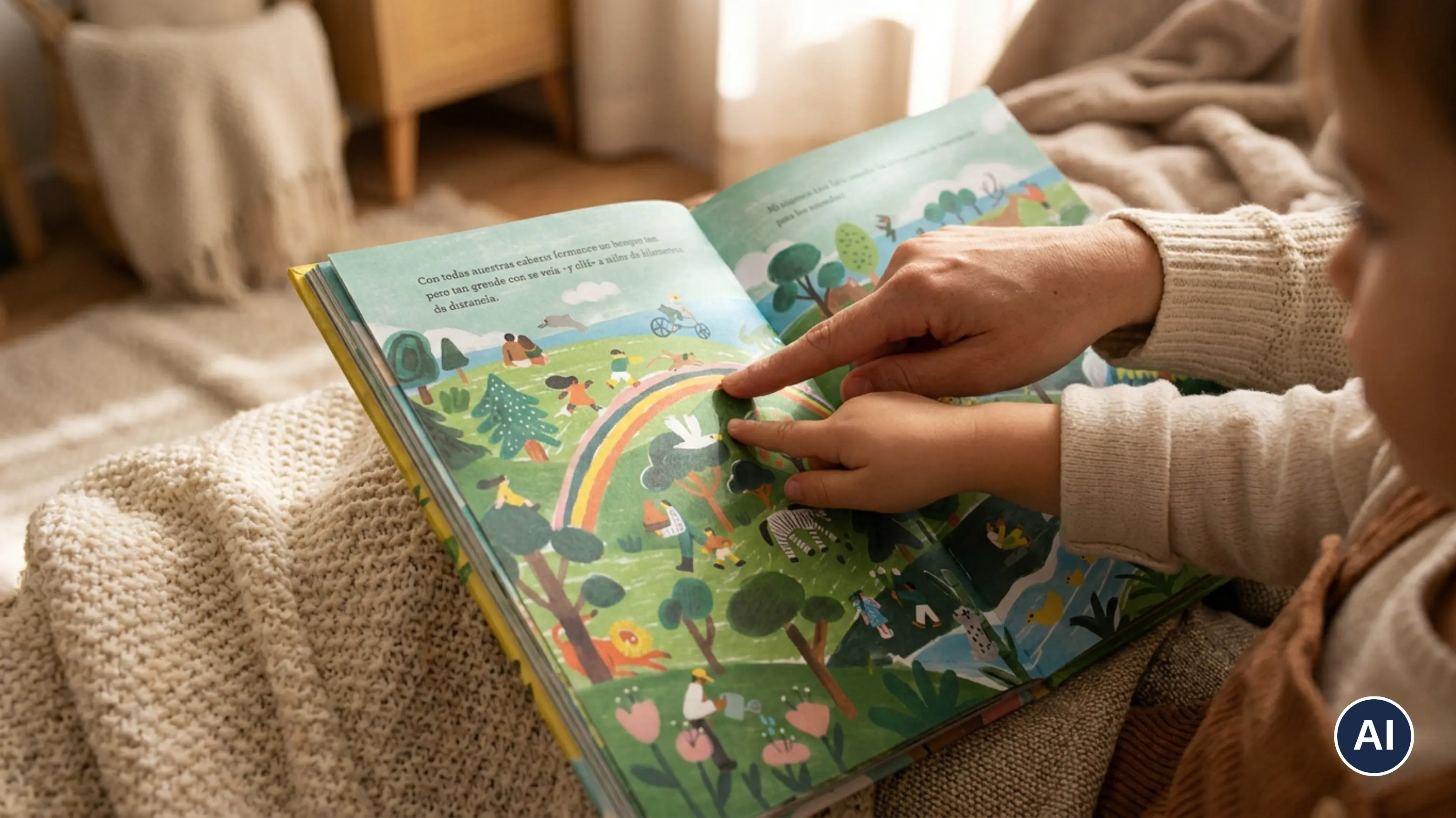
One of the most surprising things about reading aloud in a second language is that the less you explain, the more your child takes in.
It runs counter to the instinct most of us bring to bilingual reading. The Spanish word arrives, the parent translates it into English, and the child gets both — the new word and the meaning, served together.
The research says it works the other way around.
Children learning a second language build the most durable understanding when the new word lands with the meaning attached, NOT next to a translation. The picture in the book is doing translation work that English narration actually interferes with.
When you read a Spanish word and point to what it shows, your child's brain is doing something specific: binding the sound directly to the thing. When you read it and then add the English, the brain takes a longer path: it stores the Spanish word as a label for the English word, instead of for the thing itself.
Get libros your child will ask for again & again.
Cancel anytime. We'll swap any book you already own.
The two-step problem
Cognitive scientists call this the difference between direct and mediated meaning. In direct meaning-making, the new word and the referent connect to each other without an intermediate stop. The brain builds a clean association: this sound means this thing. The picture is what makes this possible — illustrations carry the meaning that words alone couldn't, especially for a child who doesn't yet have the vocabulary.
In mediated meaning-making, the new word has to travel through the dominant language first. Perro → dog → the picture of the dog. Three steps instead of one. The brain still gets there, but the connection it builds is weaker, slower to retrieve, and more dependent on the dominant language to function. The Spanish word becomes a footnote rather than a primary entry.
This is why second-language acquisition research has been pointing in the same direction for forty years. Stephen Krashen's "comprehensible input" hypothesis, developed in the 1980s and supported by decades of subsequent research, argues that languages are acquired most effectively when meaning is bound directly to the new language — through gesture, image, tone, context — rather than through translation into a language the learner already knows.
Patricia Kuhl's "social gating" research at the University of Washington has shown that the same principle holds for infants: live, contextual exposure produces phonetic learning that translated exposure does not.
Picture books are an unusually clean version of this. The illustration is right there, paired with the word, doing the meaning-making work the brain wants to do. No translation required. No mediation needed. The book was designed for this — even when the original author didn't have bilingual readers in mind.
What this looks like in practice
The first time most parents try not-translating, it feels uncomfortable. You read the Spanish sentence, you pause, and you don't say the English version. The pause feels wrong. You worry the child didn't catch it. You feel like you're failing to deliver the information.
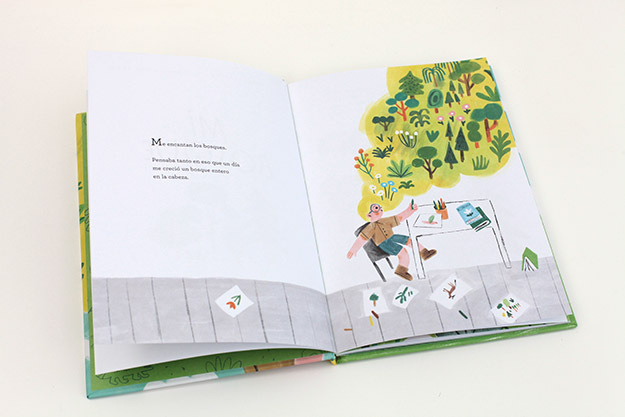
Take a book like Mi Bosque, (seen above, featured in our May book boxes). The story begins with a girl growing a forest on top of her head — first plants, then trees, then animals, then other people arriving to live there. You don't need to translate bosque on the first page, because the bosque is growing right out of the girl's head. The image is the word.
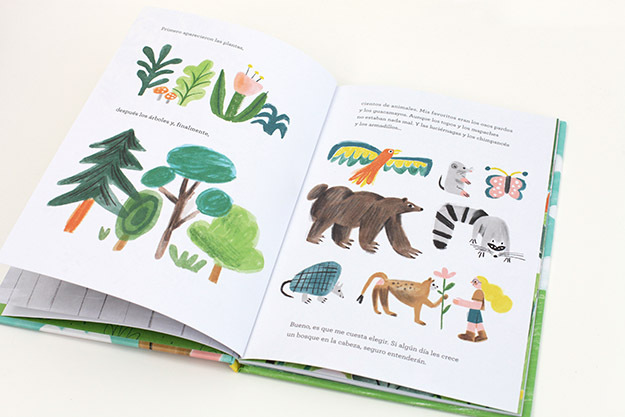
A few pages later, a bear, a raccoon, and a butterfly appear together on a spread — un oso, un mapache, una mariposa— each one unambiguously drawn, each one paired with its name. You can read the Spanish, point to the animal, and stop. The transaction is complete. Your child has bound the sound to the thing without ever needing the English word.
This is how the post-translation reading experience actually goes. It's not silence. It's not withholding. It's the parent letting the book do what the book was built to do.
A few things help when you're getting used to it.
Trust the picture. The illustration is the translation. If the page shows a forest and you read bosque, your child is making the connection — even if they don't say anything, even if their face doesn't change. The work is happening. Visible comprehension always lags behind actual comprehension, especially in a non-dominant language.
Use your voice and your finger. Point to what the word names. Vary your tone — louder for emphasis, slower for new vocabulary, sing-song for animals or characters that show up repeatedly. These are the channels the brain uses to make meaning when translation isn't available, and they're more effective than parents usually realize.
Don't worry about every word. A child doesn't need to understand every word on the page to extract meaning from the story. They need enough — the picture, the rhythm, the words they already know — to follow the gist. The unknown words will resolve themselves over multiple readings.
How to tell it's working
The hardest part of not-translating is trusting comprehension you can't verify. Your child isn't going to say "yes, I understood that perro means dog." They're going to keep listening, and the evidence will come sideways.
Look for these:
They turn the right page when prompted. If you say "¿dónde está el oso?" and your child flips to the page with the bear, they understood oso.
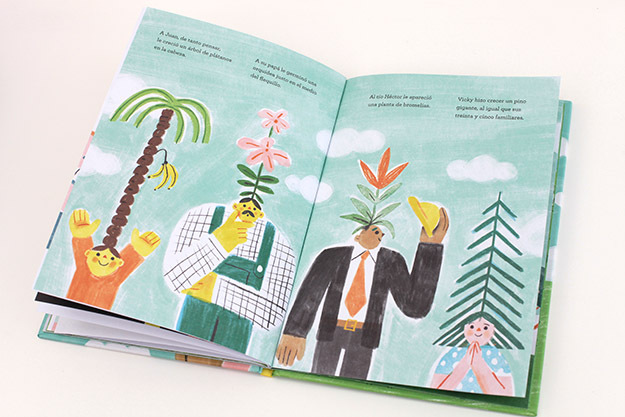
They laugh at the right moment. Humor requires understanding what's happening. A child who laughs at the businessman with a tree growing out of his suit is tracking the joke — and the language carrying it.
They reach for the book. Children don't repeatedly choose books they don't comprehend. If your child keeps bringing you the same Spanish book, they're getting something from it — and that something is meaning.
They start mouthing the words. After enough readings, a child will sometimes mouth or whisper the repeated phrases of a Spanish book. That's not memorization. It's prediction — the brain anticipating language structure it has internalized. It's the strongest possible signal that comprehension is happening underneath.
None of these require the child to produce Spanish. All of them indicate that Spanish is being absorbed. This is the data you're working with when you stop translating.
What about when they ask?
A reasonable question: what do you do when your child asks "what does that mean?"
The answer isn't to refuse to translate ever. Translation isn't poison — it's just not the reading mechanism. If a child asks a direct question about a word, you can answer it. The point isn't to withhold meaning. The point is that translation shouldn't be the default mode during reading itself.
A few moves that work:
Try pointing first. "Look, see the oso? He's right there." The picture answers the question. If your child wants more, they'll ask again.
Answer briefly and return to the book. If they want the English, give it once, then keep reading in Spanish. The translation becomes a quick footnote, not the reading experience.
Save the conversation for after. Some children want to discuss the book in English when it's over — what happened, what their favorite part was, what bosque means. That's fine. The Spanish reading and the English conversation can both exist; they just shouldn't happen in the same breath.
The takeaway
The picture book was always doing more work than you thought. It was carrying meaning, scaffolding comprehension, and giving your child a direct path to the new language that translation can't replicate.
The most useful thing you can do during a Spanish reading is sometimes the least active. Read the Spanish. Point to the picture. Let the meaning land where it's supposed to.
Your child is doing more with what you're reading than they're showing you. The less you interrupt that, the more lands.