Trabalenguas are short, rhythmic phrases that repeat the same sounds until your tongue trips over itself. The word means “tongue-tangler”: trabar is to jam or lock, and lengua is tongue.
Kids love them for the same reason they love silly songs. They’re short, they’re a little ridiculous, and getting one right feels like winning. For a parent or a teacher, the good part is that all that repetition lets a child focus on how a word is made. Meaning can wait.
Every one below is a traditional trabalenguas, the kind a Spanish-speaking grandparent would recognize.
On this page
Why trabalenguas work
Easy ones to start with
The rolled r
Trickier combinations
The two hardest
Regional versions
How to practice at home
For teachers
From twisters to books
A two-week starter plan
Why trabalenguas work
There’s some evidence behind the instinct. A 2026 study in Frontiers in Education worked with 341 children aged 3 to 5 across eleven public early-childhood schools in Ibarra, Ecuador. Over three months, three sessions a week, teachers used rhymes, chants and trabalenguas together, and the children’s oral-language scores rose, with the largest gains in verbal fluency, phonological development and pragmatic skills. Two caveats, plainly: the study had no control group, so the authors describe their results as change associated with the program and stop short of saying it caused the change; and the trabalenguas were never tested on their own. What makes it interesting for a Spanish-speaking household is that the children in it were learning in Spanish.
Easy ones to start with
These are built from words many children already know, and they’re short enough to finish in one breath. The translations play loose, because trabalenguas rarely survive a word-for-word crossing.
Mi mamá me mima mucho.
My mom spoils me a lot.
Practices m and open vowels.
El bebé bebe bebidas.
The baby drinks drinks.
Practices the soft Spanish b.
Pablito clavó un clavito, un clavito clavó Pablito.
Pablito nailed a little nail, a little nail Pablito nailed.
Practices the cl and bl clusters, and the second half mirrors the first.
Si Pancha plancha con cuatro planchas, ¿con cuántas planchas plancha Pancha?
If Pancha irons with four irons, with how many irons does Pancha iron?
Practices pl and ch, and it’s a question, so a child can answer it.
Como poco coco como, poco coco compro.
Since I eat little coconut, I buy little coconut.
Practices c, p and the short o.
Compré pocas copas, pocas copas compré, como eran pocas las copas, pocas copas pagué.
I bought few cups, few cups I bought; as the cups were few, for few cups I paid.
Practices p and c at a steady pace.
If you’re learning alongside your child, here’s a rough guide to “Pablito clavó un clavito”: pah-BLEE-toh klah-VOH oon klah-VEE-toh. In Spanish, b and v make the same soft sound, with the lips barely touching. If that feels strange, you’re in good company. It’s a sound English speakers tend to over-pronounce, and “El bebé bebe bebidas” gives you three words of practice at it.
The rolled r
The Spanish r is the sound families ask about more than any other, and there are two of them.
A single r in the middle of a word is a quick tap of the tongue, close to the middle of the American English word “butter.” The double rr, or an r at the start of a word, is a trill: the tongue vibrates against the ridge just behind the top teeth.
The difference changes the meaning. Pero is “but.” Perro is “dog.” A trabalenguas is a gentler way to practice that than a lecture.
Erre con erre guitarra, erre con erre barril, rápido ruedan los carros por los rieles del ferrocarril.
R with R, guitar; R with R, barrel. Fast roll the carts along the rails of the railroad.
The one most families learn first. You’ll also hear it with cigarro in place of guitarra, and with the carts loaded with sugar — same twister, older wording.
El perro de San Roque no tiene rabo porque Ramón Rodríguez se lo ha robado.
San Roque’s dog has no tail because Ramón Rodríguez stole it.
Trill, tap and the Spanish single r all in one line.
Tres tristes tigres tragaban trigo en tres tristes trastos en un trigal.
Three sad tigers swallowed wheat in three sad pots in a wheat field.
The most famous one there is, and the tr cluster never lets up.
Plenty of children don’t roll an r until five or six, or later. English-speaking kids are often still working on their own r sound at that age too, so a late trill is completely ordinary. Let your child play with the sound through car noises, motorboat lips and purring, and keep it silly. If you have real concerns about your child’s speech in any language, a speech-language pathologist is the person to ask.
Trickier combinations
Once the easy ones feel comfortable, these go after the combinations English speakers find hardest.
Pepe Pecas pica papas con un pico, con un pico pica papas Pepe Pecas.
Pepe Pecas chops potatoes with a pick, with a pick chops potatoes Pepe Pecas.
Good for the crisp Spanish p, which carries no puff of air.
Cuando cuentes cuentos, cuenta cuántos cuentos cuentas.
When you tell stories, count how many stories you tell.
Lovely for a house full of books.
En un juncal de Junquera, juncos juntaban Julián. Júntose Juana a juntarlos y juntos juntaron juncos.
In a reed bed in Junquera, Julián was gathering reeds. Juana joined him to gather them, and together they gathered reeds.
This is the one for the Spanish j, which sits further back in the throat than the English h. Júntose is old-fashioned phrasing that survives because the twister does.
El cielo está enladrillado, ¿quién lo desenladrillará? El desenladrillador que lo desenladrille, buen desenladrillador será.
The sky is covered in bricks; who will unbrick it? The unbricker who unbricks it will be a good unbricker.
Serious lip and tongue coordination, and the second half is where it bites.
The two hardest
For older children, or anyone who has run out of road above.
Pedro Pérez Pereira, pobre pintor portugués, pinta preciosos paisajes por poco precio para poder pasar por París.
Pedro Pérez Pereira, poor Portuguese painter, paints lovely landscapes cheaply so he can make his way through Paris.
Me han dicho un dicho que han dicho que he dicho yo. Ese dicho está mal dicho; si lo hubiera dicho yo, estaría mejor dicho que el dicho que han dicho que he dicho yo.
They’ve told me a saying that they say I said. That saying is badly said; if I had said it, it would be better said than the saying they say I said.

Regional versions
Trabalenguas come from all over Spain and Latin America, and many carry the speech of the place they came from. “Tres tristes tigres” turns up with tragaban in one house, comían in another and trillaron in a third. San Roque’s dog loses its tail to Ramón Rodríguez in most versions and to Ramón Ramírez in others. None of them is wrong. If your abuela or your child’s teacher says it another way, that’s your family’s version. For heritage households, this makes a lovely oral-history project: ask relatives which ones they grew up with, and record them.
How to practice at home
Five happy minutes beat a long, frustrating session.
Pick one sound and one twister, ideally something your child is curious about and can picture. Say it slowly first and let them repeat it. With three- to six-year-olds, rhythm and repetition matter more than getting it right. Break it into chunks: “Pablito / clavó / un clavito,” then the cla-cla-cla on its own, then a little faster. Add a gesture, because a hammer or an iron or a roar helps the sound stick. Draw it. Take turns, and keep the beat steady. One new trabalenguas a week, with a little collection growing on the fridge, keeps it feeling like a game.
Older children can invent their own. Pick a letter, brainstorm five words that start with it, and build the silliest sentence you can. A homemade trabalenguas is often the one a child remembers longest.
If there’s a native speaker nearby — a grandparent, a friend, a teacher — ask them to record one on a phone. A real voice carries the rhythm and melody that a printed line can’t.
For teachers
In a dual-language or Spanish classroom, trabalenguas make a strong morning warm-up, and they cost nothing to run.
Put a twister of the day on the board and do it chorally at half speed before anyone tries it alone. Judge on clarity, not speed: a race rewards the confident and silences everyone else, while “say it so we can hear every sound” keeps the shy speakers in. Pair students to check each other’s sounds; nobody needs a stopwatch. Rotate the target sound across the week so the trill isn’t the only thing anyone remembers.
Fifteen twisters is roughly three weeks of warm-ups at one a day, and the four tiers above already form a natural progression.
One more idea that travels well: ask students to bring in the version their family uses. A class list of regional variants makes a better display than a worksheet, and for ten minutes it puts the heritage speakers in the room in the role of expert.
From twisters to books
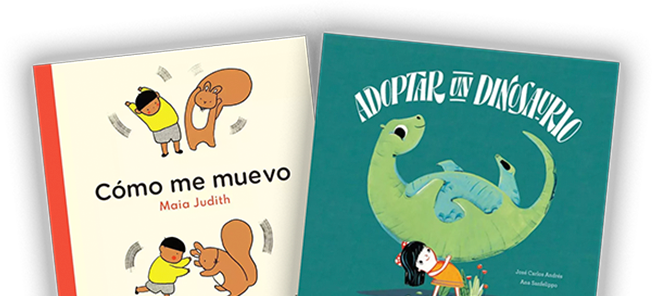
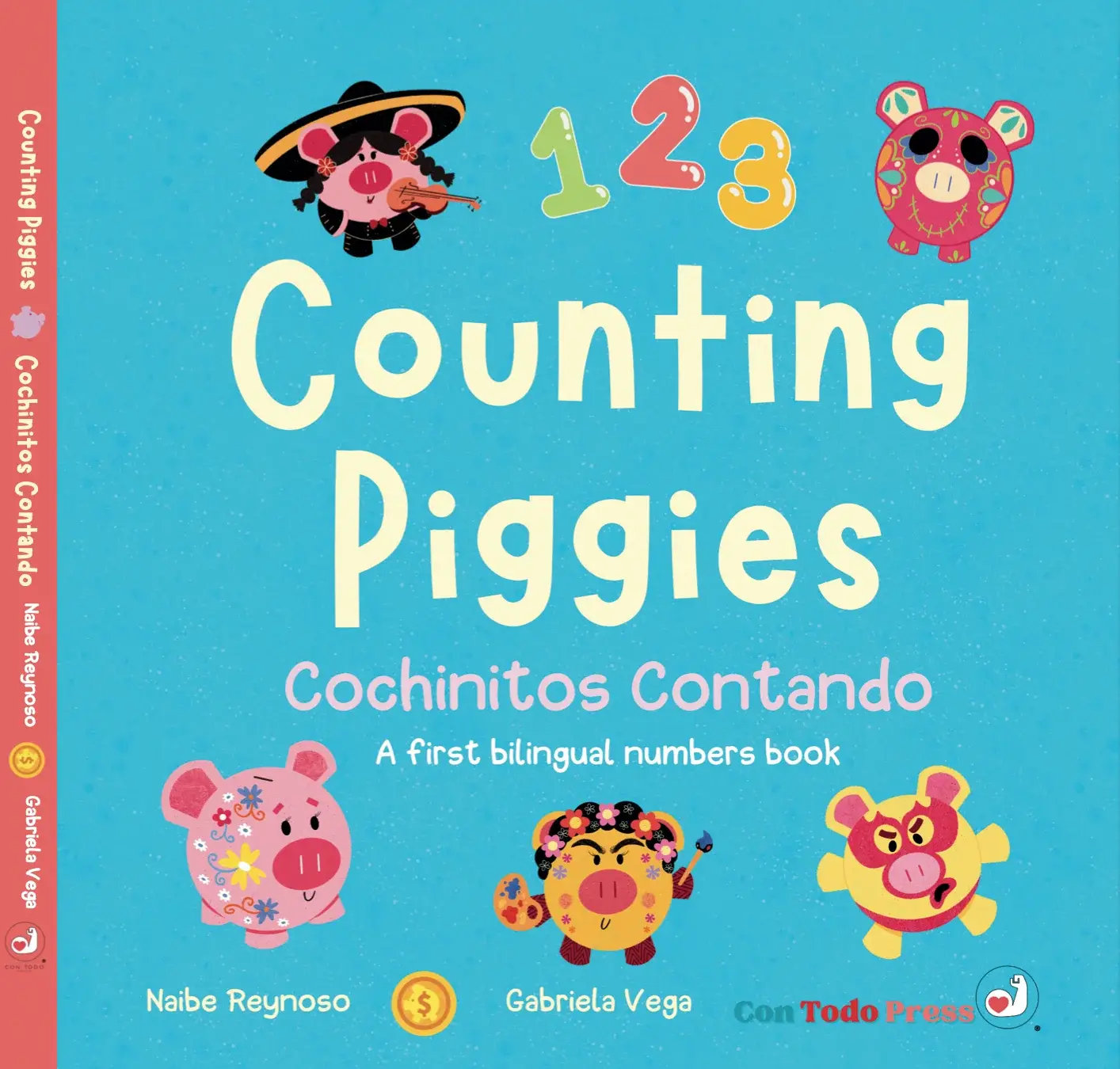
A trabalenguas is a few seconds of sound. A book is where those sounds live. When a child meets perro and carro and rosa in a story and then rolls them out loud, the words start to belong to them.
Read first, twist second. After a read-aloud, pick one repeated sound from the story and build a silly sentence around it. Hunt for sounds in the pictures, then string the finds together. Rhyme-heavy board books are good groundwork long before a child can manage a twister.
As for your accent, it doesn’t need to be perfect for any of this. Practicing alongside your child is its own kind of progress.
A two-week starter plan
Week one, playful and slow. Monday, “Mi mamá me mima mucho,” hug included. Tuesday, “Pablito clavó un clavito,” with the hammer. Wednesday, “El bebé bebe bebidas,” and a long drink of water after. Thursday, your child’s favorite so far, with them leading. Friday, draw the one they loved most.
Week two, add a challenge. Monday, “Si Pancha plancha con cuatro planchas,” and let them answer the question. Tuesday, “Tres tristes tigres,” slow, then slower, then silly-fast. Wednesday, “Erre con erre guitarra,” and hum the trill together. Thursday, invent one using your child’s name. Friday, perform the whole collection for a grandparent over video.
Celebrate the effort. A child laughing at their own tangled tongue is doing exactly what you hoped they’d do.
For more read-aloud Spanish to pair with all this, our gratitude roundup and our piece on how much Spanish a child needs to hear both sit close to it.
Build their Spanish bookshelf.