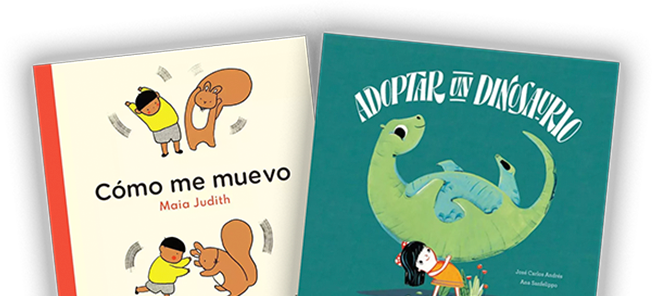
Ask a parent how much their child sleeps, and they can usually tell you to the half hour. Ask how many hours of Spanish that child hears in a week, and almost nobody knows. That’s a strange gap, because the second number goes a long way toward explaining how a child’s Spanish grows. It’s also easier to work out than it sounds. Mostly, it comes down to arithmetic.
On this page
The benchmark: about fifteen hours a week
Do the arithmetic on your own week
Why children understand Spanish before they speak it
What the research establishes
Half was never the target
Where the missing Spanish hours come from
The car
Video calls with relatives
Screen time in Spanish
Libros, and why they do more
A floor, and how to move it
The benchmark: about fifteen hours a week
People who work with bilingual families use a rough benchmark. Around 20% of a child’s waking hours in the minority language, which works out to about fifteen hours a week, is the floor they name for the language being acquired at all. For a child who actively speaks it, the number they cite moves closer to 30%.
Those figures deserve an honest label. They come from practitioners and from Barbara Zurer Pearson’s book for parents, and the people who use them say plainly that they are a working estimate, with nothing magic about them. The peer-reviewed research doesn’t name a percentage. What it does establish is that the quantity of input matters more than almost anything else, and that is the part to hold onto.
Still, the benchmark is useful, because it gives your own week something to measure against.
Do the arithmetic on your own week
Take a child who is awake twelve hours a day. That’s roughly 84 waking hours a week. Now add up the Spanish. One parent speaking Spanish through dinner is maybe five hours. A bedtime book in Spanish every night, read properly and talked about, is another two or three. Call it ten hours, and that’s a household doing a lot right. Ten hours, against a floor of fifteen.
Why children understand Spanish before they speak it
That gap is the thing nobody tells you about, and seeing it written down is usually more clarifying than discouraging. It also explains why so many children understand Spanish well before they speak it. The distance between the 20% floor and the 30% mark is the distance between a language being learned and a child using it out loud. Speaking is the expensive one.
What the research establishes
Here’s what the research is solid on. Barbara Zurer Pearson’s 2007 paper in Applied Psycholinguistics followed 25 children from bilingual families in Miami from before birth to age three, and set their results alongside Annick de Houwer’s survey of roughly 18,000 Flemish families. Its finding on input is blunt: the quantity of input has the greatest effect on whether a minority language will be learned. Children growing up with a minority language need a greater share of their input in that language than majority-language children need in theirs. And the effect appears to work like a threshold. There is a critical mass, and past it, more exposure stops making much difference.
In one study of trilingual children, parental input patterns accounted for 84% of the variation in which languages the children ended up using. That figure comes from the trilingual study, so treat it as a signal of how much input patterns matter. It isn’t a precise number for Spanish in the US.
Half was never the target
Now for the part that makes all of this manageable, and it comes from the same paper. Pearson observes that in a bilingual household, there is little chance that all or even half of the interactions will be in the minority language. Half was never the target. Nobody is failing by not reaching it. The job is clearing a floor of around fifteen hours, and that’s a different, far more reachable task than winning most of the day.
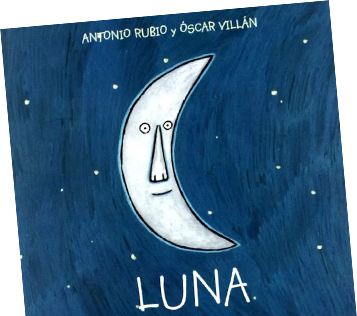
The libros they’ll ask for again tomorrow.

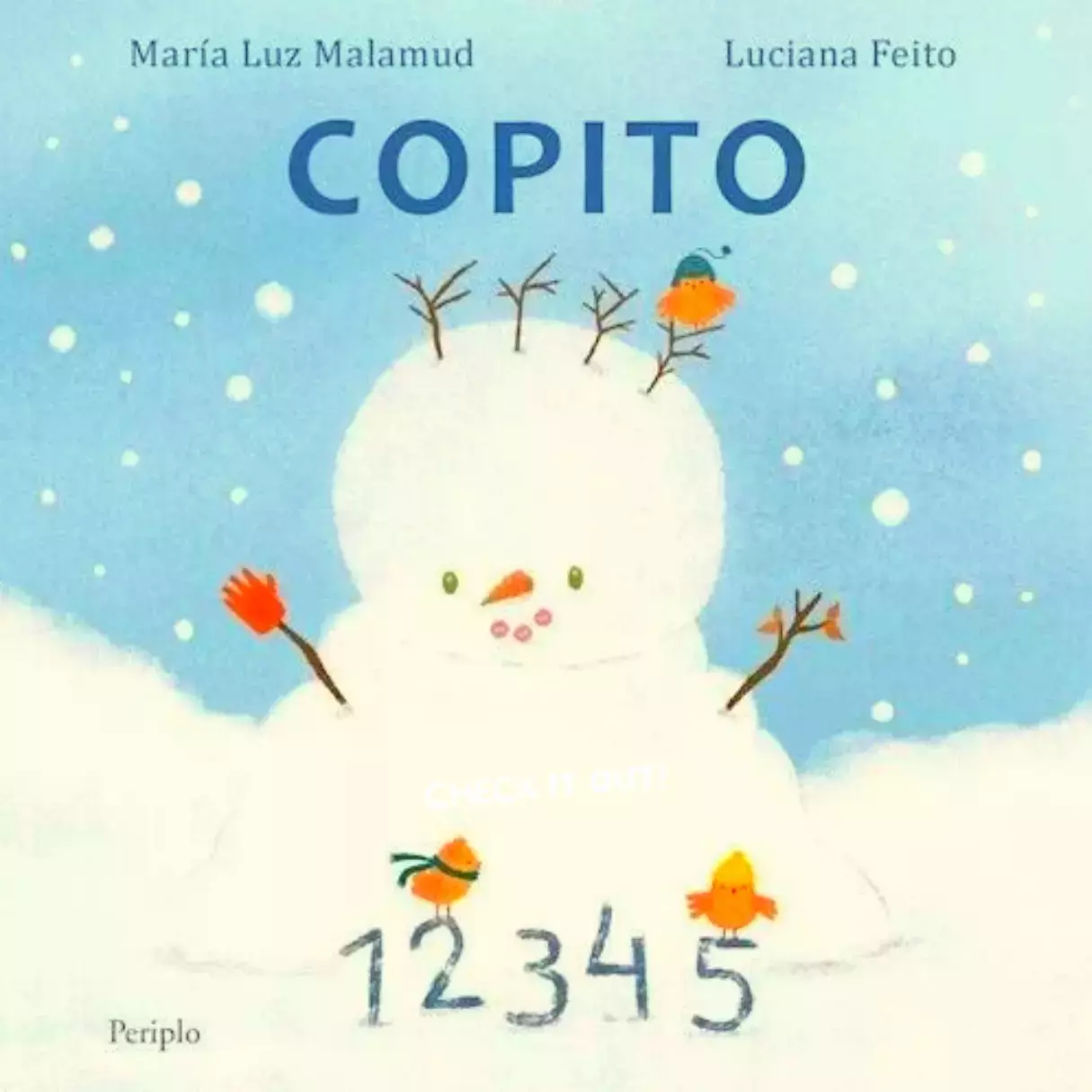
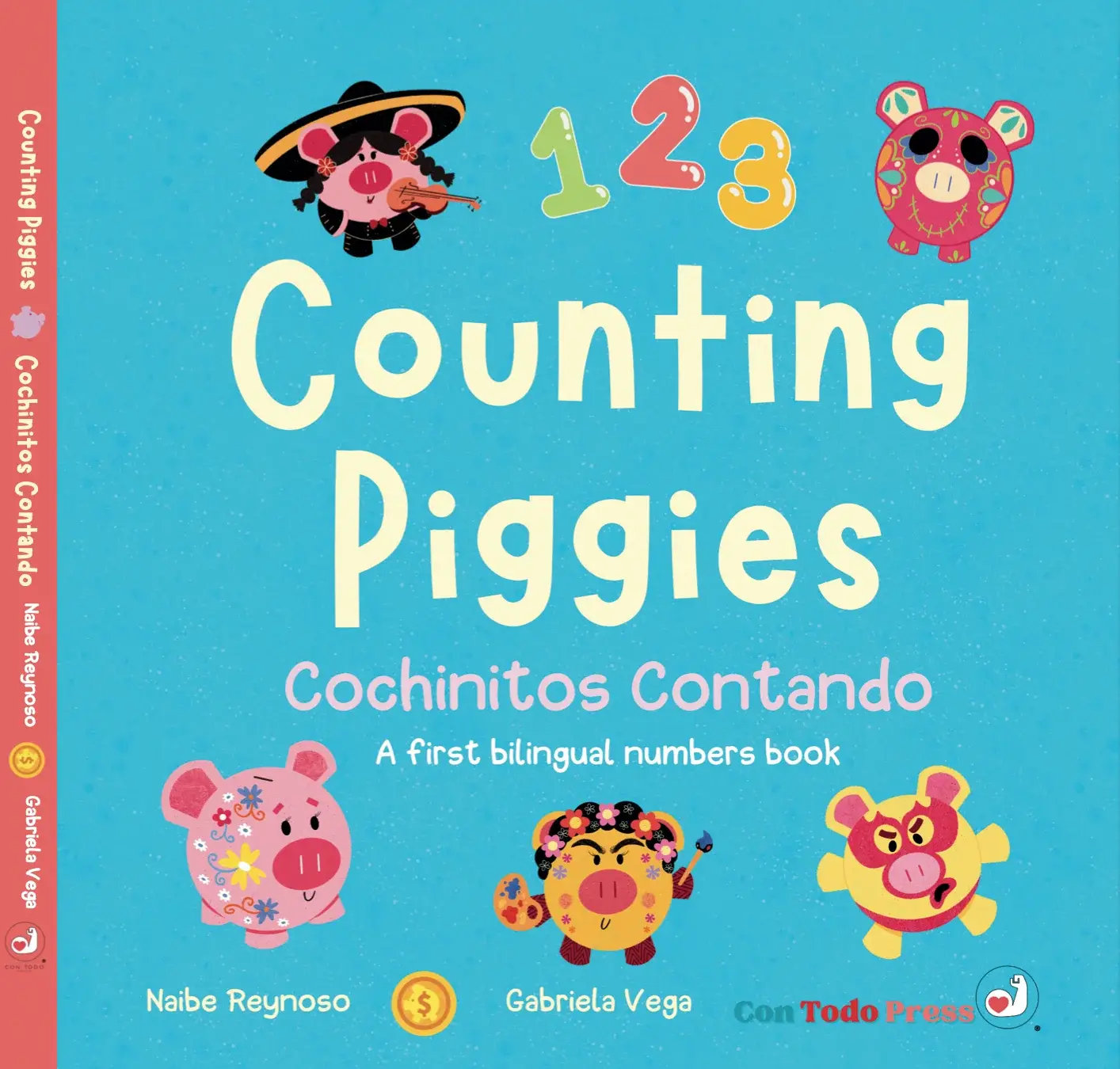
All three have been in past boxes.
Where the missing Spanish hours come from
Which raises the useful question: where do the missing hours come from?
For a lot of families, they won’t come from speaking more Spanish yourself. If that were easy, it would already be happening, and nothing in this research turns on your accent or your verb tenses. It’s about how many hours the language is in the room. The hours get easier to find once you stop trying to generate them all personally.
The car
The car is the most overlooked place to find them. A thirty-minute commute twice a day is five hours a week of otherwise empty time, and Spanish audio turns it into the single largest block most families can add without rearranging anything.
Video calls with relatives
Video calls with relatives count, and they count for more than their length suggests, because your child hears Spanish from someone who isn’t you and who won’t switch to English to help. The winter holidays matter for the same reason. A week with family who speak Spanish can carry more hours than a month of ordinary evenings.
Screen time in Spanish
Screen time in Spanish counts too, when it’s chosen on purpose. The same show your child was going to watch anyway, in Spanish, adds hours that cost you nothing.
Libros, and why they do more
And then there are the libros, which do something the other sources don’t. A conversation happens once. A book your child loves gets read forty times, and every one of those readings puts the same words in front of them again. The threshold idea in Pearson’s paper is about accumulated exposure to language, and a favorite book is the most efficient tool most households have for repeating the same vocabulary over and over. It’s also why a child can suddenly come out with a phrase from a story they’ve heard all month, in just the right moment, out of nowhere.
What matters is that it’s a book your child will reach for on their own, at a level they can meet. A book that sits on the shelf adds nothing, however good it is.
A floor, and how to move it
One more thing about the number. Fifteen hours describes a floor. A family at ten hours isn’t failing, and a family at twenty isn’t finished. The benchmark is useful because it turns a vague worry into something you can count, and anything you can count, you can move.
Count your week once. You’ll probably find you’re closer than you feared on understanding and further than you hoped on speaking, and you’ll know exactly which hours to go looking for.