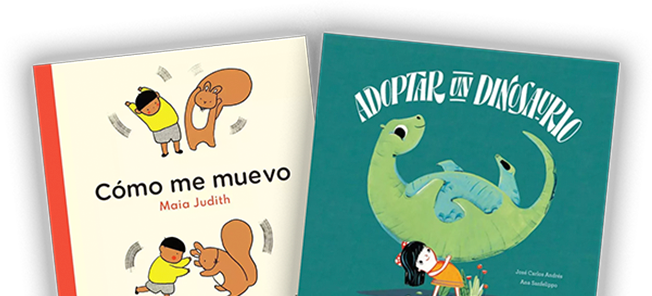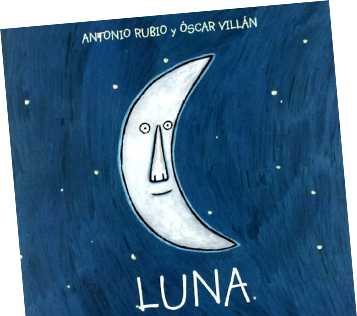
Spanish that came from Spanish speakers carries more than the words. There's a rhythm to it, idioms that arrive without explanation, the sense of a specific place behind the story, and children pick all of that up long before they could tell you what it is. That's what makes a story feel authentic. The trouble is that nothing on a search result or a product page says which stories have it, so in print or in audio, that's the part you're left to sort yourself.
Quick answers
- For something tonight at no cost: The Spanish Experiment, The Fable Cottage, and the OLCreate bilingual collection all offer free Spanish stories read by native speakers.
- Your library is the most underused source. Search the catalog for "Spanish juvenile fiction," ask the youth librarian directly, and use interlibrary loan when your branch comes up short.
- Libby and Hoopla both run on an existing library card and carry Spanish children's ebooks and audiobooks that never appear on a physical shelf.
- Search retailers in Spanish. Typing libro infantil en español instead of "Spanish children's book" surfaces listings from Spanish-language publishers rather than English-market editions.
- A story that began in Spanish carries idiom, rhythm, and cultural detail that came along with it. The fastest tells are the copyright page, the author's background, and the publisher.
- Authenticity isn't only about who wrote it. A familiar story read aloud by a native speaker still gives your child real Spanish, which is why the free audio sites earn a place on this list.
- Five minutes a day attached to something you already do beats a long session once a week.
On this page
- Four routes to a Spanish book tonight
- How to recognize authentic Spanish
- Which format fits which age
- Building the five-minute habit
- Worth bookmarking
- FAQs
Four Routes to a Spanish Book Tonight
Free Stories With Native-Speaker Audio
The quickest win costs nothing and needs no shipping.
- The Spanish Experiment — a handful of classic tales, Los Tres Cerditos and Caperucita Roja among them, read aloud by a native speaker. These are translations of familiar stories rather than Spanish originals, which is exactly why they work when you're starting out: your child already knows the plot, so all their attention goes to the language.
- The Fable Cottage — the same idea with slower narration, useful if your own Spanish is shaky and you want to read along.
- The OLCreate bilingual collection — a curated set of free stories, audiobooks, and podcasts.
- LibriVox — volunteer-read public-domain audiobooks, Spanish included. Quality varies by reader, so sample before you commit to one.
Worth knowing what these are and aren't. They're read-along practice and free listening, and they're excellent at that. They are not a substitute for a shelf your child can reach without asking.
Your Library Card, Used Properly
The most underused source on this list, and the one most parents give up on too early after glancing at a thin Spanish shelf.
Three things that change what a library can do for you:
- Search the catalog, not the shelf. The subject heading is "Spanish juvenile fiction." Searching that surfaces titles held across the system, not just the ones sitting in your branch today.
- Ask the youth librarian directly. Bilingual collections are frequently shelved or tagged in ways that general catalog searches miss entirely. A person who knows the collection will find things a search box won't.
- Use interlibrary loan. If your system doesn't hold a title, another one in the state usually does. Most requests turn around in one to two weeks and cost nothing.
Then there are the apps. Libby and Hoopla both run on a library card you already have, and both carry Spanish-language children's ebooks and audiobooks that have no physical presence in your branch at all. If you've only ever browsed the shelf, you've seen a fraction of what your card reaches.
Search Terms That Change What Comes Back
When you're ready to buy, the search terms do most of the work.
Search in Spanish. Typing libro infantil en español rather than "Spanish children's book" changes what comes back, because it surfaces listings written by and for Spanish-language publishers. Álbum ilustrado is the term for a picture book and is worth adding when you want originals rather than concept books.
Filter by publisher once you find one you like. Presses specializing in Latin American or Spanish children's literature vet language quality far more closely than a general imprint issuing a translated edition, and finding two or three you trust shortcuts the entire process on every future search.
How to Recognize Authentic Spanish
Four things tell you most of what you need to know, and together they take about thirty seconds:
- The copyright page. A translated book will usually say so — "originally published as" followed by an English title. This is the single fastest tell and almost nobody looks.
- A sample page. Does the phrasing sound like something a person would say, or like English wearing Spanish? Read one page aloud. You'll hear it even if your Spanish isn't strong.
- Author and illustrator. Are they from a Spanish-speaking country or community? This isn't a purity test, it's a decent proxy for whose ear the language passed through.
- The publisher. Presses that work primarily in Spanish tend to have editors who read it as a first language, and it shows on the page.
One more if you want bilingual text specifically: check the layout before you buy. Some books run English and Spanish side by side on the same spread; others alternate pages or stack the languages. That difference decides how the book reads aloud, and it's nearly impossible to tell from a product listing.
Origin isn't the only kind of authenticity, either. A familiar tale read aloud by a native speaker hands your child the real thing — the pacing, the vowels, the music of the language — whatever language the story started in. That's why the free audio sites belong here alongside the originals.
And none of this is a knock on translations. Plenty are beautifully done, and some of the best-loved books in any language have traveled well. The checks above aren't a quality test. They tell you what you're holding, which is the one thing a product page never will.
Get libros your child will ask for again & again.
Cancel anytime. We'll swap any book you already own.
Which Format Fits Which Age
Match the format to the age rather than to ambition.
- Ages 0–2 — board books. Repetition, single words, sturdy pages, something to point at and echo.
- Ages 2–5 — picture books. Real narrative and richer vocabulary, with illustrations still carrying the meaning when the words run ahead of your child.
- Early readers. For kids beginning to decode words themselves. Spanish is unusually kind here, since its spelling maps to its sounds far more predictably than English does.
- Chapter books. Plot and dialogue for older readers, and where an author's idiom and wordplay have the most room to show.
If you're weighing the first two against each other, we broke down the real differences in our guide to picture books versus board books.
What you do with the book matters more than which one you picked:
- Echo the repeated phrase. Most Spanish picture books repeat a line for a reason. It's the easiest vocabulary win on the page, and it's usually where a quiet child first joins in.
- Point and name. Say the object in Spanish, then let your child point back. No answer required.
- Pause before the page turn. Ask what happens next. Comprehension builds faster when a child is predicting than when they're only listening.
If reading aloud in Spanish feels like the hard part, that's the most common sticking point we hear and it has a workable answer — our guide to reading aloud in Spanish when you're not fluent covers it, and read-along audio carries the pronunciation while you carry the story.
Building the Five-Minute Habit
A habit sticks when it's bolted to something you already never skip, and falls apart when it's treated as an additional task.
Bedtime is the obvious anchor, but breakfast or right after the bath works the same way. Our five-step Spanish bedtime routine is one version that takes about ten minutes; five is fine if that's what the evening allows.
Two things that make it easier to keep:
- Keep a small rotating stack. Three or four books within reach, not a whole shelf to sort through. Fewer choices means less stalling and more reading.
- Let your child pick from the stack. Choosing builds ownership, and a child who picked the book stays with it longer than one handed a book by an adult.
Don't wait for good pronunciation or a quiet house. A tired, imperfect reading of a book you've read forty times still counts, and the Head Start home-language series makes the same case from the research side: keeping the home language present supports both language development and a child's sense of who they are.
And if your child listens happily in Spanish but answers you in English, that's its own well-documented phase rather than a sign the reading isn't working. We covered what to do when your child won't speak Spanish separately.
Worth Bookmarking
- Colorín Colorado's bilingual booklist — thirty-three English-Spanish titles for young children with age ranges and short descriptions. A discovery list rather than a curriculum, and a good one. Note that it covers bilingual books broadly, originals and translations both, so bring the checklist above.
- Head Start's Importance of Home Language series — free handouts from the Office of Head Start, written for families as well as educators, on why maintaining the home language matters.
- Your library system's catalog and its Libby or Hoopla integration. Not a link we can give you, and probably the highest-value item here.
One note if you go looking further: First Book's marketplace comes up often in lists like this one and carries several hundred Spanish and bilingual titles at well below retail, but it is not open to the general public. It serves educators and program leaders working with children in need. If that's you, it's worth the membership check. If you're a parent shopping for your own kids, you can't buy there.
FAQs
Where can I find free Spanish children's books online?
The Spanish Experiment and The Fable Cottage both host classic stories in Spanish read by native speakers at no cost. The OLCreate bilingual collection gathers free stories, audiobooks, and podcasts, and LibriVox carries volunteer-read public-domain audiobooks in Spanish. Beyond those, Libby and Hoopla give you Spanish children's ebooks and audiobooks through a library card you already have.
What Spanish books should we start with?
Start with stories your child already knows in English. Familiar plot means their attention goes to the language rather than to what happens next. After that, follow what they ask for twice — a book a child requests again is doing more than a more impressive book they sat through once.
What type of book works best for learning Spanish?
Story books, not teaching books. A narrative with characters and a plot delivers vocabulary in context and gives a child a reason to want the next page. Books built to instruct — label the colors, count the animals — tend to read like worksheets and get put down, which makes them worse at the job even when the vocabulary list is longer.
Are translated Spanish books worth buying?
Often, yes, and plenty are beautifully done. It depends what you're after. If you want your child hearing Spanish the way Spanish speakers write it, look for originals. If you want a story your child already loves in a language they're learning, a well-made translation does that job and does it well. Check the copyright page, read a page aloud, and decide from there.
Where can I find secondhand Spanish children's books?
Used bookstores, library sales, and community swaps all turn over Spanish titles regularly, and online secondhand marketplaces carry them too. Two cautions: check the edition date, since older translated copies sometimes read awkwardly, and sample a few pages when the listing allows it.
What if I don't speak Spanish well enough to read aloud?
You read it anyway. The book supplies vocabulary and sentence structure well beyond what any parent produces in conversation, native speaker or not, so opening it hands your child language you couldn't have generated yourself. Read-along audio covers pronunciation while you handle the story and the closeness, which is the part no recording does.
Or Skip the Search Entirely
Everything above works. It also takes time every single month: comparing editions, checking publishers, hunting for something age-appropriate that will actually hold your kid's attention.
That's the job we do. Each month we send a curated box of Spanish and bilingual libros for children ages 0 to 8, sourced from publishers around the world rather than whatever a general bookstore happens to stock, vetted for authentic language, and matched to your child's age.