If you want your baby or toddler to grow up speaking Spanish, nursery rhymes are one of the easiest things you can do together, and quite possibly the most useful. Two minutes, no preparation, and — the part that matters if your own Spanish is shaky — you can do them badly and they still work.
Why they do so much: rhyme trains a child's ear to hear the separate sounds inside a word. That's the same skill they'll need when they start to read, and it works in Spanish exactly the way it works in English. It also starts long before your child can say a word back to you.
Quick answers
- Start at birth. Babies pick up the beat of a language months before they pick up its sounds, and nothing has a steadier beat than a nursery rhyme.
- Kids who know their rhymes at three tend to be the stronger readers and spellers at six.
- For ages 0–2, look for board books with one short rhyming phrase per page and a strong beat. Skip dense text.
- For ages 2–4, look for a refrain or chant the child can fill in. Predictability is the feature.
- Around five, rhyme starts giving way to story. Collections that mix rhymes with fairy tales bridge the two.
- Read a page aloud before you buy. If a translation lost the rhythm, you'll feel it trip in your own mouth.
- You don't need to be fluent. Parents given bilingual books end up using more Spanish at storytime, not less English.
On this page
- Why rhymes do so much
- How to choose by age
- What belongs on a starter shelf
- Eight rhyme books we keep coming back to
- Read-aloud routines that make rhymes stick
- FAQs
Why Rhymes Do So Much
A child who knows nursery rhymes at three reads better at six. Researchers followed 64 children from age three to six, and the ones who knew their rhymes early were the ones reading and spelling best three years on. It held up even after they accounted for the obvious explanations — how bright the children were, what kind of home they came from.
It's the rhyme doing it. A child who can feel the end of a line coming has started hearing the separate sounds inside words, and that's the skill they'll lean on the day they sit down to read one. The study was done in English, but nothing about that is particular to English — and Spanish is friendlier here than most, since its letters behave themselves far more reliably.
Babies Learn the Beat First
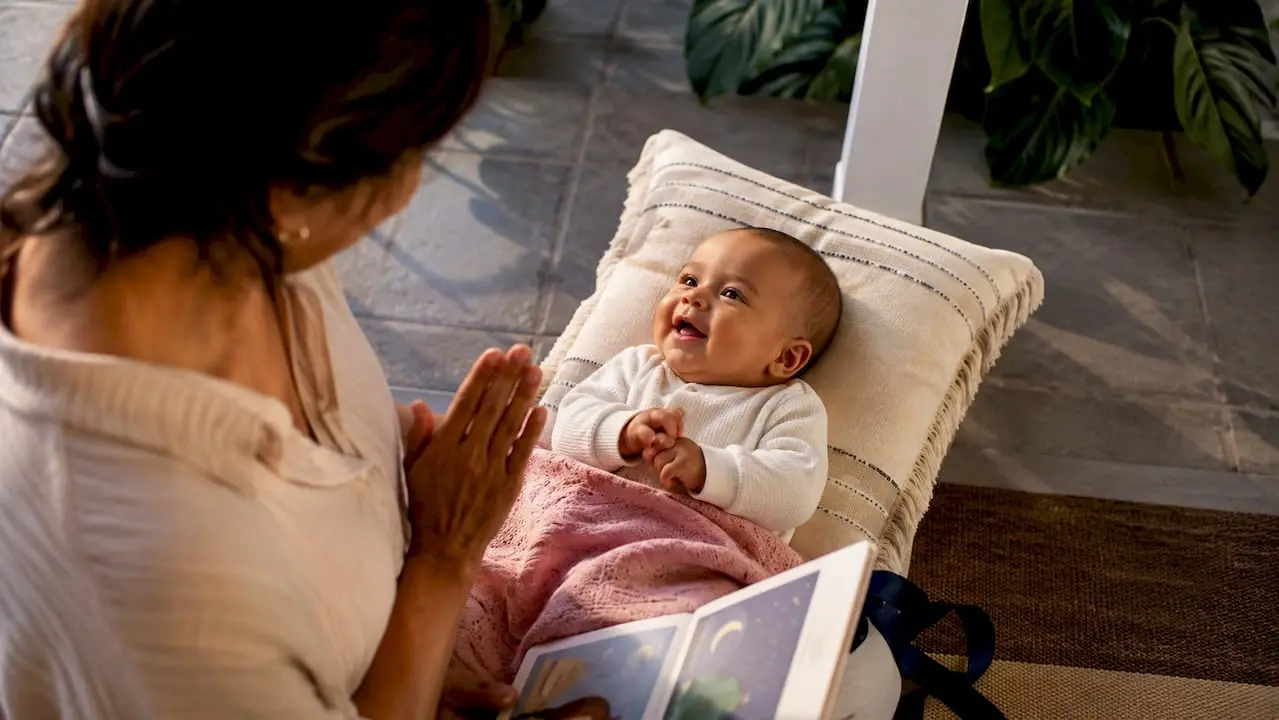
Long before a baby can make sense of the words, something else is going in. Researchers at Cambridge and Trinity College Dublin measured brain activity in fifty babies at four, seven, and eleven months old while they watched someone sing nursery rhymes to them. The babies weren't picking out individual sounds until around seven months. What they were catching, from the very start, was the beat.
Babies learn the beat first and hang the words on it afterward. Which means the board book you're bouncing through with a six-month-old is doing something, even though nothing is coming back. Goswami's advice to parents was about as simple as advice gets: sing and talk to them as much as you possibly can.
Your Spanish Doesn't Have to Be Good
If your own Spanish is the thing holding you back, this is the part to read twice. A 2025 study put bilingual books in parents' hands and watched what happened at storytime. They used more Spanish. They reached for more words. And none of it came at the expense of English.
The book brings Spanish you wouldn't have come up with on your own. That's the whole job it's there to do.
How to Choose by Age
What you want from a rhyme book changes fast in the first five years.
Ages 0 to 2
One short line per page, a beat you can bounce to, and pages thick enough to survive being chewed. Skip anything wordy. Your baby isn't following a story yet — they're following the sound of you, and the book is going in their mouth regardless.
Ages 2 to 4
Anything with a chorus. A line that comes back around, a rhyme they can see coming, a refrain they get to shout. Toddlers love being right, and a book that lets them call out the next word is a book you'll be reading until you can recite it. Flaps, sliders, and textures buy you a few more seconds a page.
This is also where a lot of children say their first Spanish word out loud. It's almost always the one at the end of a line they've heard forty times.
When They Outgrow Nursery Rhymes
Somewhere around five, most children start asking for a story where they used to ask for a song. Rhyme doesn't stop mattering. It just moves — into rhyming picture books, early readers, and the sounding-out stage where all that ear training finally pays off.
Collections that mix rhymes in with fairy tales make that handover easy — the verses they know stay put while the stories around them get longer. Our guide to choosing Spanish books for kindergarten picks up from there.
Get libros your child will ask for again & again.
Cancel anytime. We'll swap any book you already own.
What Belongs on a Starter Shelf
A shelf works better with some variety on it. Five kinds of book, each earning its place a different way:
- Traditional rhyme collections. The verses that got handed down. Best rhythm of anything on the shelf, and the ones a grandparent can join in on without being asked.
- Bilingual collections. Both languages on the page, which helps you as much as it helps your child.
- Lullaby books. Slower, quieter, made for the end of the day. These are the ones that leave Spanish feeling like comfort.
- Interactive board books. Textures, flaps, sliders, sound. With a baby or young toddler, something to touch is what buys you a second reading.
- Decodable readers. For once they start sounding words out. These are practice rather than pleasure, which is fine — they're doing a different job, and there's room for both.
Many of these come from small presses in Latin America and Spain. Our guide to where to find authentic Spanish children's books has the search terms and sources, if you feel like going looking.
Eight Rhyme Books We Keep Coming Back To
One publisher to know before the list starts: Editorial Amanuta, in Chile. They do traditional songs as board books better than most, and they're the first place we look for this kind of reading. Three of theirs open the list, and there are more where those came from.
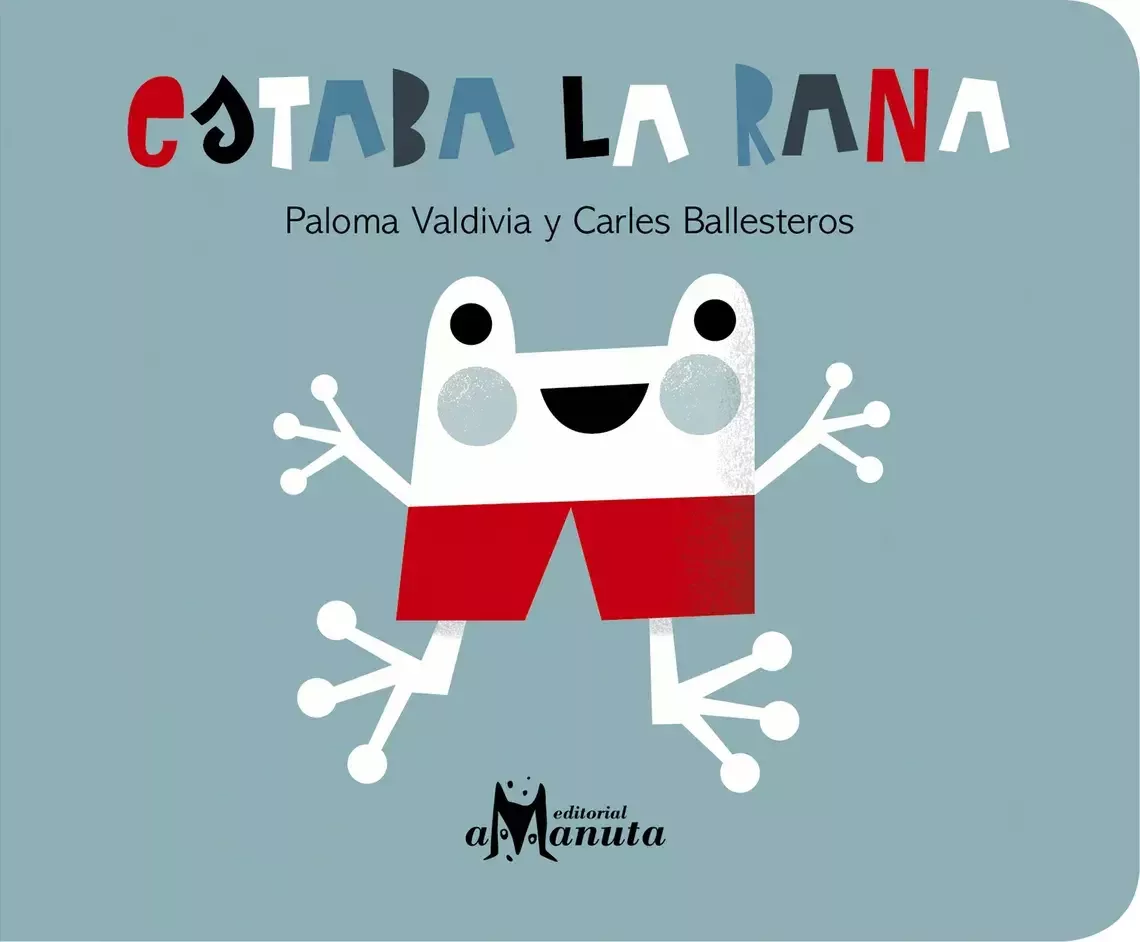
Estaba la rana
Paloma Valdivia & Carles Ballesteros · Editorial Amanuta · board book
A variation on the popular song Estaba la rana debajo del agua, built so children can pick up the tune and memorize it. The rhythm does the teaching, and the book is small enough for the hands it's meant for.
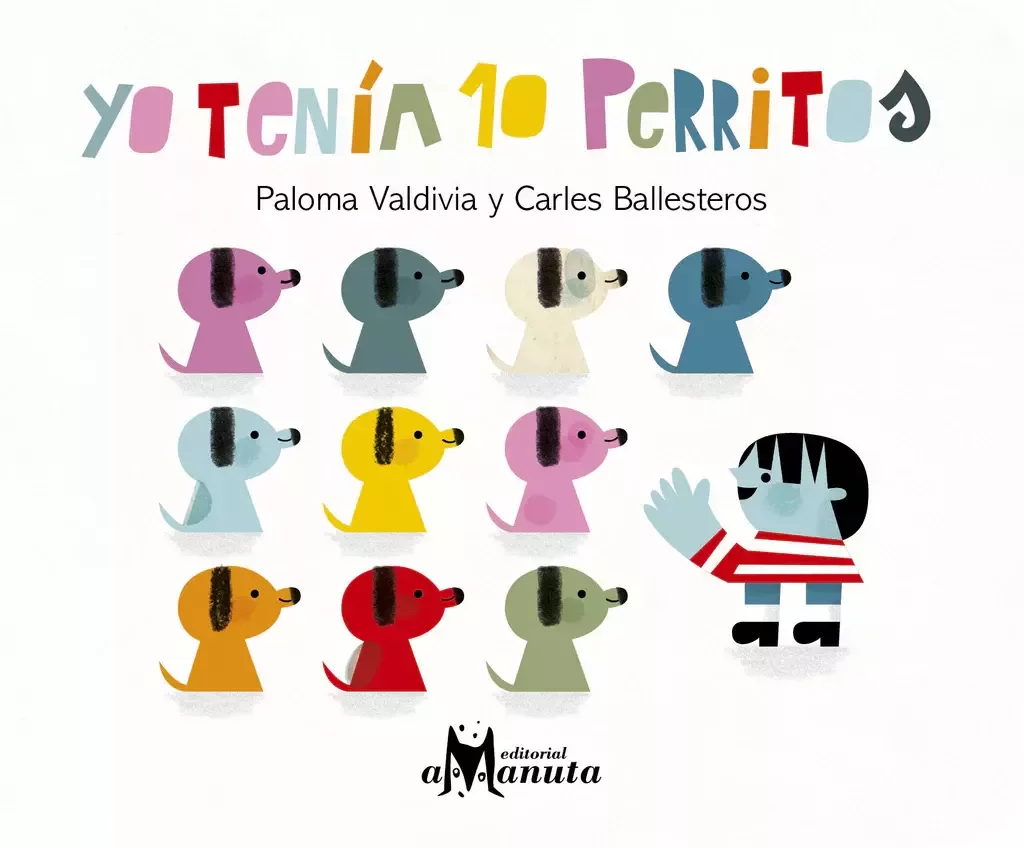
Yo tenía 10 perritos
Paloma Valdivia & Carles Ballesteros · Editorial Amanuta · board book
The counting song, which means it does two jobs at once — one to ten in Spanish, plus colors and shapes along the way. Worth having beside Estaba la rana rather than instead of it, since a child who knows one will take to the other.
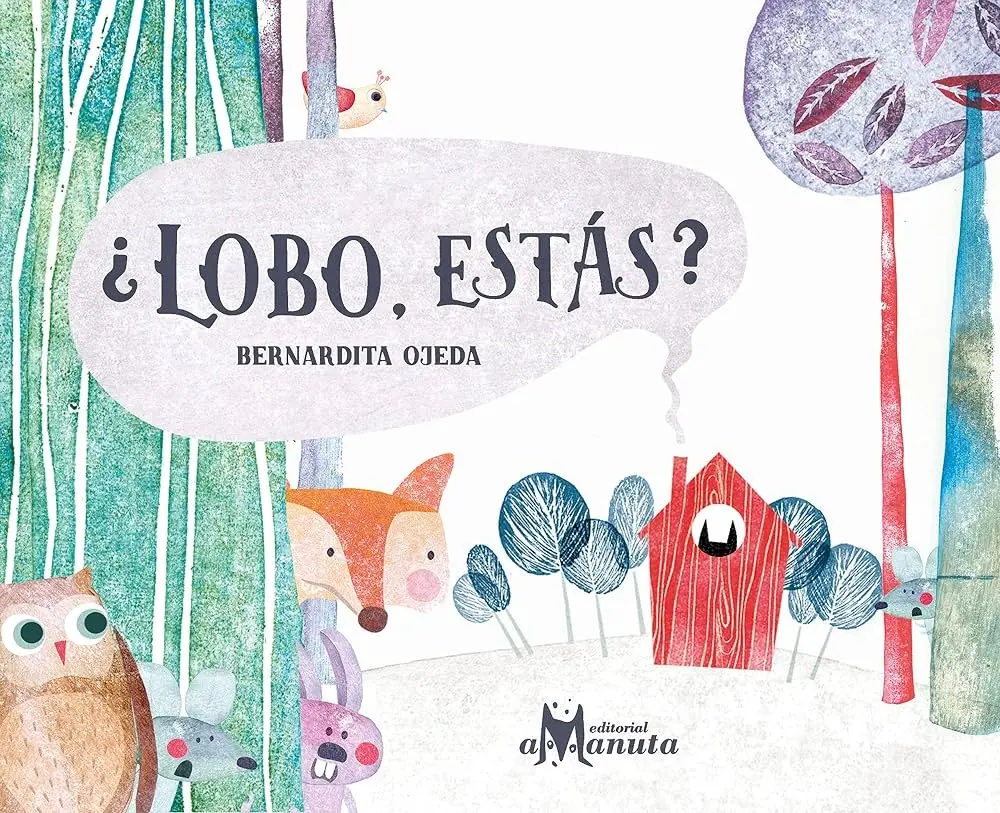
Lobo, ¿estás?
Elodie Fondacci & Laurent Richard · Editorial Amanuta · board book
Based on a classic children's rhyme, this one turns the page into a call-and-response game as a series of animals go looking for the elusive wolf. Each spread brings a new animal and a repetition built for re-reading. The structure hands your child a speaking part without ever asking them for one, which is why it works on the children who won't answer a direct question.
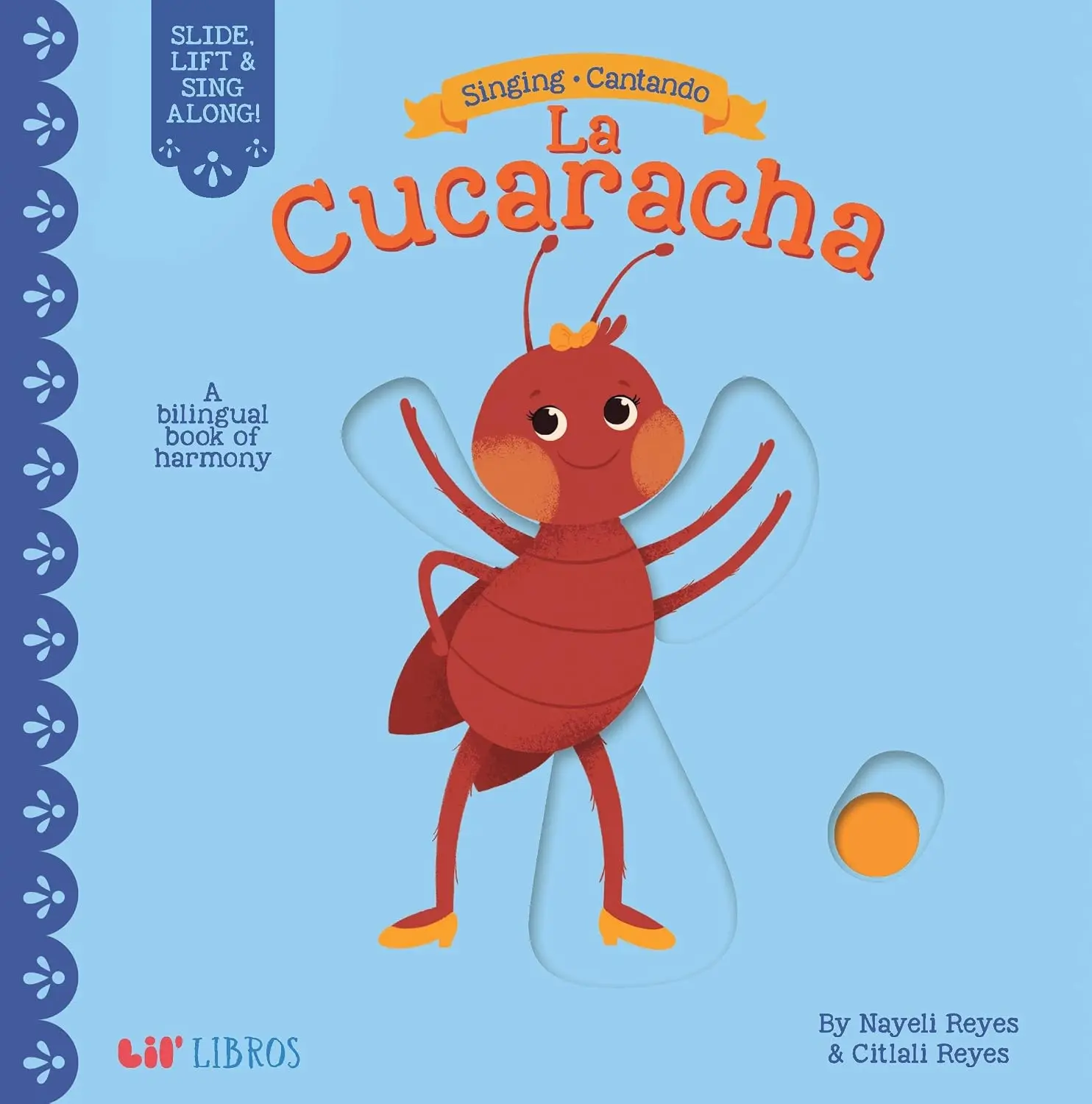
Singing / Cantando: La Cucaracha
Lil' Libros · bilingual board book
Slide, lift, and sing along with the classic Mexican-American rhyme, in English and in Spanish. Scan the QR code at the back to hear the melody, then sing it all over again. The second in Lil' Libros' Singing / Cantando series, and a good pick for little ones who can't sit still.
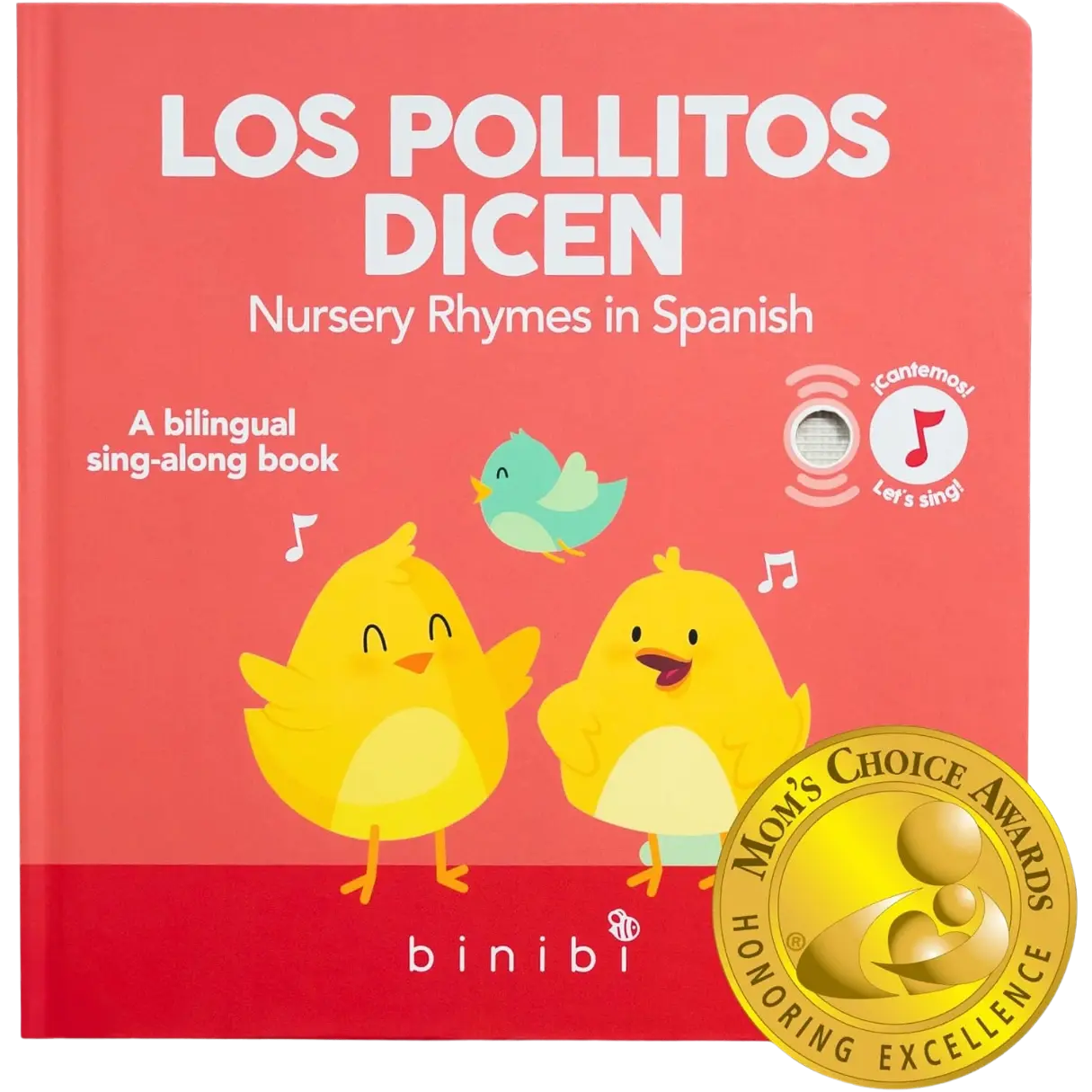
Los Pollitos Dicen
Binibi · bilingual sound book
Five classic Spanish rhymes with a press-the-page speaker, bilingual lyrics, and — the part that sets it apart — a phonetic pronunciation guide written for caregivers who don't speak Spanish. If you've ever stalled halfway through a verse because you weren't sure how a word lands, that guide is the whole reason to pick this one.
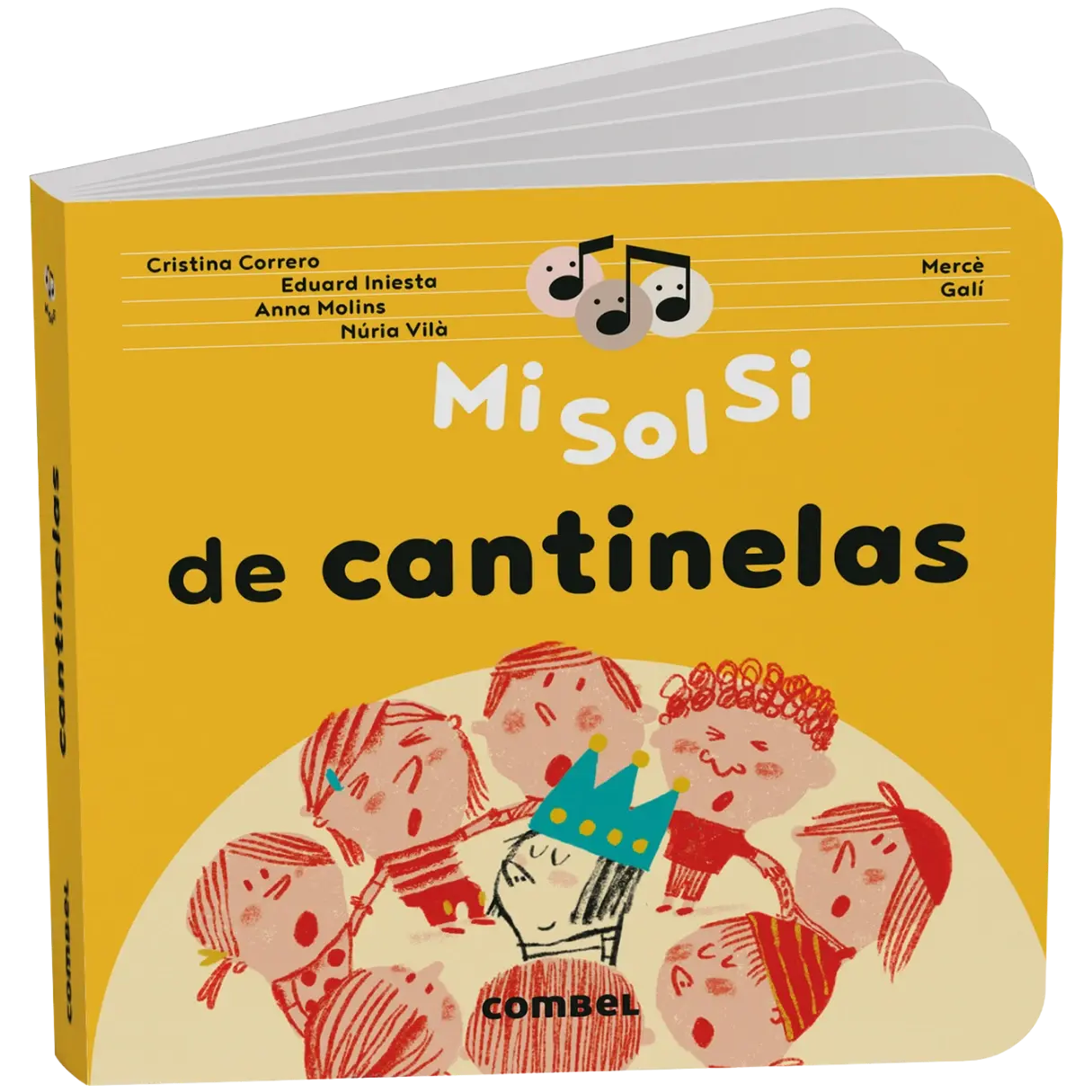
Mi Sol Si de cantinelas
Illustrated by Mercè Galí · Combel · board book
A collection of well-known songs to sing, soothe, and play with across the day, each one carrying a QR code that plays the music. No batteries, no speaker, no switch to break — the audio lives on your phone and the book stays a book. It comes out of Spain, put together by a team that includes a retired professor of language didactics and a musicologist, and it shows in which songs made the cut.
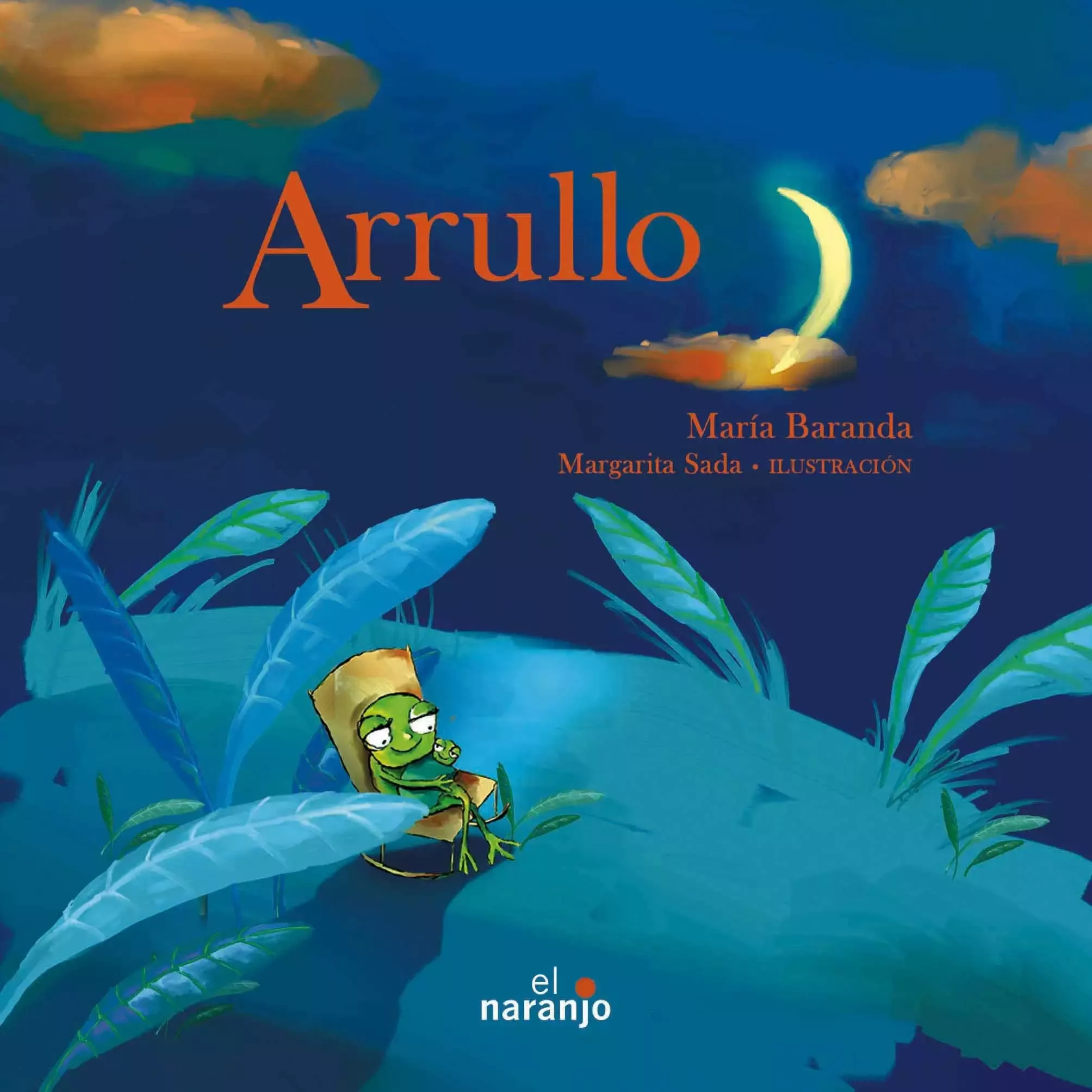
Arrullo
María Baranda, illustrated by Margarita Sada · Ediciones El Naranjo · board book
The gentlest book on this list, and the one contemporary entry — written rather than inherited. It moves from the sound of cicadas through the lullabies of whales to los apapachos de mamá, on the premise that the expressions of maternal love are universal and every creature sings its young to sleep. The text runs on rhyme and repetition, which is what makes it hold up to the fortieth reading at bedtime. It's on its fifth printing, which tells you how many families have worn one out.
Cuentos para niñas y niños de 5 años
Parragon Books · picture book
Eight cuentos y fábulas in one sturdy collectible volume — Rumpelstiltskin, Thumbelina, and Pinocchio alongside newer stories and rhymes. A five-year-old who has worn out their rhyme collection gets to keep the verses while the stories around them get longer, which is exactly the transition that trips families up.
Read-Aloud Routines That Make Rhymes Stick
The book matters less than what the two of you do with it. Five habits worth building:
- Sing it before you explain it. Give them the verse in its natural sing-song first. The tune lands before the meaning does, and the tune is the part doing the work.
- Move with it. Clap the beat, bounce on the rhyme, act the whole thing out. A rhyme sticks faster when a body is doing it, and nobody has to sit still.
- Resist translating every line. An English word here and there is fine. Saying everything twice just teaches them to tune out the Spanish and wait for the version they already understand.
- Cover the English with your thumb. Low-tech, and it stops both of you jumping to the easy column.
- Stop before the rhyme and wait. Read the line, pause, let the silence sit. That gap is where a quiet child most often says their first Spanish word out loud.
Pinning it to the same moment every day does more than making the sessions longer. Our five-step Spanish bedtime routine takes about ten minutes, and rhyme books slot into it neatly.
If reading aloud in Spanish is the part that makes you nervous, our guide to reading aloud when you're not fluent walks through it. Rhyme is the gentlest place to start — the meter tells you where the stresses go, so the book is half-coaching you.
FAQs
At what age should I start reading Spanish nursery rhymes?
At birth. Babies catch the beat of a language months before they catch its sounds, and a nursery rhyme has the steadiest beat they'll hear all day. A newborn who gives you nothing back is still taking it in.
How do I know if a bilingual rhyme book has a bad translation?
Read a page out loud. A rhyme that came through translation intact still scans; one that didn't goes flat, loses its beat, or quietly stops rhyming. You'll feel it trip in your own mouth even if your Spanish is shaky. Books made by Spanish-speaking authors and illustrators tend to keep their music better.
Does this work if I'm not fluent?
Yes, and there's research on exactly this. Parents handed bilingual books used more Spanish at storytime and reached for more words, with no drop in English. The book brings the Spanish; you bring the voice and the lap.
Which Spanish nursery rhymes should we start with?
Whichever ones have the best beat and something to act out. Los pollitos dicen, Un elefante se balanceaba, Pin pon, La cucaracha, and Arroz con leche turn up everywhere in the Spanish-speaking world, which means a grandparent or a neighbor will probably know them too.
Will rhymes in two languages confuse my child?
No. Children sort two languages out earlier and more easily than adults expect them to. The thing that does cause trouble is translating every line, which teaches them the Spanish is something to sit through before the real version shows up.
Rhyme Books, Chosen for You
Tracking down rhyme books that kept their music, or never needed translating in the first place, takes more evenings than most families have spare. That's our job. Every month we send a box of Spanish and bilingual libros picked for your child's age, from publishers around the world rather than whatever the local shelf happens to hold.