Every bilingual family has this moment. Your child's Spanish starts to sound different from yours — more confident, more natural, maybe even more fluent. What happens next is more complicated, and more beautiful, than you'd expect.
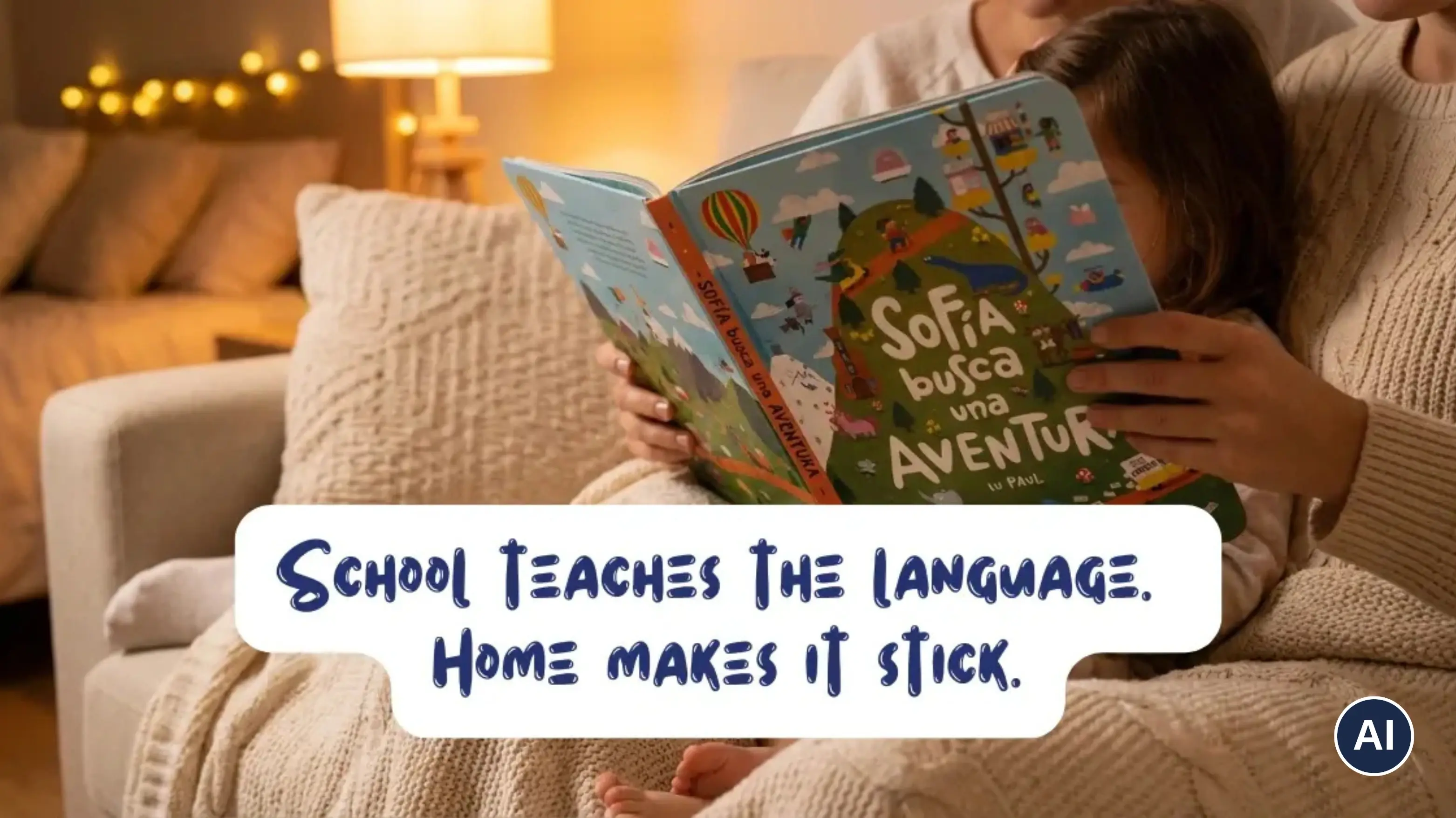
If you're not a native speaker, you might be doing more than you think. If you are, there's one thing the research says you might be overlooking. What the science of bilingual development reveals about every family's hidden advantage.
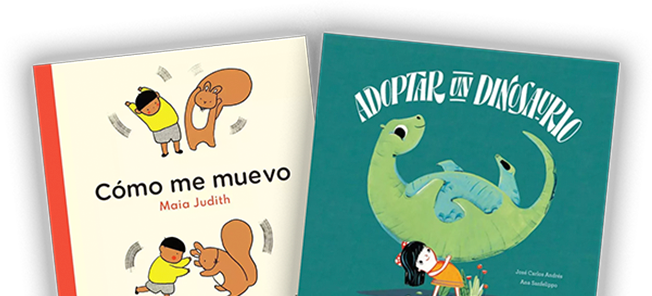
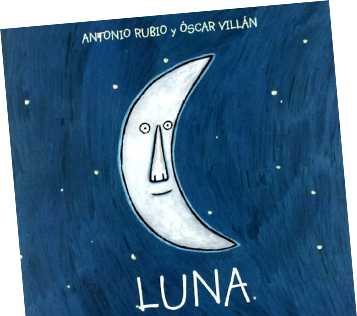
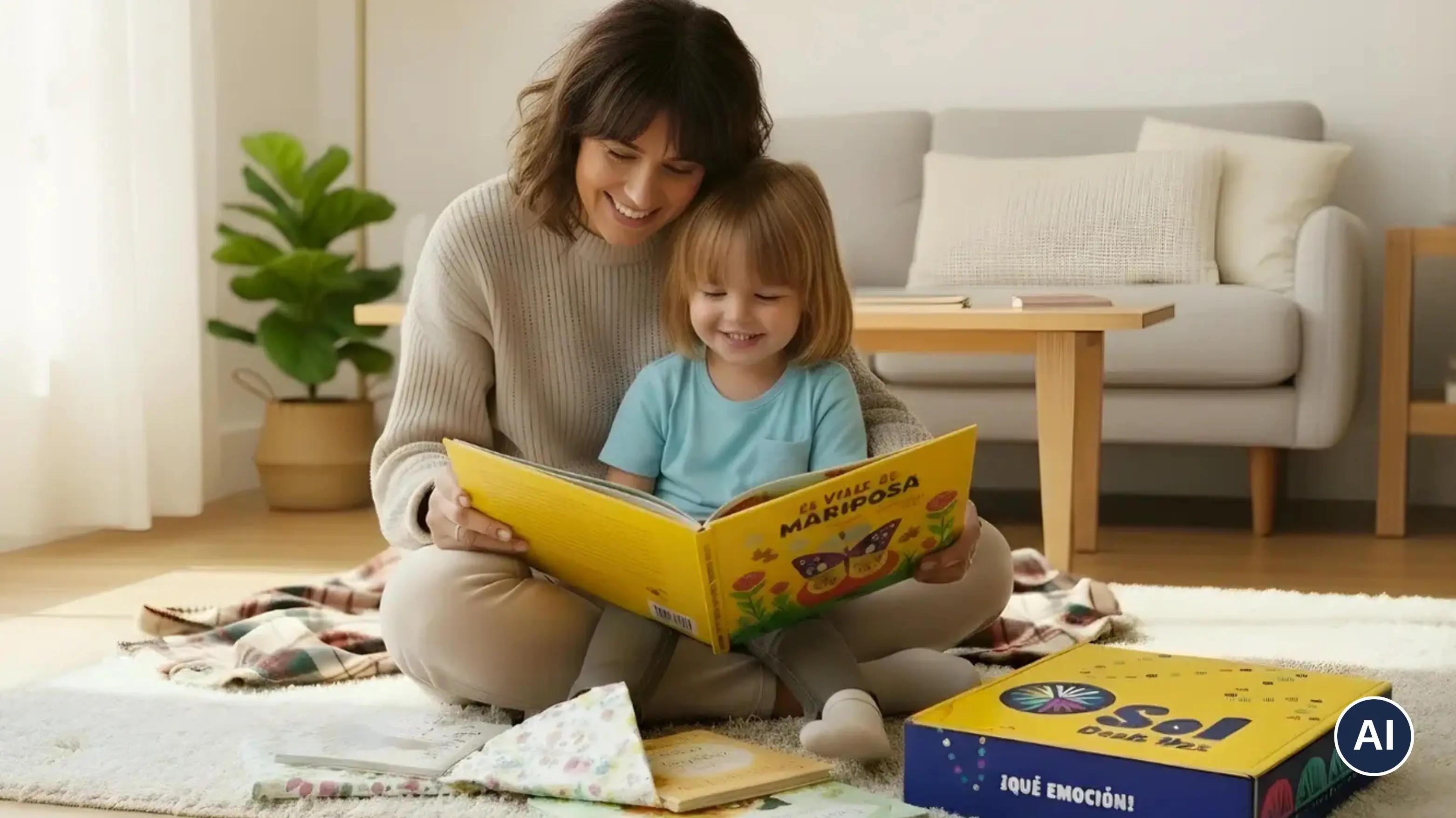
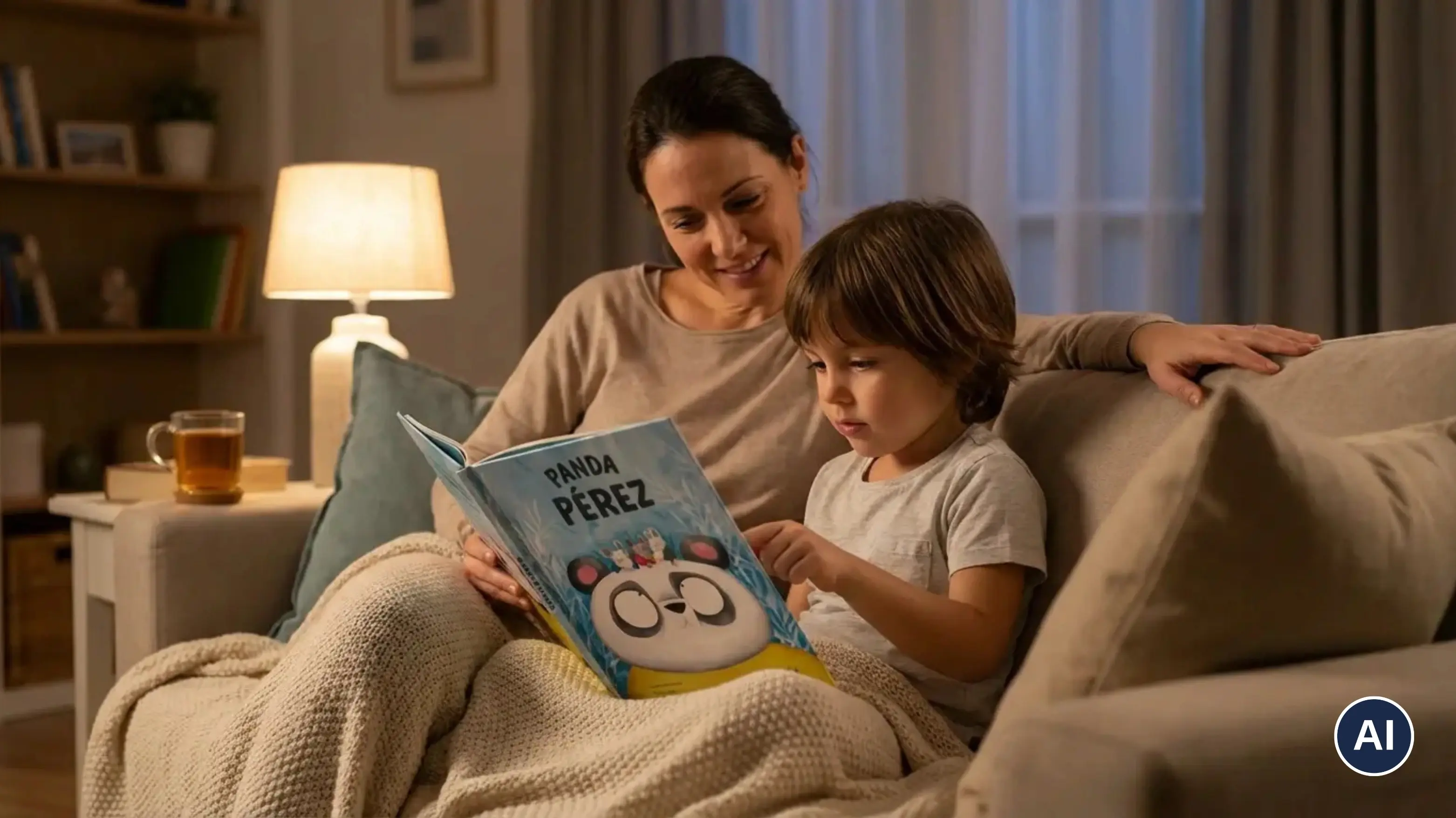
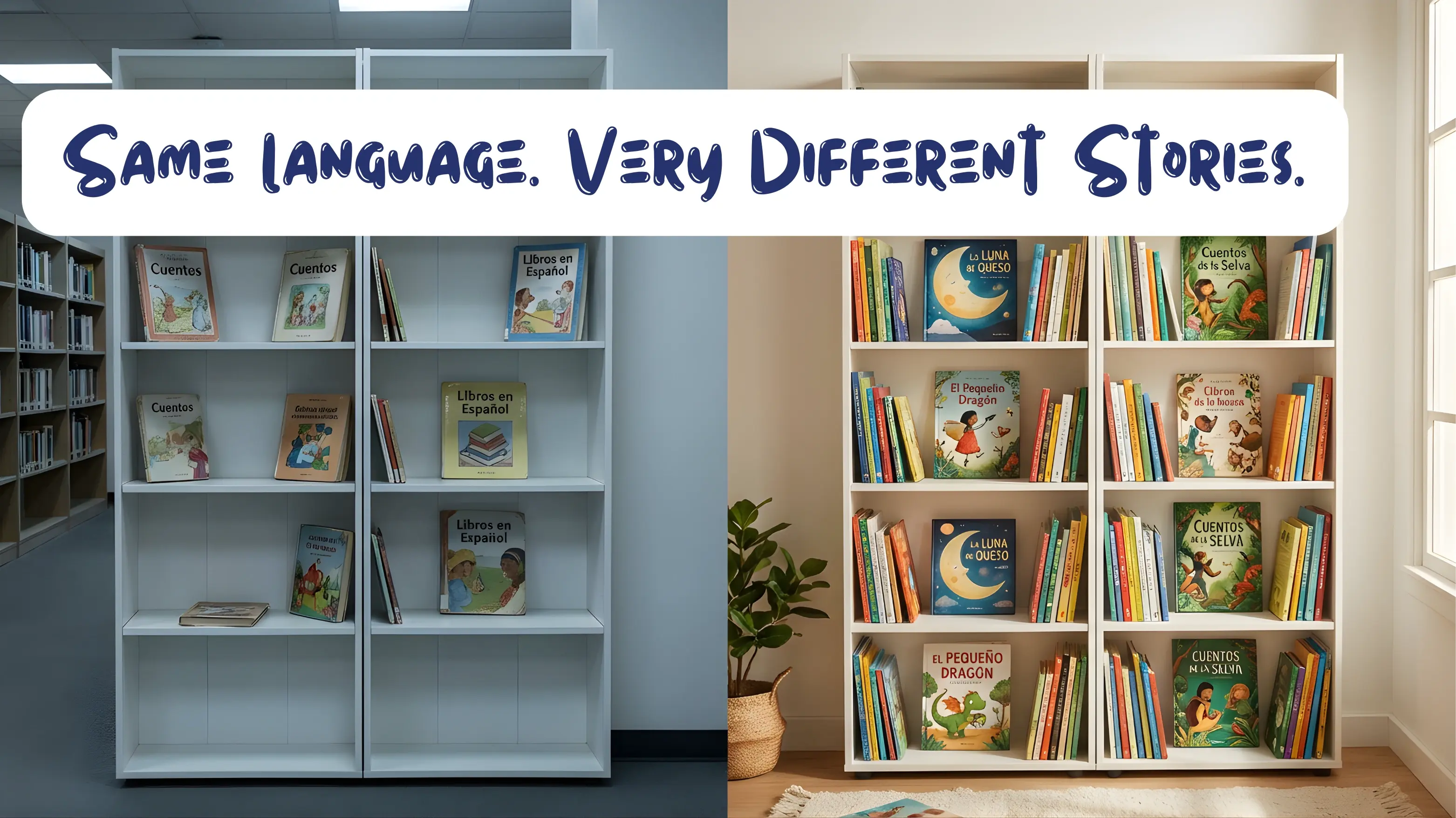
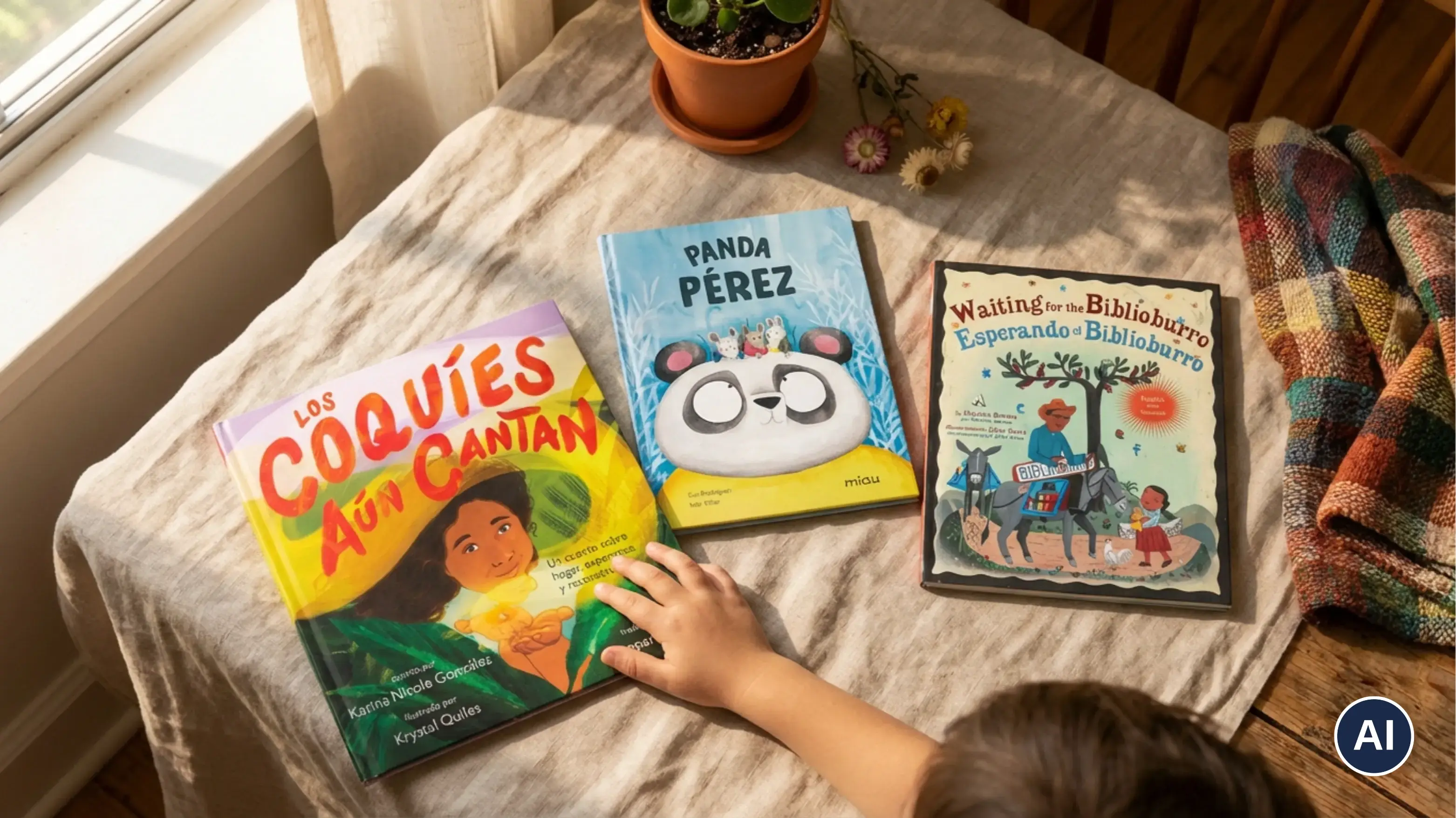
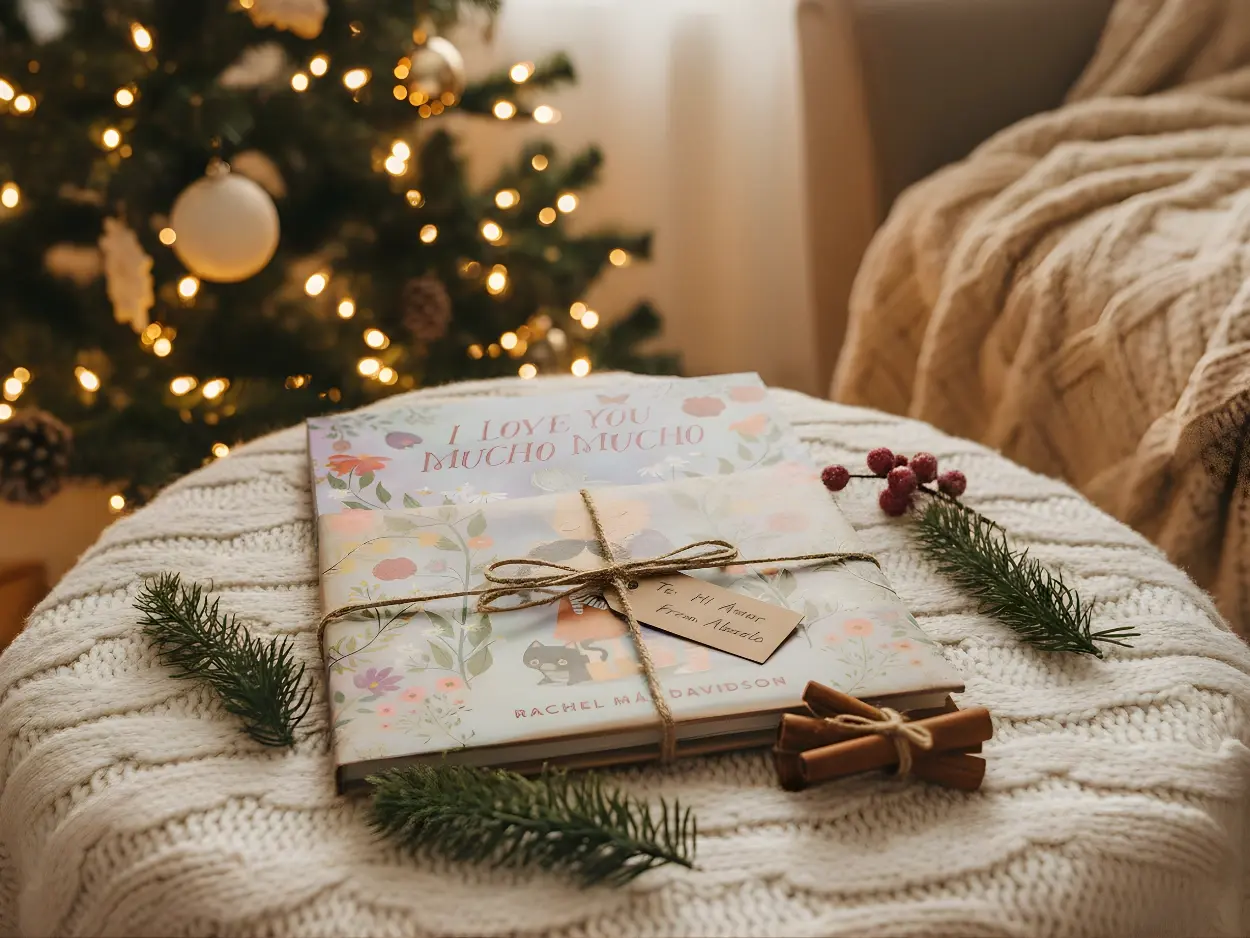
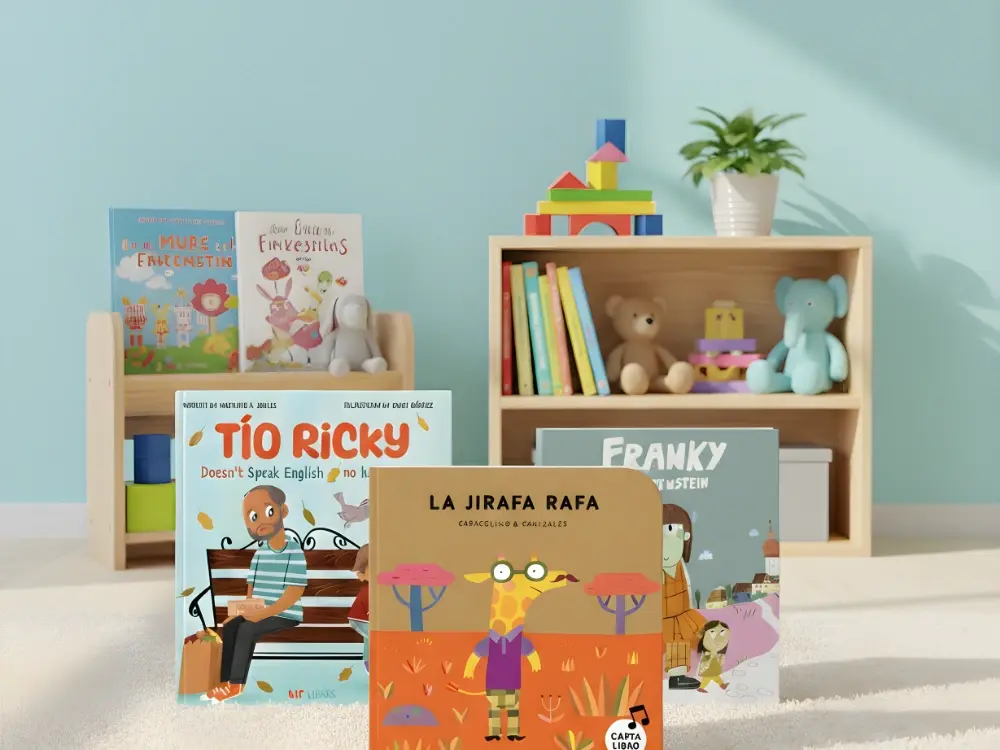
Remember when you were little and how certain children’s books transported you to a whole new world and made your imagination run wild? What an incredible feeling! Giving that feeling to a child of your own is a true gift. But you need the right books! Here's what we look for.
Your child follows Spanish instructions, laughs at the right moments in a Spanish book, and answers you in English every time. That gap has a name and a well-documented pattern behind it. Here's what the silent period actually is, how long it tends to last, the five things that move it along, and the four that quietly set it back.

Parents often think raising a bilingual child takes hours of study or strict routines. But here’s the truth: even one minute a day of reading en español adds up to over 8,000 words a year. That small habit can give your child a powerful head start. Here's how: